Ever find yourself scratching your head wondering when exactly to set back your clocks in Fall 2027? You’re not alone. Every autumn, millions of people face the ritual of adjusting time, but few really grasp the timeline and the logic behind it. So let’s cut through the clutter and break it down for the upcoming 2027 fall time change.
When is the Time Change in Fall 2027?
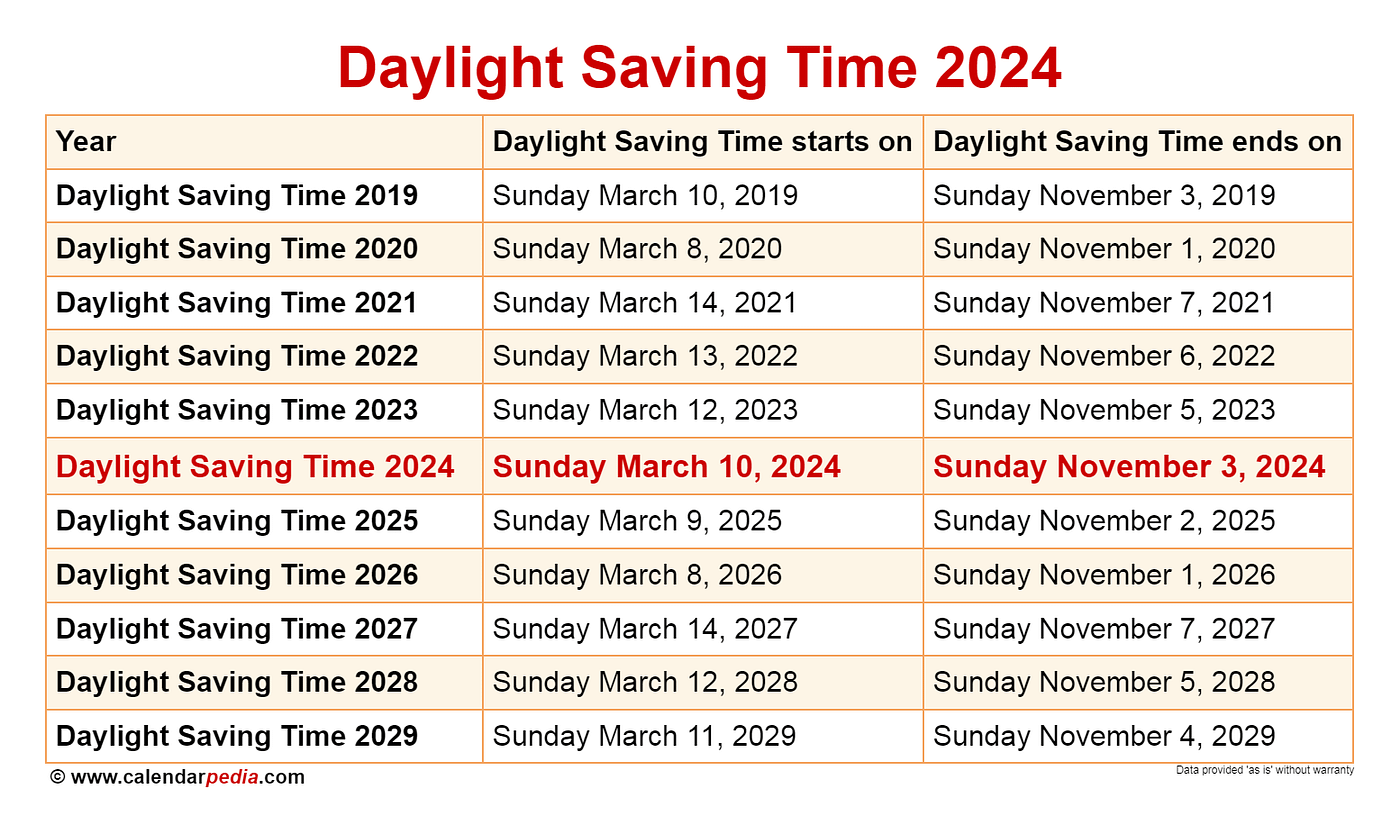
Mark your calendars for Sunday, November 7, 2027. That’s when most of the United States will turn their clocks back one hour at 2 a.m. local daylight time, transitioning from Daylight Saving Time (DST) back to standard time. This one-hour rewind grants you an extra hour of sleep. How glorious!
Key Dates in 2027 Time Change
| Event | Date | Time |
|---|---|---|
| Start of Daylight Saving Time (Spring Forward) | March 14, 2027 | 2:00 a.m. local standard time |
| End of Daylight Saving Time (Fall Back) | November 7, 2027 | 2:00 a.m. local daylight time |
Why Do We Change the Clock at All?
People love to moan about losing or gaining an hour, but the origin story is surprisingly practical (and a bit controversial). The concept of Daylight Saving Time is designed to make better use of daylight during the longer days of summer. By shifting clocks forward in spring, evenings have more daylight. In fall, flipping back means mornings get brighter earlier.
It’s like borrowing daylight from the morning to stretch your evenings—until you pay it back in the colder months. This system was broadly adopted during World War I and II for conserving fuel but stuck around due to arguments over energy savings, work efficiency, and even crime reduction.

Source: bigfrog104.com
If you’re curious about why the U.S. still does this, the explained rationale from USAFacts gives a clear picture of the ongoing debates and benefits tied to DST.
What Changes for You in Fall 2027?
- Your smartphone probably updates automatically, but your old analog clocks? They demand a manual nudge backward.
- Night owls might curse losing that late-sunset magic, but early risers will welcome the brightened mornings.
- Businesses synced across time zones must double-check scheduling to avoid confusion when everyone else sets their watches an hour back.
- Travelers, especially those hopping international borders, should keep an eye on local time changes; some places do not observe DST, or observe it on different dates, creating temporary time-zone chaos—check out the Webexhibits guide on when and why clocks change for a detailed look.
- A quick fact: the National Institute of Standards and Technology (NIST DST rules) manages the official timing standards in the U.S., so their info is where you want to land for policy details.
Does Every State Observe Daylight Saving Time?
Nope! Not all corners of the country dive into this twice-a-year clock shuffle. For example, Hawaii and most of Arizona opt out, sticking to standard time year-round. They avoid the headaches of the change altogether.
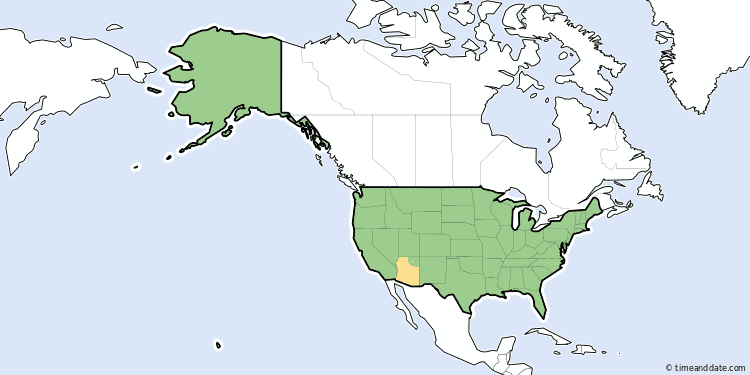
Source: www.timeanddate.com
Those who do observe it face the challenge of syncing technologies, transportation, and communications every spring and fall. The Wikipedia page on DST in the US can give you a detailed state-by-state breakdown.
Source: digitalsurvivor.medium.com
Preparing for the 2027 Time Change
Here’s a little pro tip: Start shifting your sleep schedule a few days before November 7, 2027. Go to bed 15 minutes earlier each night that week. Your body will thank you when it suddenly gains an extra hour without feeling jet-lagged.

Source: www.calendar-12.com
Also, use this annual reminder to check batteries in smoke and carbon monoxide detectors—practical and lifesaving.

Source: www.farmersalmanac.com
FAQ About Time Change Fall 2027
What date does Daylight Saving Time end in 2027?
Daylight Saving Time ends on November 7, 2027, at 2 a.m. local daylight time, when clocks are set back one hour.
Why do we set clocks back in the fall?
Clocks fall back to return to standard time. This gives more daylight in the morning and aligns daily activities better with natural light during the shorter days of fall and winter.
Will all states follow the time change in fall 2027?
Most states will, but not all. For example, Hawaii and most of Arizona do not observe Daylight Saving Time and will remain on standard time all year long.
How can I prepare for the time change?
Gradually adjusting your sleep schedule a few days before helps. Also, check your home’s smoke detectors and plan your schedule around the one-hour shift on November 7.
Is the time change always on the same date every year?
No, the dates slightly differ year to year. However, in the U.S., Fall DST ends on the first Sunday in November. For 2027, that’s November 7. For more details on yearly changes, visit the Time and Date DST changes in 2027 page.
Disclaimer: All dates and information are based on the most recently available official sources and are subject to change. Always verify with the official institution website for the most current details.