Ever noticed how suddenly your evening feels darker earlier? Yep, that’s the clock shifting gears. If you’re already dreading losing an hour of afternoon light come fall, you’re asking the right question: when is Fall Back 2027? Spoiler alert: It’s a crucial marker on your calendar if you want to avoid that groggy Monday morning confusion.
Understanding the Fall Back Tradition
So here’s the deal with Fall Back — it means turning your clocks backward by one hour, usually in autumn. This marks the end of Daylight Saving Time (DST), a practice that’s been stirring debate since it began. The core idea? Use daylight more efficiently throughout the year. In fact, the official U.S. government source, the U.S. Naval Observatory, explains that this switch helps align human activity with daylight hours, though the impact on energy savings is sometimes murky.

Source: outside.so
When Is Fall Back 2027? The Expected Date
Key Dates for Fall Back 2027
| Date | Event |
|---|---|
| November 7, 2027 | Expected Fall Back Day: Clocks turn back 1 hour at 2:00 AM local time |
November 7, 2027 is the expected date when most of the United States will switch from Daylight Saving Time to Standard Time, which means clocks will be set back one hour at 2:00 AM local time. But hold on — why “expected”? Because precise confirmation depends on government declarations and possible legislative changes. Wikipedia’s page on Daylight Saving Time in the United States keeps a thorough record of how these dates are established and updated.
Source: www.aol.com

Source: www.farmersalmanac.com
Why Does the Fall Back Date Matter So Much?
- Think of Jerry, a barista in Seattle. He loses an hour of morning sleep but gains an earlier sunset, which means tweaking his shift and coffee brewing schedule a bit.
- Global businesses coordinate across time zones; missing the Fall Back date means clients might call an hour too early or late. Per USAFacts.org, synchronization is key to avoiding costly mishaps.
- Energy consumption patterns shift subtly. The historic reason behind DST, as noted by the Encyclopedia Britannica, was to save energy by making better use of evening daylight. Whether it still holds true is a topic for another debate.
How to Prepare for Fall Back 2027
Heads up! The night of November 6, 2027, before hopping into bed, set your clocks back an hour—except if you rely on your smartphone or computer; most devices update automatically. Still, don’t count on it blindly—double-check. No one wants to be that person showing up an hour early or late to work.

Source: outside.so
Also, be ready for that odd feeling when 2 AM happens twice. That’s the magic (or madness) of the fall back. Some folks use that extra hour to catch up on sleep or dive into extra reading with a cozy blanket.
Source: www.timeanddate.com
Frequently Asked Questions (FAQ)
What exactly does ‘Fall Back’ mean?
‘Fall Back’ means setting your clocks back by one hour to end Daylight Saving Time, returning to Standard Time.
Is the Fall Back date the same everywhere in the U.S.?
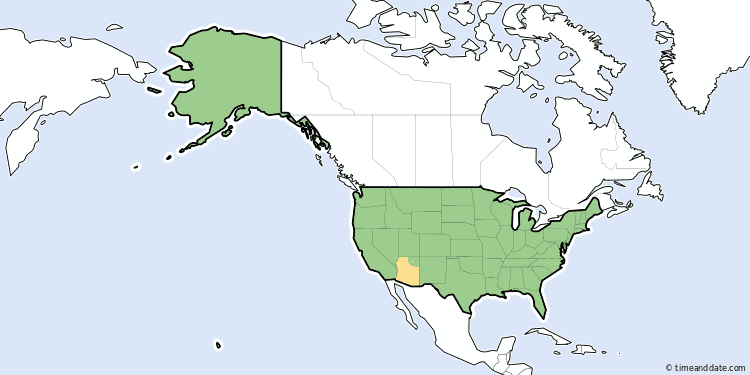
Most states follow the same schedule, but some parts like Arizona (excluding Navajo Nation) and Hawaii do not observe Daylight Saving Time at all.
Why do we have to change our clocks twice a year?
Originally, the goal was to save energy and make better use of daylight. Though nowadays, the benefits are debated, and many argue for abolishing the practice altogether.
Will Fall Back 2027 definitely be on November 7?
It’s the expected date based on current legislation, but official confirmation will be available closer to that year. Always check government announcements or the U.S. Naval Observatory FAQ for the latest updates.
What happens to my phone’s clock during Fall Back?
Phones usually update automatically if set to the correct time zone. It’s wise to verify the clock before going to sleep on the night of the change, just in case.
Disclaimer: All dates and information are based on the most recently available official sources and are subject to change. Always verify with the official institution website for the most current details.