Are you a millennial entrepreneur or business leader looking to not just survive, but thrive in the rapidly evolving landscape of 2026? The clock is ticking, and November is the critical month to lay the groundwork for a truly successful year ahead. This comprehensive November 2026 Business Planning Guide is meticulously crafted to empower your vision, align your team, and propel your enterprise forward.
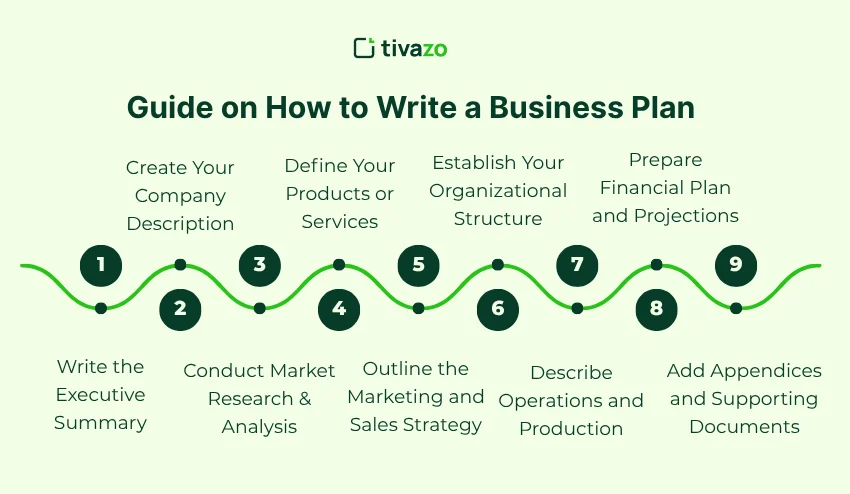
Gone are the days of last-minute resolutions. Proactive strategic planning is your secret weapon for navigating the future with confidence and purpose. We’ll explore essential strategies to ensure your business is resilient, innovative, and perfectly positioned for exponential growth.
The Millennial Mindset in Business: Why 2026 is Different
Millennials are redefining the business world with a distinct approach focused on purpose, impact, and adaptability. Our generation values flexibility, innovation, and a strong sense of community, both within our teams and with our customers. This mindset isn’t just a trend; it’s a fundamental shift shaping the economy of 2026.
As business leaders, we understand the importance of creating enterprises that reflect our values. This means embracing digital transformation, championing sustainability initiatives, and fostering an inclusive company culture. Your November 2026 Business Planning Guide must resonate with these core principles.
Purpose-Driven Enterprises: Beyond Profit Margins
For many millennials, success isn’t solely defined by revenue. It’s about making a difference. Integrating social responsibility and ethical practices into your business strategy is no longer optional; it’s a competitive advantage.
Customers and employees alike seek organizations with a clear mission and vision. Ensure your 2026 plan explicitly outlines your societal contributions and sustainability goals.
Flexibility and Remote Work Trends: The New Normal
The past few years have solidified the importance of flexible work environments. Remote work tools and hybrid models are now standard operating procedures for many businesses. Your operational planning for 2026 must account for this.
This flexibility impacts everything from talent acquisition to team collaboration. It’s about empowering your workforce, leading to higher employee engagement and productivity.

Tech-Savvy Approach: Leveraging Innovation
Millennials are digital natives, quick to adopt new technologies. From AI and automation to advanced data analytics, leveraging these tools can optimize efficiency and enhance customer experience. Your business strategy should actively seek out innovative solutions.
Staying ahead in technological advancements is crucial for maintaining a competitive edge. This will influence your investment and resource allocation in the upcoming year.
Deep Dive: Essential Pillars of Your 2026 Business Planning Guide
Effective planning requires a structured approach. We’ve broken down your November 2026 Business Planning Guide into six critical pillars. Each pillar addresses a core aspect of your business, ensuring a comprehensive and robust plan.
Pillar 1: Vision & Strategic Alignment
Before diving into specifics, revisit your overarching vision. Where do you want your business to be by the end of 2026? A clear vision provides direction and motivates your entire team.
Strategic planning is the bedrock of future success. It allows you to anticipate challenges and seize opportunities.
Setting Clear Objectives & Goals (SMART Goals)
Vague aspirations won’t cut it. Your objectives and goals for 2026 need to be Specific, Measurable, Achievable, Relevant, and Time-bound (SMART). This framework provides a practical roadmap.
Break down large goals into smaller, actionable milestones. This makes them less daunting and easier to monitor and evaluate.
Revisiting Your Mission & Values
Your mission statement defines your business’s purpose, while your values guide its conduct. In a rapidly changing world, it’s vital to ensure these still resonate. Are they truly reflective of your current operations and future aspirations?
A strong sense of mission and core values attracts both talent and loyal customers. This is particularly important for millennial-focused businesses.

Forecasting Market Trends for 2026
Understanding the economic outlook and industry analysis is paramount. What consumer behavior shifts are on the horizon? How will technological advancements impact your sector?
Leverage market research and industry experts to gain foresight. This data-driven approach allows for proactive adaptation rather than reactive scrambling.
| Key Market Trends for 2026 | Impact on Business Planning | Strategic Action Points |
|---|---|---|
| Hyper-Personalization (CX) | Increased customer expectations for tailored experiences. | Invest in CRM, data analytics; segment customer journeys. |
| AI & Generative AI Proliferation | Automation of tasks, enhanced decision-making, content creation. | Integrate AI tools for efficiency; upskill teams. |
| Sustainability & ESG Focus | Growing consumer and investor demand for ethical practices. | Embed ESG into operations; transparent reporting; green initiatives. |
| Hybrid/Remote Work Dominance | Need for robust digital infrastructure and flexible HR policies. | Optimize remote work tools; develop inclusive company culture. |
| Creator Economy & Micro-Influencers | Shift in marketing channels, authentic brand building. | Partner with micro-influencers; diversify content marketing strategy. |
Pillar 2: Financial Health & Sustainable Growth
A solid financial foundation is non-negotiable for any enterprise. Your November 2026 Business Planning Guide must include meticulous financial planning. This ensures both stability and the capacity for growth.
Sustainable growth isn’t just about increasing revenue; it’s about building a robust and resilient financial structure.
Budgeting & Resource Allocation
Develop a detailed annual budget for 2026. This process involves carefully allocating capital across departments and projects. Prioritize investments that align with your strategic objectives and offer the highest ROI.
Regularly review your budget against actual spend. This allows for agile adjustments throughout the fiscal year.
Cash Flow Management & Profit Margins
Effective cash flow management is the lifeblood of your business. Forecast your cash inflows and outflows to prevent liquidity issues. Healthy profit margins allow for reinvestment and innovation.
Analyze your pricing strategies and cost structures. Identify areas for optimization without compromising quality or value.
Investment & Funding Strategies
Whether seeking angel investment, venture capital, or leveraging internal capital, your funding strategy needs to be clear. Consider various options for capital to fuel your 2026 growth initiatives. Demonstrate your financial health and future projections.
Understand potential tax implications and legal considerations related to any investment. Consult financial advisors for expert guidance.
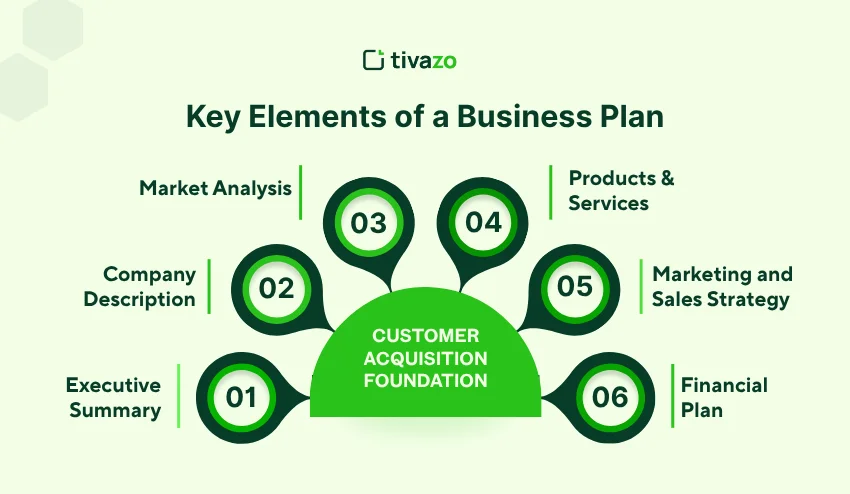
Pillar 3: Digital Transformation & Tech Integration
In 2026, technology is not just a tool; it’s a strategic imperative. Digital transformation is an ongoing journey that touches every facet of your business. Integrate technology thoughtfully to enhance efficiency and customer satisfaction.
Embrace innovation to future-proof your operations and remain competitive.
Leveraging AI & Automation
Artificial intelligence and automation are no longer buzzwords; they are practical solutions for optimizing repetitive tasks. From customer service chatbots to data analysis tools, AI can free up your team for more strategic work.
Explore how AI can enhance productivity and improve decision-making across your enterprise. This is a key area for investment in 2026.
Cybersecurity & Data Protection
With increased reliance on digital systems comes heightened cybersecurity risks. A data breach can be devastating for a small business. Prioritize robust data protection measures.
Implement strong protocols, employee training, and regular security audits. This builds trust with customers and protects your intellectual property.
Optimizing Remote Work Tools
For businesses operating with remote or hybrid models, the right tools are crucial. Invest in project management software, team collaboration platforms, and secure communication channels. These tools empower your workforce.
Ensure your infrastructure supports seamless remote operations. This is vital for maintaining productivity and employee engagement.
Pillar 4: Marketing & Customer Experience (CX) Innovations
Your marketing plan for 2026 needs to be dynamic and customer-centric. Consumer behavior is constantly evolving, demanding innovative approaches to brand building and lead generation. Focus on creating authentic connections.
A superior customer experience is your most powerful differentiator.
Crafting Your 2026 Marketing Plan
Outline your target audience, marketing channels, and messaging for the upcoming year. Consider a mix of content marketing, social media strategy, SEO, and paid advertising. Digital marketing remains key for millennial audiences.
Set clear performance indicators (KPIs) to monitor campaign effectiveness. Be ready to adapt based on data analytics.
Personalization & Customer Journey Mapping
Customers expect personalized interactions. Map out the entire customer journey, identifying touchpoints where you can add value and tailor experiences. This creates stronger relationships and fosters loyalty.
Leverage CRM systems to track customer interactions and preferences. Use this data to inform your marketing and product development.
Social Media & Brand Building
Social media is an indispensable tool for brand building and community engagement. Develop a compelling social media strategy that aligns with your brand voice and values. Focus on authentic content that resonates with your audience.
Engage actively with your followers. Social media provides a direct channel for customer feedback and relationship building.
Pillar 5: People & Culture: Empowering Your Team
Your team is your greatest asset. A thriving company culture and empowered employees are crucial for sustained success. Prioritize investments in human capital.
Strong leadership and a positive work environment drive innovation and resilience.
Talent Acquisition & Retention
In a competitive job market, attracting and retaining top talent is a challenge. Clearly define your employer brand and showcase your company culture. Offer competitive benefits, growth opportunities, and a meaningful work environment.
Develop robust onboarding processes and continuous learning programs. This ensures your team is always growing and engaged.
Employee Engagement & Well-being
An engaged workforce is a productive workforce. Implement strategies to foster employee engagement, recognizing achievements and encouraging open communication. Prioritize mental health and well-being initiatives.
Regular feedback loops, like surveys and one-on-one meetings, help gauge employee satisfaction. Address concerns proactively to build trust.
Cultivating a Resilient Company Culture
Your company culture is the backbone of your organization. Foster an environment of psychological safety, collaboration, and continuous improvement. A resilient culture can adapt to change and overcome challenges.
Lead by example, promoting transparency and ethical practices. This strengthens your team and attracts like-minded individuals.
Pillar 6: Risk Management & Adaptability
No business plan is complete without acknowledging potential risks. The global economy, technological advancements, and regulatory changes can all introduce unforeseen challenges. Your November 2026 Business Planning Guide must include strategies for risk mitigation and crisis planning.
Adaptability is a key attribute of successful enterprises in the modern age. Prepare to pivot when necessary.
Identifying Potential Challenges
Conduct a thorough risk assessment. What are the potential financial, operational, market, or reputational risks facing your business in 2026? Consider cybersecurity threats, supply chain disruptions, or economic downturns.
Involve your team in this process. Diverse perspectives can uncover overlooked vulnerabilities.
Developing Contingency Plans
For each identified risk, develop a contingency plan. What steps will you take if a particular challenge materializes? Having clear protocols in place can minimize damage and ensure business continuity.
These plans should be practical and actionable. Regularly review and update them as circumstances change.
Embracing Agile Methodologies
Agile methodologies, typically associated with software development, can be applied to business planning. This involves iterative development, frequent adjustments, and continuous feedback. It fosters a flexible and adaptable approach.

Don’t be afraid to pivot your strategy if market conditions or internal insights demand it. Agility is about responding quickly and effectively.
| Common Business Risk Categories (2026 Outlook) | Potential Impact | Mitigation & Adaptability Strategies |
|---|---|---|
| Economic Volatility / Inflation | Reduced consumer spending, increased operating costs. | Diversify revenue streams; flexible pricing; cost optimization; strong cash reserves. |
| Cybersecurity Threats | Data breaches, reputational damage, financial losses. | Invest in advanced cybersecurity; regular employee training; incident response plan. |
| Talent Shortages / Skill Gaps | Reduced productivity, increased recruitment costs. | Competitive compensation/benefits; upskilling programs; strong employer brand; remote talent pools. |
| Supply Chain Disruptions | Production delays, inventory shortages, higher costs. | Diversify suppliers; build inventory buffers; localize supply chains; transparency with customers. |
| Regulatory & Policy Changes | Compliance costs, operational restrictions. | Monitor legislative landscape; consult legal experts; engage industry associations. |
Step-by-Step Action Plan: Your November 2026 Checklist
Now that we’ve covered the essential pillars, let’s break down how to implement your November 2026 Business Planning Guide into actionable steps throughout this crucial month. This phased approach ensures thoroughness without overwhelm.
Phase 1: Assess & Analyze (Early November)
-
Review 2025 Performance: Conduct a deep dive into your Q1-Q3 performance. Identify successes, failures, and key learnings. What worked? What didn’t?
-
Market Research Update: Gather fresh data on market trends, economic outlook, and competitive landscape for 2026. Look for shifts in consumer behavior.
-
Team Feedback: Solicit input from your team across all departments. Their on-the-ground insights are invaluable for identifying operational strengths and weaknesses.
-
Risk Assessment: Brainstorm potential risks for 2026 with your leadership team. Prioritize based on likelihood and potential impact.
Phase 2: Strategize & Design (Mid-November)
-
Vision & Goal Setting Workshop: Facilitate a workshop to refine your mission, vision, and set SMART goals for 2026. Ensure alignment across all stakeholders.
-
Draft Strategic Pillars: Develop high-level strategies for each of the six pillars discussed above. How will you achieve your goals?
-
Budget & Resource Allocation: Create a preliminary budget for 2026, allocating resources to support your strategic initiatives. Get initial buy-in from key departments.
-
Contingency Planning: Develop initial contingency plans for the identified risks. Outline clear triggers and responses.
Phase 3: Finalize & Communicate (Late November)
-
Refine & Detail: Flesh out your strategic plans with specific action steps, deadlines, and assigned responsibilities. Detail your marketing plan, operational plan, etc.
-
Leadership Review: Present the comprehensive plan to your leadership team or board for final review and approval. Incorporate their feedback.
-
Communicate & Cascade: Clearly communicate the 2026 business plan to your entire organization. Explain the ‘why’ behind the strategies and how each team member contributes to the overall success. Foster alignment and empower your team.
-
Set Monitoring Cadence: Establish a schedule for regular review and monitoring of KPIs and progress against goals. Be prepared to be agile and adapt.
Expert Insights & Real-World Examples
As an SEO Strategist and Semantic Content Architect who has advised numerous millennial-led startups, I’ve seen firsthand the power of proactive planning. One client, a sustainable e-commerce brand, dedicated November 2023 to meticulously forecast consumer trends for 2024. By anticipating a surge in demand for ethically sourced packaging, they adjusted their supply chain early.
This early strategic planning allowed them to secure new eco-friendly suppliers and launch a highly successful marketing campaign touting their sustainable practices. Their foresight, driven by a data-driven approach, directly led to a 40% increase in Q1 2024 revenue compared to the previous year. This demonstrates how a comprehensive November 2026 Business Planning Guide can translate directly into tangible growth and competitive advantage.
Another example involves a tech startup focused on remote work tools. In November 2024, they ran extensive employee engagement surveys as part of their 2025 planning. The feedback revealed a need for better mental health support within their remote teams. By integrating new well-being initiatives and virtual community-building events into their annual plan, they significantly boosted employee retention and satisfaction throughout 2025, solidifying their reputation as a top employer.
Frequently Asked Questions (FAQs)
Q1: Why plan so early for 2026 in November 2025?
A: Planning in November for the upcoming year provides a significant advantage. It allows you to complete your strategic planning before the busy year-end, ensuring a clear roadmap from January 1st. This early start offers ample time for thorough market research, financial forecasting, and team alignment. It prevents reactive decision-making and fosters a proactive, future-proof approach to your business strategy.
Q2: How do I make my 2026 business plan agile and adaptable?
A: Incorporate iterative planning cycles (e.g., quarterly reviews) and build in flexibility. Instead of rigid annual goals, set overarching objectives with adaptable tactics. Regularly monitor key performance indicators (KPIs) and be prepared to pivot based on new data or market changes. Embrace a ‘test and learn’ mentality, allowing for continuous improvement and strategic adjustments throughout the year.
Q3: What’s the biggest mistake businesses make in their annual planning?
A: One common mistake is creating a plan that sits on a shelf and is never actively used or reviewed. Another is failing to involve the wider team in the planning process, leading to a lack of buy-in and ownership. Avoid making assumptions without data, and don’t be afraid to adjust your plan. A truly effective plan is a living document that guides daily operations and strategic decisions.
Q4: How important is sustainability and ESG in 2026 business planning?
A: Sustainability and ESG (Environmental, Social, Governance) factors are increasingly critical. Consumers, investors, and top talent are looking for businesses that prioritize ethical practices and positive impact. Integrating sustainability initiatives into your 2026 plan can enhance your brand reputation, attract purpose-driven millennials, mitigate risks, and even uncover new market opportunities. It’s a strategic imperative, not just a feel-good add-on.
Conclusion: Your Roadmap to 2026 Success
As we wrap up this journey through the complexities of future-proofing your business, remember that the power to shape your 2026 success lies in your hands, right now. This comprehensive November 2026 Business Planning Guide isn’t just a document; it’s a blueprint for growth, resilience, and purpose-driven impact. By dedicating this month to strategic foresight, data-driven decisions, and empowering your team, you’re not just planning for a year; you’re building a legacy.
Embrace the challenges, leverage the opportunities, and lead with vision. Your enterprise is poised for remarkable achievements. Go forth and make 2026 your most successful year yet.