Hey cosmic explorers and night sky enthusiasts! Get ready to mark your calendars because the June 2026 Meteor Shower Predictions are here, promising a celestial spectacle that you won’t want to miss. Whether you’re a seasoned skywatcher or just looking for a breathtaking escape from everyday life, June 2026 is shaping up to be an unforgettable month for gazing at the stars.

We’re talking about more than just a few streaking lights. We’re diving deep into the astronomical phenomenon that will grace our skies, providing you with all the insider tips, forecasts, and expert advice to make your viewing experience truly spectacular. This comprehensive guide will transform you from a casual observer into a savvy stargazer, prepared for any celestial event June throws our way.
Understanding Meteor Showers: Your Cosmic Primer
Before we jump into the specifics of June 2026 Meteor Shower Predictions, let’s cover the basics. What exactly are these luminous streaks of light that captivate us?
What Are Meteors, Anyway?
Think of meteors as tiny fragments of space debris, often no bigger than a grain of sand. They are typically remnants from comets or asteroids that enter Earth’s atmosphere. As they plunge through, friction causes them to heat up and glow, creating those fleeting ‘shooting stars’ we all love to see.
Why Do They Happen? The Parent Body Connection
Meteor showers occur when Earth passes through a trail of debris left behind by a parent body, usually a comet. As the comet orbits the sun, it sheds dust and rock, forming a cosmic dust trail. When our planet intersects this trail, these celestial objects become meteors.
Each shower is associated with a specific parent body and has a radiant point in the sky. This is the spot where the meteors appear to originate from, named after the constellation it lies within. Understanding this helps you locate and appreciate the spectacle.
Key Terms for Skywatchers: ZHR, Magnitude, and Radiant
- Zenithal Hourly Rate (ZHR): This is the predicted number of meteors an observer would see per hour under ideal, perfectly dark skies with the radiant directly overhead. It’s a key metric for forecasts.
- Magnitude: Refers to the brightness of a celestial object. Lower numbers indicate brighter objects. Faint meteors have higher magnitudes.
- Radiant: The point in the sky from which meteors in a particular shower appear to emanate. While they seem to come from this point, you should observe the entire sky for the best chance of spotting them.
The June 2026 Celestial Calendar: What’s on the Cosmic Menu?
June is often considered a quieter month for major meteor showers compared to August (Perseids) or December (Geminids). However, there are still fascinating and often overlooked celestial events to look forward to in June 2026. These showers, while sometimes sporadic, offer unique viewing opportunities for dedicated skywatchers.
Unpacking the June 2026 Meteor Shower Predictions
Our June 2026 Meteor Shower Predictions point to a few key players. While the hourly rates might not match the blockbuster showers, the beauty lies in their subtlety and the potential for unexpected fireballs.
The June Bootids: A Temperamental Treat
The June Bootids are perhaps the most well-known of June’s meteor showers. Active from late May to early July, their peak activity usually falls around late June. What makes them unique is their temperamental nature; they can be very quiet some years (ZHR 0-5) and surprisingly active others (ZHR up to 100 or more!).
These meteors are associated with Comet Pons-Winnecke. For June 2026, astronomical societies and experts like those at the International Meteor Organization (IMO) are keeping a close eye on predictions for any potential outbursts. Their radiant point is in the constellation Boötes.
Daytime Arietids: A Radio Spectacle
The Daytime Arietids are a strong June shower, but as their name suggests, their peak occurs during daylight hours. This means they are generally not visible to the naked eye. However, radio astronomers can detect their activity, making them fascinating from a scientific perspective. If you’re a serious enthusiast, understanding this invisible activity adds another layer to your astronomy experience.
Other Potential Minor Showers in June 2026
Beyond these two, June can sometimes surprise us with minor, unnamed showers or sporadic activity. These are often difficult to predict with high specificity, but they contribute to the overall potential for seeing a shooting star on any given night. Staying alert and looking up is always the best strategy.
Key Factors Influencing Your June 2026 Viewing Experience
Several elements will impact how many meteors you see in June 2026. Understanding these can help you plan your stargazing sessions for optimal results.
- Moon Phase: A dark moon is your best friend. A bright moon can easily wash out fainter meteors, significantly reducing visibility. Always check the calendar for the lunar cycle.
- Light Pollution: City lights are the arch-nemesis of skywatchers. Finding dark skies away from urban glow is paramount for seeing the most meteors, especially the faint ones.
- Weather Conditions: Clear skies are a non-negotiable. Clouds, fog, or heavy haze will obstruct your view. Always check the local forecast before heading out.
June 2026 Meteor Shower Forecast at a Glance
Here’s a snapshot of what we know about the June 2026 Meteor Shower Predictions, based on current astronomical forecasts and historical data:
| Shower Name | Peak Dates (2026) | Peak Time (UTC) | ZHR (Predicted) | Parent Body | Radiant Constellation | Moon Phase Impact |
|---|---|---|---|---|---|---|
| June Bootids | June 26-27 | ~02:00 UTC | 0-10 (highly variable) | Comet Pons-Winnecke | Boötes | Waning Crescent (Low) |
| Daytime Arietids | June 7 | Daytime | N/A (Radio Detection) | Asteroid (1566) Icarus | Aries | Waxing Gibbous (Irrelevant for visual) |
| Sporadic Activity | Throughout June | Varies | 1-3 | Various | Various | Moderate to High |
Note: ZHR predictions for sporadic showers are estimates and can vary significantly. Always check the latest forecasts from reputable sources like the IMO or NASA closer to the dates.
Your Ultimate Stargazing Guide for 2026: Prepare to Witness Cosmic Display
Now that you know what to expect from the June 2026 Meteor Shower Predictions, let’s talk about how to plan and enhance your viewing experience. This isn’t just about looking up; it’s about creating a memorable night sky viewing adventure.
Finding the Darkest Skies: Escaping Light Pollution
This is arguably the most crucial step. To truly appreciate the breathtaking beauty of meteors, you need to escape light pollution. Consider driving out to rural areas, national parks, or designated dark-sky preserves. Websites like DarkSky.org can help you locate optimal spots.
Even a slight reduction in ambient light can make a huge difference. Give your eyes time to adjust – at least 20-30 minutes – for proper dark adaptation.
Essential Gear for a Stellar Night
While meteor showers are a naked-eye event, a few items can significantly improve your comfort and enjoyment. This is your personal stargazing checklist:
- Comfortable Seating: A reclining chair, a blanket on the ground, or even a picnic mat. You’ll be looking up for extended periods.
- Warm Clothes: Even on a June night, temperatures can drop significantly, especially in rural areas. Layers are your friend!
- Thermos with Hot Beverages: Coffee, tea, or hot chocolate can make chilly waits much more pleasant.
- Red-Light Flashlight: Essential for navigating without ruining your dark adaptation. White light is a no-go.
- Bug Spray: Depending on your location, unwanted insect guests can ruin the mood.
- Snacks: Because waiting for shooting stars can build up an appetite.
- Binoculars (Optional): While not for viewing the meteors themselves, they’re great for exploring the surrounding constellations and planets.
Optimal Viewing Techniques: Maximize Your Sightings
You’ve found your spot and geared up; now what? Here’s how to best observe the meteors:

- Look Up, Not Directly at the Radiant: While meteors appear to originate from the radiant point, they often become visible further away. Scan a wide area of the sky, about 30-45 degrees away from the radiant.
- Patience is a Virtue: Meteor showers aren’t constant fireworks. There will be lulls. Give yourself at least an hour or two of observation time.
- Bring a Friend: Share the experience and have an extra set of eyes. Two heads are better than one for spotting those sporadic streaks.
Capturing the Cosmic Magic: Astrophotography Tips for Millennials
For many millennials, experiencing a celestial event means not just seeing it, but capturing it. Astrophotography of meteor showers can be challenging but incredibly rewarding. Here’s how to get started:
Your Gear Checklist for Astrophotography
- DSLR or Mirrorless Camera: One that performs well at high ISO settings.
- Wide-Angle Lens: A fast lens (f/2.8 or wider) is crucial for capturing a broad sweep of the sky and gathering enough light.
- Sturdy Tripod: Absolutely non-negotiable for long exposures.
- Remote Shutter Release: Prevents camera shake. Intervalometers are excellent for continuous shooting.
- Extra Batteries: Cold temperatures drain batteries quickly.
Camera Settings for Meteors
The key is to collect as much light as possible in a short period to capture the fleeting streaks. Here are general starting points:
- Aperture: Wide open (e.g., f/2.8, f/2.0).
- ISO: Start around 1600-3200, adjust higher if your camera handles noise well.
- Shutter Speed: 15-30 seconds. Longer exposures might result in star trailing, shorter might miss fainter meteors. Experiment!
- Focus: Manual focus set to infinity. Use Live View to magnify a bright star and achieve sharp focus.
Composition and Timing
Frame your shot to include an interesting foreground element, like a tree or a mountain, to add context. Start shooting continuously shortly before the peak time and continue for several hours. You’ll likely capture many frames without meteors, but patience will eventually pay off with a stunning capture.
Beyond the Showers: Related Celestial Events in June 2026
While our focus is on the June 2026 Meteor Shower Predictions, the night sky offers more wonders. Take time to appreciate the other celestial objects visible.
- Moon Phases: The moon’s phases dictate the ambient light. A New Moon offers the darkest skies, ideal for meteor showers.
- Visible Planets: Look for bright planets like Jupiter, Saturn, Mars, or Venus, which are often easily identifiable.
- Constellations: Familiarize yourself with prominent constellations of the season. They act as signposts in the sky.
Remember, the night sky is a dynamic canvas, always offering something new to observe. Expanding your view beyond just meteors can lead to a richer stargazing experience.
The Future of Meteor Showers: Predicting the Unpredictable
How do experts make these predictions for June 2026 Meteor Shower Predictions? It’s a complex blend of science, historical data, and a bit of educated guesswork, especially for less predictable showers.
How Forecasts Are Made
Scientists use sophisticated orbital mechanics to trace the paths of comets and asteroids and their associated dust trails. They model how Earth will intersect these trails. Factors like the density of the debris, the age of the trail, and the gravitational influence of planets all affect the forecasts.
Despite the advanced science, predicting the exact intensity or number per hour for meteor showers, especially for minor ones or potential outbursts, remains challenging. Small variations in Earth’s orbit or the dust trail itself can lead to significant differences in observed activity.
The Role of New Discoveries
New discoveries of comets and asteroids constantly refine our understanding. Sometimes, a previously unknown parent body might be identified, leading to new predictions for future showers. This dynamic nature keeps astronomy exciting and full of surprises.
Safety First: Enjoying the Night Sky Responsibly
Your stargazing adventure should be safe and enjoyable. Always prioritize personal safety and environmental responsibility.
- Tell Someone Your Plans: If you’re heading to a remote location, inform a friend or family member of your whereabouts and estimated return time.
- Check the Weather: Beyond clear skies, be aware of any potential storms, extreme temperatures, or other hazards.
- Dress Appropriately: Layers, sturdy shoes, and bug repellent are your friends.
- Leave No Trace: Pack out everything you pack in. Respect natural environments and leave them pristine for others.
- Respect Property: If you’re on private land, ensure you have permission.
- Be Mindful of Others: If others are skywatching nearby, be courteous with your lights (only use red light) and noise levels.
June 2026 Meteor Shower Predictions: A Deep Dive into Celestial Wonders
As we anticipate the June 2026 Meteor Shower Predictions, remember that each celestial event is a unique opportunity to connect with the cosmos. While June’s showers might require a bit more dedication than the big hitters, the reward of seeing a genuine shooting star is always worth it. It’s a chance to pause, look up, and be reminded of the vast, breathtaking universe we inhabit.
This guide has equipped you with the expertise to plan, prepare, and fully immerse yourself in the experience. From understanding the science to choosing the right gear and spots, you’re now ready to become a true observer of the night sky. Don’t forget to check the latest forecasts as we get closer to the dates, as predictions can be refined.
Key Factors for Optimal Meteor Shower Viewing (Checklist)
Here’s a quick recap of the most important elements for a successful viewing experience for the June 2026 Meteor Shower Predictions:
| Factor | Impact on Viewing | Recommendation |
|---|---|---|
| Moon Phase | Bright moon washes out faint meteors | Aim for New Moon or thin crescent for best visibility. |
| Light Pollution | City lights obscure fainter meteors, reducing ZHR. | Travel to certified dark-sky locations or rural areas. |
| Weather Conditions | Clouds block entire view; haze reduces clarity. | Check local forecast regularly; have a backup plan. |
| Radiant Location | Meteors appear to originate from this point. | Locate the radiant, but scan the whole sky, ~30-45° away. |
| Dark Adaptation | Eyes need time to adjust to low light conditions. | Allow 20-30 minutes for eyes to adjust; use a red-light flashlight. |
| Comfort | Long viewing sessions require patience and comfort. | Bring chairs, blankets, warm clothes, snacks, and drinks. |
Frequently Asked Questions About June 2026 Meteor Showers
What’s the best time to see meteors in June 2026?
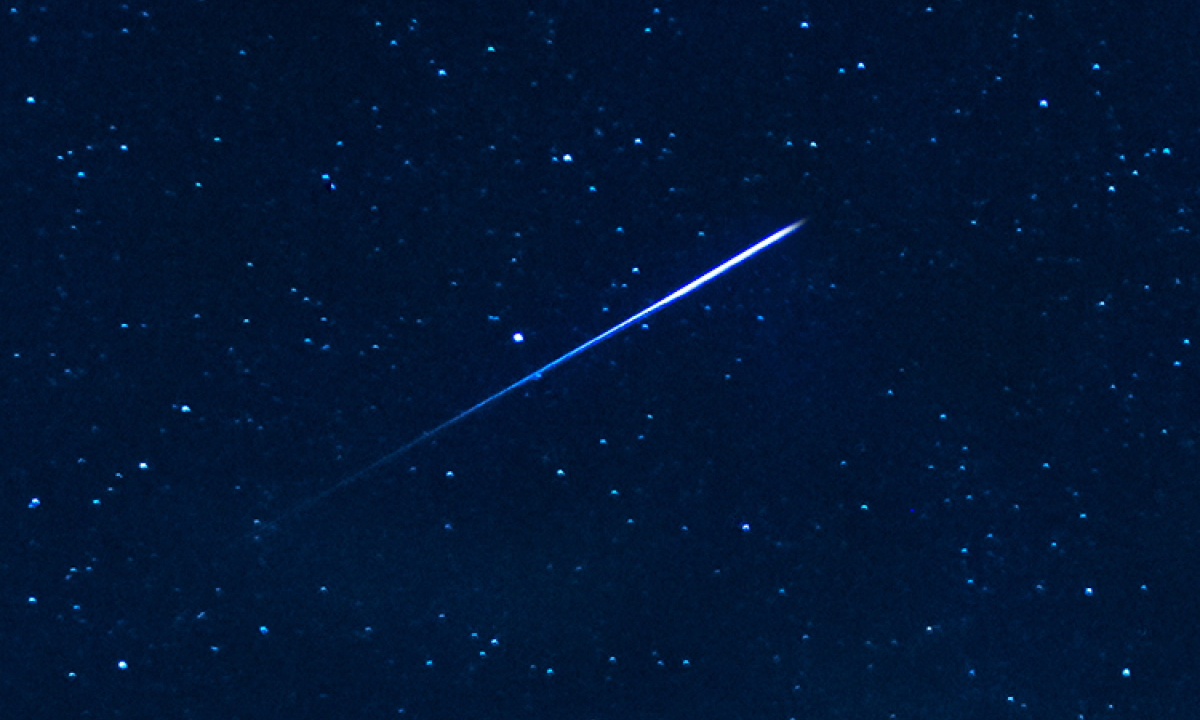
For the June Bootids, the peak is around June 26-27, typically in the late-night and early-morning hours. Always check updated predictions closer to the dates for the most precise timing, as they can shift.
Do I need a telescope for meteor showers?
No! Telescopes are generally not recommended for meteor showers. They offer a very narrow field of view, making it easy to miss the fast-moving streaks. Your naked eye is the best tool for observing meteor showers.
How many meteors can I expect to see?

The ZHR (Zenithal Hourly Rate) for June showers is usually lower than major annual events. For the June Bootids, it can range from 0 to 10 per hour, but occasional outbursts can lead to higher numbers. Sporadic meteors add a few more. Realistically, under good conditions, you might see a handful of shooting stars per hour.

What if the weather is bad on the peak night?
Weather is the ultimate spoiler! If the forecast is cloudy, consider looking for a clear view on the nights just before or after the peak. While activity might be lower, you still have a chance. Sometimes, traveling a short distance can get you past local clouds.
Are meteor showers dangerous?
Absolutely not! The space rocks that cause meteors are almost entirely consumed by friction in Earth’s atmosphere. Any fragments that survive and reach the ground are called meteorites, but these are exceedingly rare from typical meteor showers and pose no threat.
Final Conclusion: Embrace the Cosmic Journey in June 2026
The June 2026 Meteor Shower Predictions offer a unique opportunity to connect with the grand spectacle of our universe. While June might not deliver the same hourly rates as the Perseids or Geminids, its charm lies in the potential for unexpected bolides and the quiet beauty of a summer night spent under the stars. By using this guide, you’re not just observing; you’re actively participating in a time-honored human tradition of gazing skyward.
So gather your gear, find your dark-sky sanctuary, and prepare to be amazed. The cosmos is waiting, offering a show that reminds us of the endless wonders beyond our planet. Keep looking up, stay curious, and enjoy the celestial magic that the June 2026 Meteor Shower Predictions promise to deliver!