Unlock Your Summer Adventure: The Ultimate Guide to National Parks in 2026
Hey adventure-seekers! Ready to trade screen time for sunshine and epic vistas? Summer 2026 is on the horizon, and with it, the irresistible call of America’s most stunning natural treasures. If you’re anything like us, you’ve got that wanderlust itch, and there’s no better cure than immersing yourself in the majestic landscapes of our National Parks.

This isn’t just another travel article. This is your comprehensive July 2026 National Parks Visitation Guide, crafted specifically for millennials who crave authenticity, sustainable travel, and unforgettable experiences. We’re diving deep into what you need to know to make your trip epic, stress-free, and truly impactful. Forget endless scrolling; consider this your personalized roadmap to summer bliss.
Why July 2026 is Your Prime Time for Park Adventures
There’s a reason why July consistently ranks as a top month for park visits: the weather is generally glorious, all park areas are typically accessible, and the energy of summer is simply infectious. From towering mountain peaks to serene coastal paths, the US parks come alive in mid-summer.
However, July also signifies peak season, bringing with it both incredible opportunities and unique challenges. Think longer days perfect for stargazing, but also more significant summer crowds at popular viewpoints. It’s all part of the adventure, and with the right strategy, you can easily navigate it.
My own experiences as an outdoor journalist and former NPS volunteer have shown me that July visits offer unparalleled beauty, but also underscore the importance of advance booking and smart planning. It’s a time when the parks truly shine, but they also demand a little extra foresight from us explorers.
Decoding the July 2026 National Parks Landscape: Top Picks & Hidden Gems
Choosing which protected areas to explore can be the hardest part! To help you out, we’ve broken down some of the best parks for a July 2026 visit, balancing iconic must-sees with a few gems that offer a different vibe.
Iconic Western Wonders: The Bucket List Essentials
These parks are famous for a reason, offering breathtaking views and experiences that define American wilderness.

- Yosemite National Park: July in Yosemite means waterfalls are still flowing strong from snowmelt, and the valley is buzzing with life. Plan for early mornings to beat the crowds to iconic spots like Tunnel View and Glacier Point.
- Grand Canyon National Park: While the inner canyon sees extreme heat, the South Rim offers stunning, accessible vistas. Consider sunrise or sunset visits for truly majestic landscapes and vibrant colors.
- Yellowstone National Park: Geysers erupt, bison roam, and the diverse ecosystem is at its most vibrant. Expect company, but careful planning allows for incredible wildlife viewing opportunities, especially early in the day.
- Zion National Park: July means warm weather perfect for wading through The Narrows (permit often required) or exploring emerald pools. The shuttle service is essential here; parking is extremely limited.
- Rocky Mountain National Park: With its high elevation, July brings wildflowers and accessible trails, including the famous Trail Ridge Road. Prepare for potential afternoon thunderstorms and remember that high altitude means less oxygen.
Eastern Escapes & Southern Charms
Don’t overlook the beauty found east of the Mississippi!
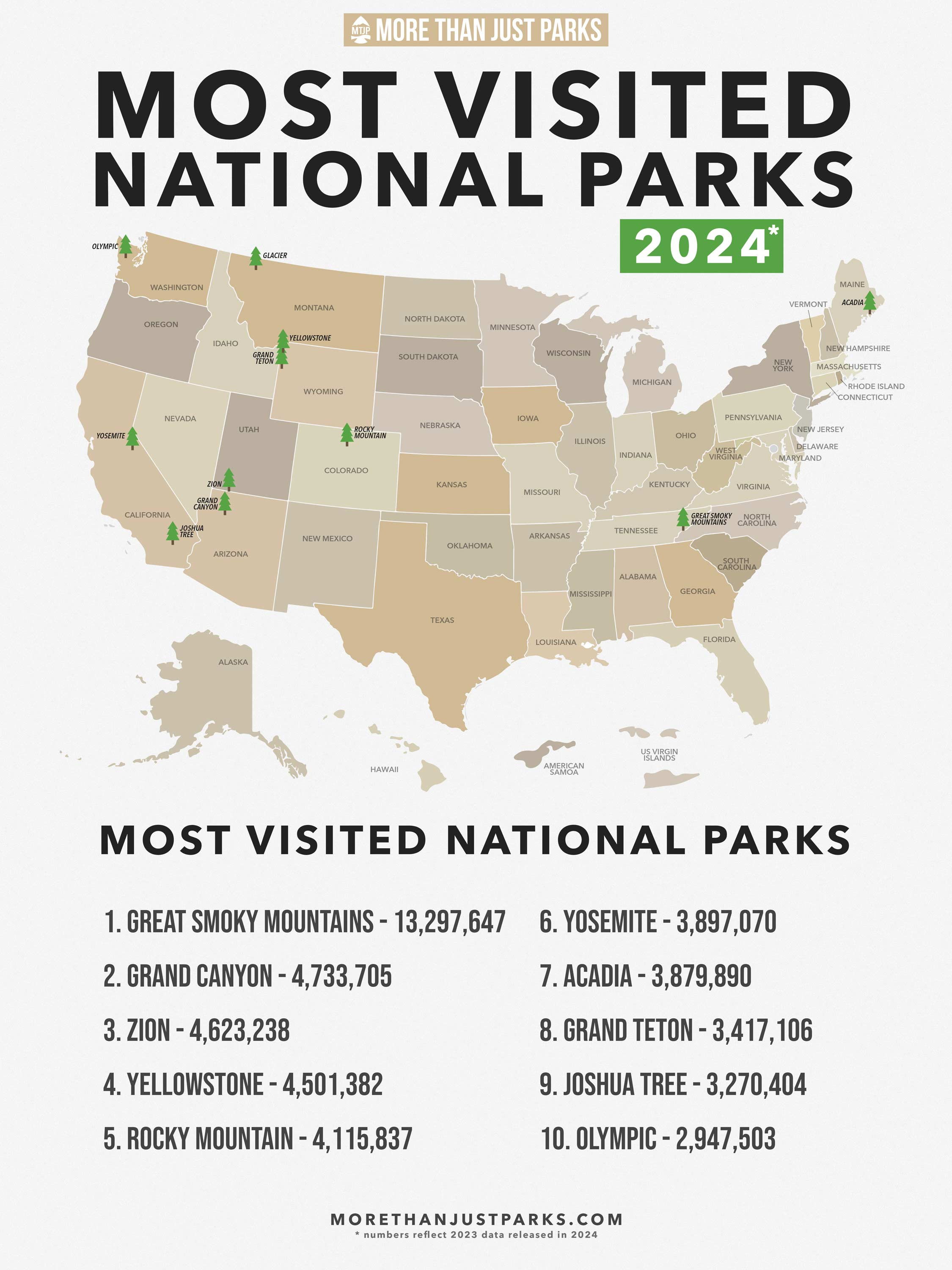
- Great Smoky Mountains National Park: America’s most visited park, boasting incredible biodiversity and lush forests. Hike to waterfalls or drive Cades Cove for historic sights and potential wildlife spotting.
- Acadia National Park: Perched on the coast of Maine, Acadia offers unique granite cliffs, rugged shoreline, and epic sunrises from Cadillac Mountain (reservations often needed). It’s perfect for those seeking a mix of ocean and forest.
Untamed Wilderness & Desert Dreams
For something a little different, these parks offer distinct adventures.
- Glacier National Park: Often called the ‘Crown of the Continent,’ Glacier’s Going-to-the-Sun Road is usually fully open by July. Expect stunning alpine scenery, but also check for wildfire alerts in dry seasons.
- Arches National Park: The iconic red rock formations are even more dramatic under a summer sky. Plan hikes for early mornings or late evenings to avoid intense desert heat.
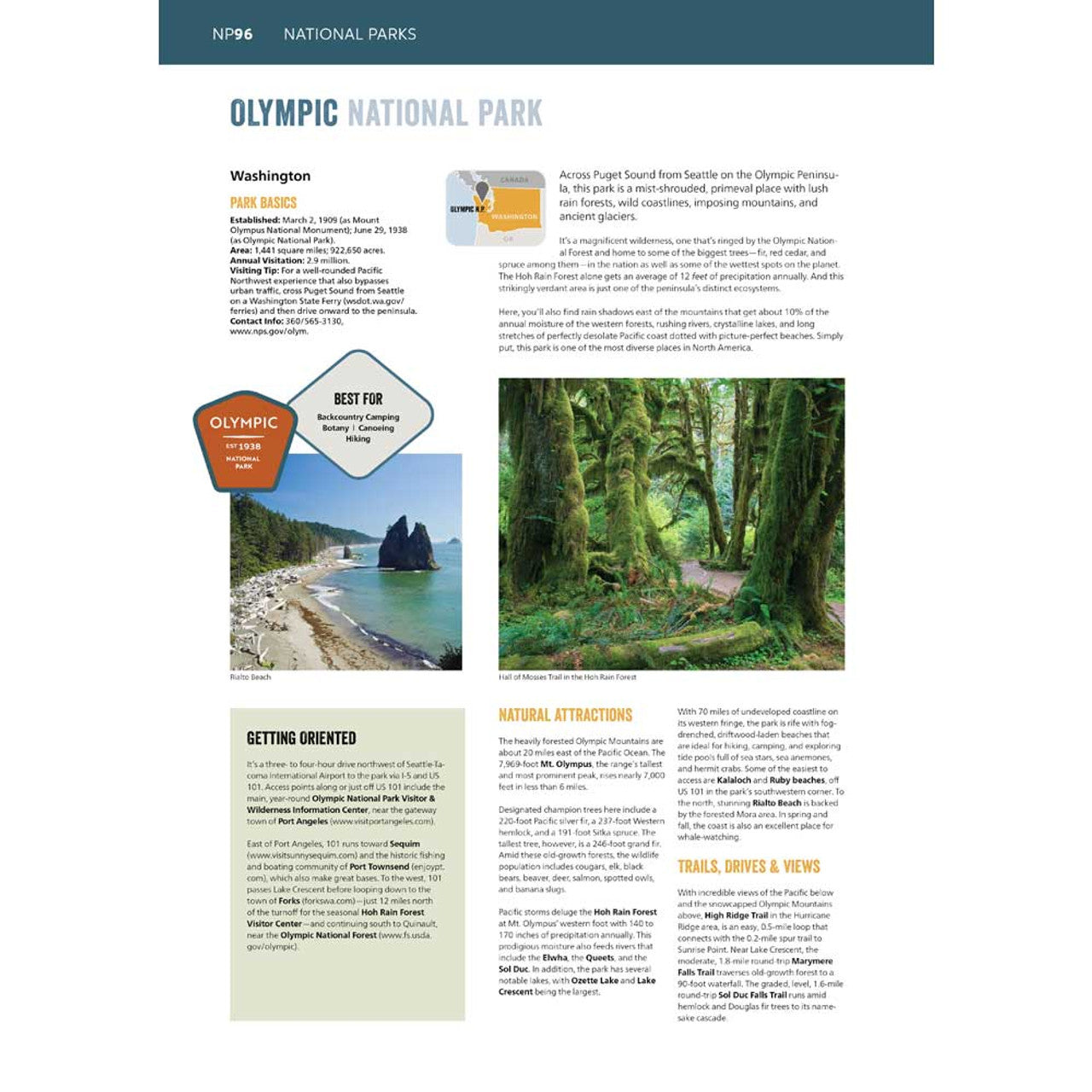
- Olympic National Park: This park is a wonderland of diverse ecosystems, from temperate rainforests to rugged coastline and glaciated peaks. July offers the best chance for favorable weather patterns across all zones.
Here’s a quick snapshot to help you decide:
| National Park | July Visitation Level | Key Challenge (July) | Must-Do Activity |
|---|---|---|---|
| Yellowstone | High | Crowds at iconic geysers | Wildlife viewing at dawn |
| Yosemite | High | Valley congestion | Glacier Point stargazing |
| Grand Canyon | High | Extreme heat (inner canyon) | Sunrise at Mather Point |
| Zion | High | Shuttle dependence | The Narrows (permit often needed) |
| Rocky Mountain | High | Timed entry required | Trail Ridge Road drive |
| Glacier | Medium-High | Going-to-the-Sun Road traffic | Kayaking Lake McDonald |
| Great Smoky Mountains | High | Traffic on main roads | Cades Cove scenic loop |
| Acadia | Medium-High | Cadillac Mtn. reservations | Ocean Path walk |
| Arches | Medium | Desert heat | Delicate Arch at sunset |
| Olympic | Medium | Varied weather zones | Hoh Rainforest walk |
Navigating the Crowds: Your Strategic July 2026 Planning Blueprint
The secret to a fantastic July summer adventure lies in proactive planning. Embrace it!
Timed Entry & Reservation Systems: The New Normal
Many popular National Parks have implemented timed entry or lottery systems to manage visitor flow and protect natural resources. This is crucial for July 2026, especially for major parks.
Always check the official NPS.gov website for the specific park you plan to visit. Accommodation inside the parks, whether camping or lodges, can book up a year in advance. Be ready for that advance booking!
For example, some parks require backcountry permits for overnight stays, and popular day hikes might also need reservations. The shuttle systems in parks like Zion and Yosemite are your best friends; learn their schedules and routes.
Beating the Rush: Early Birds & Night Owls
Want to experience the pristine wilderness without a massive throng of people? Get up before the sun. Seriously.
Early mornings offer quieter trails, better chances for wildlife viewing, and often more comfortable temperatures for hiking. Similarly, late evenings can provide serene moments, especially for sunset views and stargazing spots.
Consider exploring lesser-known iconic trails or visiting popular viewpoints during off-peak hours. Sometimes a short, easy walk away from the main attractions can lead to unexpected solitude.
Passes, Fees, & Budgeting for Your Adventure
Don’t let the cost surprise you. A little financial planning goes a long way.
The America the Beautiful Pass is your golden ticket if you plan to visit multiple parks. For $80, it covers entrance fees for a year. Otherwise, individual park entrance fees range from $20-$35 per vehicle.
Camping in a designated campground averages $20-$50 per night, while lodging options inside parks can run from $150-$400+. Factor in food, gas, and any gear rentals.
| Expense Category | Average Cost per Day (per person) | Notes |
|---|---|---|
| Park Entrance Fees | $5-$15 (if no pass) | America the Beautiful Pass is $80/year for all parks, highly recommended. |
| Accommodation | $30 (camping) – $250+ (lodge/hotel) | Camping is budget-friendly but requires early booking. Lodges are premium. |
| Food & Drink | $40-$70 | Pack snacks, picnic supplies. Restaurant options are limited and pricey in parks. |
| Transportation (Gas/Shuttle) | $10-$30 | Depending on driving distances, shuttle usage. |
| Activities/Gear Rental | $0-$50 | Hiking is free! Kayak/bike rentals, guided tours can add up. |
| Miscellaneous | $10-$20 | Souvenirs, unexpected needs. |
| Total Daily Estimate | $95 – $435+ | Varies widely based on travel style and duration. |
Gear Up, Go Forth: Essential Packing for July 2026 Park Visits
Being prepared is key to enjoying your outdoor adventure. Think smart, pack light, and prioritize.
The Non-Negotiables: Safety & Comfort
Hydration is paramount, especially in desert parks or during strenuous mountain hiking. Carry plenty of water and consider a water filter or purification tablets for backcountry trips.
Layered clothing is always a good idea, as mountain weather can change quickly. Sun protection (hat, sunscreen, sunglasses) is non-negotiable. A well-stocked first-aid kit, navigation tools (map, compass, GPS), and a headlamp are also critical packing essentials.
Don’t forget sturdy, broken-in hiking shoes! Blisters are no fun when you’re trying to enjoy scenic beauty.
Tech for Trailblazers: Smart Gadgets & Photography
While the goal is often a digital detox, some tech is incredibly useful. Download offline maps of the park and surrounding areas (Google Maps, AllTrails). A portable power bank will keep your devices charged, especially if you’re relying on your phone for photos.
For capturing those breathtaking views, a good camera (whether it’s your smartphone or a dedicated DSLR/mirrorless) is a must. Consider a tripod for stargazing photography or long exposures of waterfalls.
Remember to respect others’ experiences; avoid loud music or excessive phone calls on trails. Sometimes the best sounds are the rustling leaves and birdsong.
Leave No Trace Principles: Responsible Exploration
As responsible travelers, we must practice Leave No Trace principles. Pack out everything you pack in, stay on designated trails, and respect wildlife. This ensures the pristine wilderness remains untouched for future generations.
Sustainable tourism isn’t just a buzzword; it’s a commitment. Educate yourself on park regulations, dispose of waste properly, and minimize your impact. This includes not feeding animals and leaving natural objects where you find them.
Our goal is to conserve these incredible places. Be a part of the solution!
Beyond the Hype: Unique Experiences for the Modern Explorer
While the big sights are great, some of the most memorable moments come from unexpected places.
Stargazing & Dark Sky Parks
Many National Parks are designated Dark Sky Parks, offering unparalleled opportunities for stargazing. Away from city lights, the night sky comes alive.
July often brings meteor showers (like the Perseids later in the month) and clear skies, perfect for witnessing celestial events. Pack a blanket, find a quiet spot, and prepare to be amazed. It’s truly a magical experience and a fantastic way to end a day of exploration.
Ranger Programs & Educational Opportunities
Connect with park rangers! They are a treasure trove of knowledge about local flora and fauna, geology, and park history. Attend interpretive talks or guided walks.
These educational programs offer deeper insights into the park’s ecosystem and the ongoing conservation efforts. It’s a wonderful way to enrich your visit and gain a deeper appreciation for the natural wonders around you. Many parks also offer Junior Ranger programs for kids (or adults who are young at heart!).
Wellness & Digital Detox
For many millennials, National Parks offer a vital escape from constant connectivity. Embrace the opportunity to unplug and recharge.
Focus on the present moment, whether you’re hiking a challenging trail or simply enjoying a quiet picnic. The natural environment is incredibly restorative, promoting mindfulness and reducing stress. Let the silence speak volumes.
Pro Tips from a Seasoned Park Enthusiast
My journey through the National Parks has been filled with incredible highs and a few learning curves. One July, I found myself navigating a particularly intense thunderstorm in the Rocky Mountain National Park, reminding me that even in summer, conditions can change rapidly. Always check weather patterns before heading out.
My role as an advocate for responsible tourism and my experience in various government agencies have taught me that respecting park rules is paramount. It’s not just about compliance; it’s about preserving these incredible places.
Always consult NPS.gov for the most up-to-date information on trail conditions, wildlife safety alerts, permit requirements, and any potential wildfire alerts. Park staff are the ultimate authorities and their guidance is invaluable.
Don’t be afraid to ask park rangers for advice on less-trafficked trails or unique stargazing spots. They often have the best insider tips to enhance your park visits and help you avoid summer crowds.
FAQ: Your Burning Questions Answered for July 2026 Park Travel
Q1: What’s the best time of day to visit a National Park in July to avoid crowds?
A: Generally, early mornings (before 8 AM) and late evenings (after 5 PM) are your best bets. Many visitors arrive mid-morning, so getting an early start allows for more peaceful exploration of iconic viewpoints and trails.
Q2: How far in advance should I book accommodation or permits for July 2026?
A: For popular parks, lodging options and prime designated campsites can book up 6-12 months in advance. Timed entry or permit requirements typically open 2-4 months prior to your visit. Always check specific park websites on NPS.gov for precise dates.
Q3: Are pets allowed in National Parks during July?
A: Most National Parks have strict pet policies. While some allow pets on paved roads, campgrounds, and in developed areas, they are generally NOT permitted on most hiking trails, in the backcountry, or on shuttle buses. Check the specific park’s rules regarding dog-friendly parks before you go.
Q4: What should I know about wildfire alerts in July?
A: July can be a high-risk month for wildfires, particularly in Western parks. Stay informed by checking NPS.gov and local news before and during your trip. Air quality can be affected, and park sections may close for safety. Always adhere to fire restrictions and be extremely careful with any open flames.
Q5: How can I make my July park trip more sustainable?
A: Practice Leave No Trace principles, use reusable water bottles and bags, pack out all trash, and support local businesses outside the park. Consider carpooling or using park shuttles to reduce your carbon footprint. Engage in eco-tourism by choosing accommodations and activities that prioritize environmental protection.
Charting Your Course: The Ultimate July 2026 National Parks Visitation Guide Awaits
There you have it, fellow explorers! Your adventure to America’s National Parks in July 2026 is not just a trip; it’s an opportunity to connect with nature, challenge yourself, and create memories that last a lifetime. From the majestic landscapes of Yosemite to the pristine wilderness of Olympic, these parks are calling your name.
With this July 2026 National Parks Visitation Guide in hand, you’re equipped with the knowledge to plan, prepare, and embark on an unforgettable journey. Remember to embrace the challenges, cherish the beauty, and leave these incredible places better than you found them. Now, go forth and explore!