Ever felt blindsided by that moment when your clock suddenly shifts backward? That groggy Sunday morning when you think you slept in an hour, but really, the world just rewound the clock on you? Welcome to the Fall Back Time Change 2027. Mark your calendars—or better yet, don’t forget your alarm clock—because the annual ritual of resetting time is sneaking up sooner than you think.
What Is the Fall Back Time Change?
Simply put, it’s when we turn our clocks backward by one hour, typically signaling the end of Daylight Saving Time (DST). It’s that fleeting chance to snag an extra hour of sleep, but also a confusing shift for many. Imagine a baker on Main Street who always starts at 6 a.m.; this change means suddenly her world shifts. Thanks to DST, her morning sun comes later, but now it creeps up differently on her schedule.
Why Do We Even Fall Back?
- Originally, the purpose was energy conservation, an idea rooted during World War I and II efforts.
- This tradition persists in the U.S. to better align human activities with daylight hours, theoretically saving electricity (U.S. Naval Observatory on Daylight Saving Time).
- For farmers, the change is more of a nuisance than a help, but urban dwellers have kept it alive for economic and social reasons.
When Exactly Is the Fall Back Time Change in 2027?
Key Dates for 2027
| Event | Date & Time |
|---|---|
| Fall Back Time Change Begins | Sunday, November 7, 2027, at 2:00 AM local time |
| Standard Time Resumes | November 7, 2027, immediately after clock change |
Per the official daylight saving updates, clocks in the United States will fall back one hour on November 7, 2027 at 2:00 AM local time, slipping back to 1:00 AM (TimeAndDate.com’s 2027 USA DST schedule).
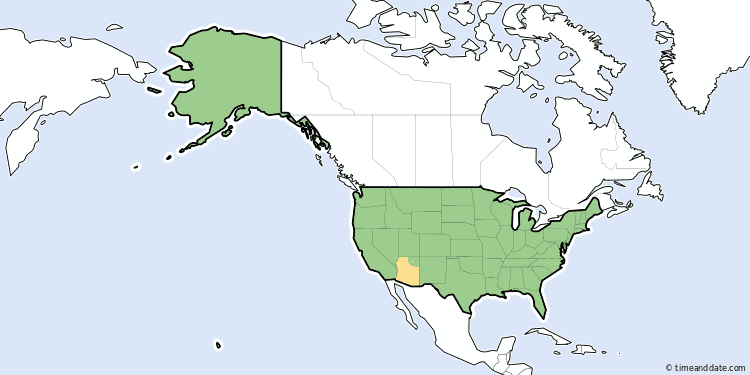
Source: www.timeanddate.com

Source: www.farmersalmanac.com
Practical Impacts of the 2027 Fall Back Change
- Restored hour: That Sunday you can sneak an hour more sleep or binge that extra episode guilt-free.
- Morning light: Days will feel lighter earlier in the morning but darker by the evening, affecting everything from commutes to outdoor plans.
- Health and mood: Studies suggest sudden shifts can disrupt your body clock, causing sluggishness or irritability, but the fall back is easier than spring’s spring forward (Wikipedia on DST in the U.S.).
How to Prepare for the 2027 Time Change?
Don’t just toss your clocks back at bedtime. Get strategic like a chess player eyeing the clock:
- Adjust your sleep schedule slowly throughout the week leading up to November 7.
- Limit screen time before bed; blue light muddles your natural rhythm.
- Double-check all manual clocks: ovens, microwaves, car dashboards (yes, you’ll be surprised).
- Remember to review your calendar and appointments to avoid being an hour early or late.
A Brief History Behind Your Clock’s Annual Flip
Daylight Saving Time has a fascinating backstory. George Vernon Hudson proposed the idea in 1895, but it wasn’t formally adopted until the World War I era to save precious energy. Since then, its status waxed and waned. Today, while some states have tossed it aside, most of the U.S. sticks to the gubernatorial rules (Britannica’s explanation on DST history).
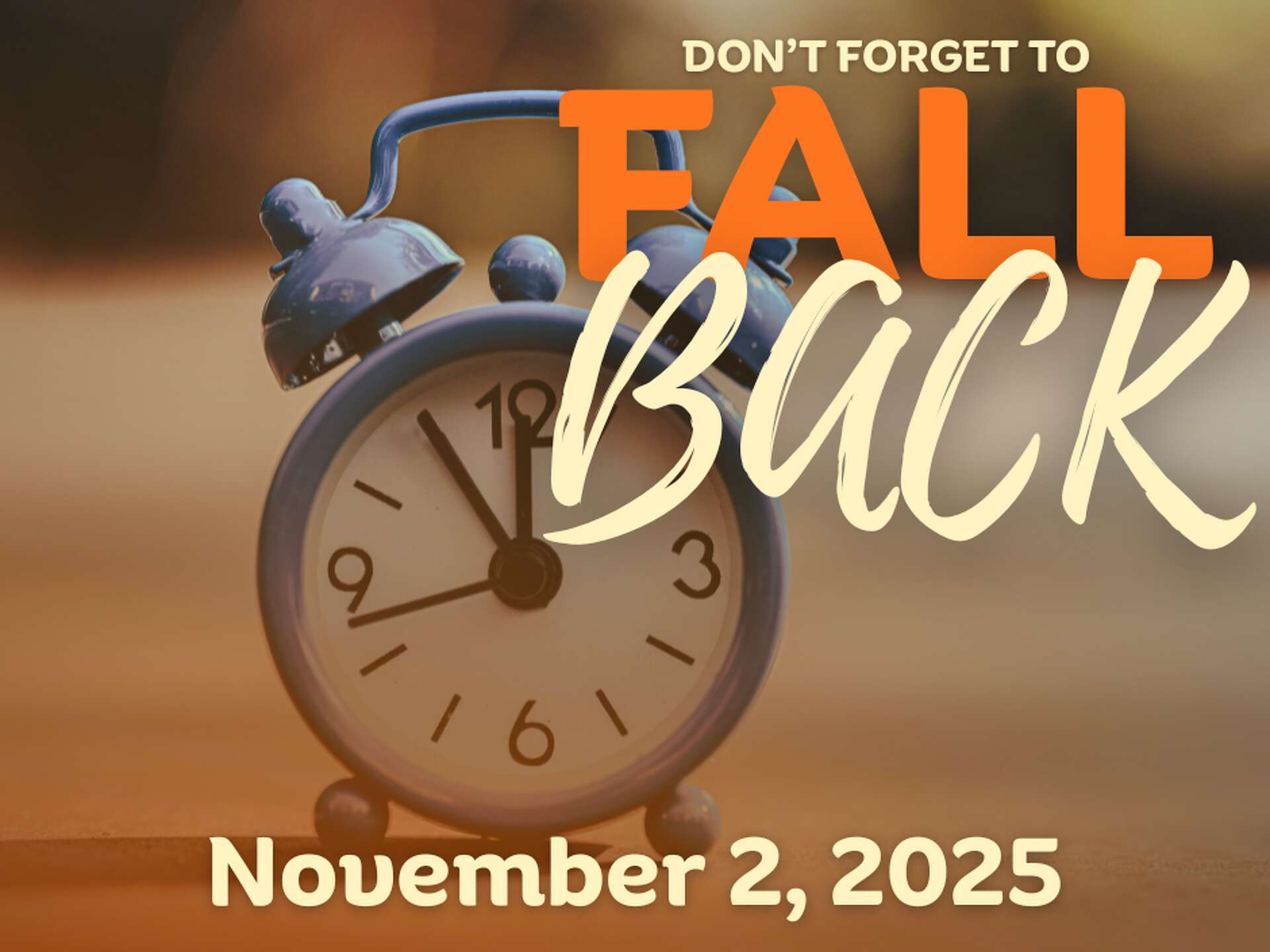
Source: www.ourmidland.com
By 2027, expect the traditional switch unless federal policy dramatically shifts — something that’s often debated but rarely decided.

Source: www.kiro7.com
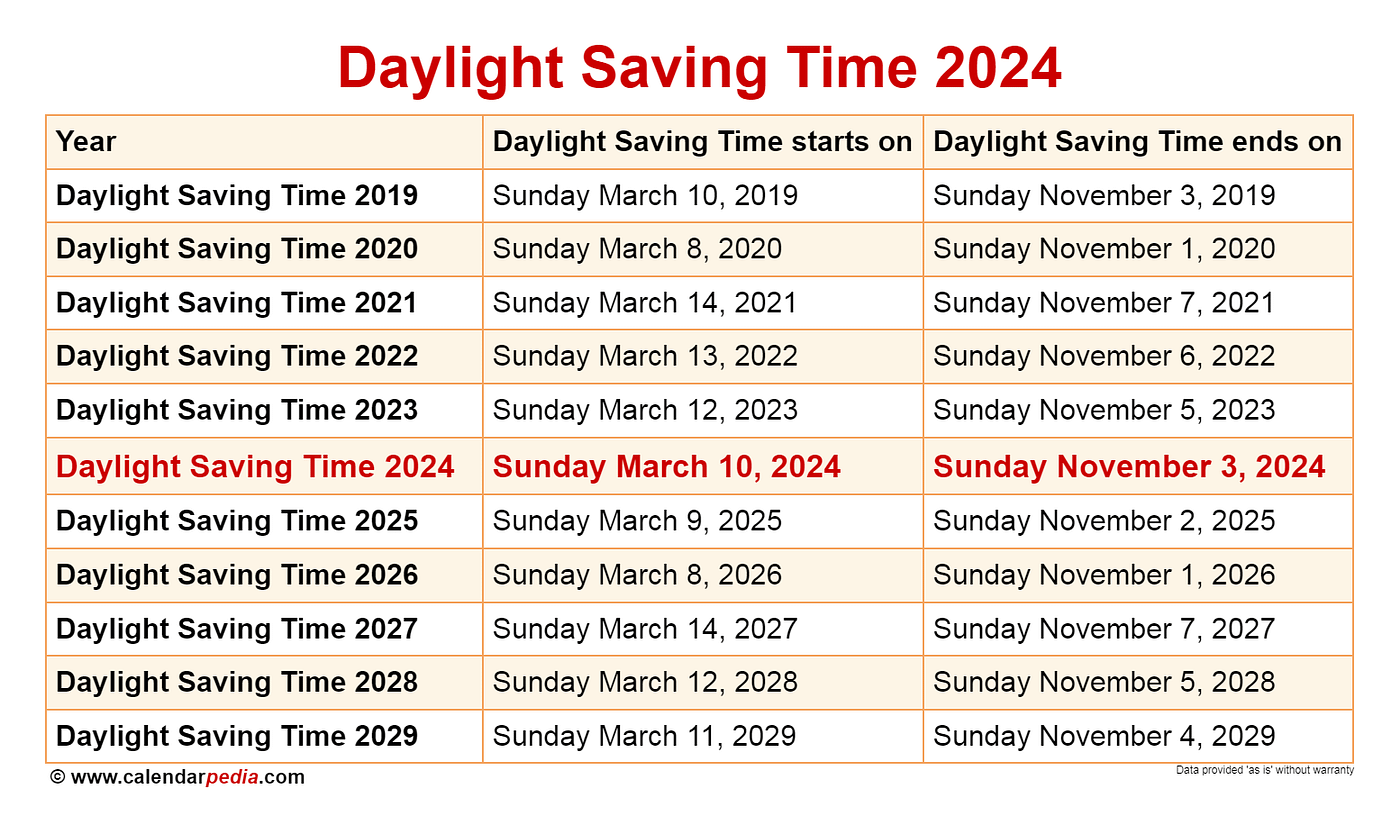
Source: digitalsurvivor.medium.com
FAQ About the Fall Back Time Change 2027
What day do clocks go back in 2027?
Clocks will fall back on Sunday, November 7, 2027, at 2:00 AM local time. That’s the official mark for the end of Daylight Saving Time in the U.S.
Why do we still use daylight saving time?
While controversial, DST aims to save energy by shifting daylight to match waking hours. However, its actual benefit is debated. Some regions are even considering abolishing it (Webexhibits on clock change history).
Will all U.S. states observe the 2027 fall back?
Most states participate, but exceptions like Arizona (excluding the Navajo Nation) and Hawaii do not observe DST, meaning they will not change clocks in 2027.
Is it better to change clocks before going to bed or at 2 AM?
Technically, the switch happens at 2:00 AM, but it’s easier to adjust clocks right before bed to avoid confusion come morning.
How can I minimize the impact of the time change on my body?
Gradually shifting your sleep schedule and getting morning sunlight helps reset your internal clock gently. Avoid heavy meals and stimulants close to bedtime.
Disclaimer: All dates and information are based on the most recently available official sources and are subject to change. Always verify with the official institution website for the most current details.