Cultivating Abundance: Your Late Summer Planting Blueprint for a Bountiful Harvest
Hey fellow plant enthusiasts and future green thumbs! Are you ready to elevate your garden game and squeeze every last drop of potential from the growing season? If you’ve ever felt like your gardening journey hits a wall after the initial spring rush, you’re in for a treat.

As an experienced gardener who’s seen my fair share of triumphs and (let’s be honest) a few plant-related dramas, I’ve learned that August isn’t just about lazy summer days. It’s a prime opportunity for savvy gardeners to strategize for fall harvests and extend the beauty of their outdoor spaces. This comprehensive August 2026 Gardening Calendar Planting Guide is designed to empower you with the knowledge and confidence to make your late summer garden thrive, ensuring you enjoy fresh produce and vibrant blooms well into autumn. Get ready to transform your garden from good to absolutely glorious!

Why August is Your Secret Weapon in the Garden
Many people think gardening winds down in August, but that’s a common misconception. This month offers a unique sweet spot for planting, especially for cool-season crops that will flourish as the intense summer heat begins to wane.
It’s the perfect time for succession planting, ensuring a continuous yield and fresh ingredients for your kitchen. By understanding what thrives in the shifting conditions of late summer, you can maximize your garden’s output and enjoy the fruits (and veggies!) of your labor longer. Think of it as a strategic pivot, preparing your plot for a bountiful autumn display.
Understanding Your Zone: A Crucial First Step
Before you even think about putting seeds in the soil, you need to know your USDA Hardiness Zone. This zone system helps you understand which plants are likely to survive the winter temperatures in your area. However, for an August planting guide, it’s equally important to consider your specific microclimate and average first frost date.
Knowing your zone and local conditions helps you select the right specific varieties that will have enough time to mature before colder weather hits. Local university extension offices or experienced Master Gardeners can provide invaluable regional advice.
Table 1: Regional August Planting Considerations by USDA Hardiness Zone
| USDA Zone Range | Typical August Climate | Key Planting Strategy for August 2026 |
|---|---|---|
| Zones 3-5 (Cool Temperate) | Cooling nights, shorter days; early fall approaching. | Focus on very fast-maturing crops like radishes, greens; protect from early frosts. |
| Zones 6-7 (Mid-Temperate) | Warm days, cooler nights; ideal for starting cool-season veggies. | Excellent for lettuce, spinach, kale, beets, carrots; extend harvest with covers. |
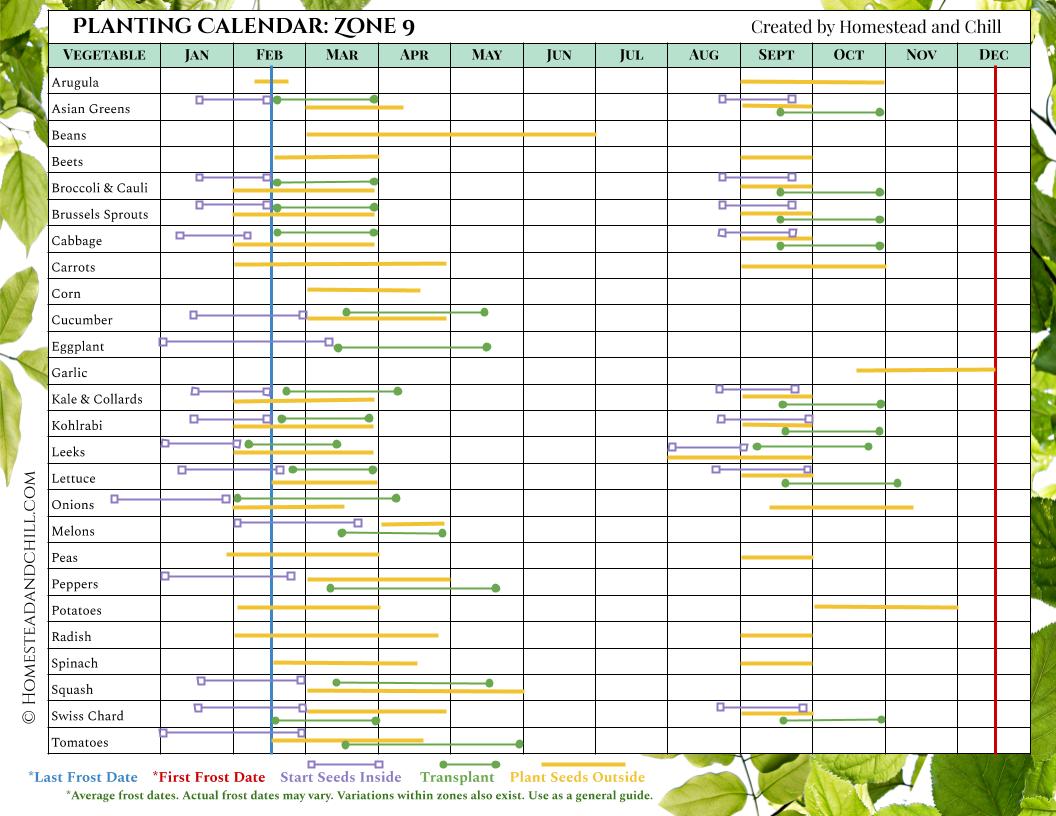
| Zones 8-9 (Warm Temperate) | Still hot, but gradually moderating; longer growing window. | Broccoli, cauliflower, peas, longer-season greens; succession planting is key. |
| Zones 10-11 (Subtropical/Tropical) | Hot and humid; possible rainy season. | Continue planting heat-tolerant herbs, tropical vegetables; prepare for dry season. |
What to Plant in August 2026: A Seasonal Deep Dive
August is a golden opportunity to get a second (or even third!) round of crops growing, especially those that prefer milder temperatures. Let’s explore the best choices for your bountiful garden this month.
Leafy Greens & Cool-Season Veggies
These are the MVPs of the late summer garden. They thrive in the cooling temperatures and often grow quickly, offering a fast return on your planting efforts. Direct sow them for best results, ensuring constant moisture for germination.
- Lettuce (Loose-leaf varieties): Quick to mature, tolerant of partial shade as temperatures stay high.
- Spinach: Loves cooler weather; plant heat-tolerant varieties for August.
- Kale: Hearty and nutritious, often becomes sweeter after a light frost.
- Swiss Chard: Beautiful, productive, and tolerant of a range of temperatures.
- Arugula: A fast-growing peppery green, perfect for continuous picking.
- Mustard Greens: Adds a zesty kick to salads and stir-fries; grows rapidly.
Table 2: August 2026 Planting Guide for Leafy Greens
| Crop | Best Varieties for August | Days to Maturity (Approx.) | Notes for August Planting |
|---|---|---|---|
| Lettuce | ‘Black Seed Simpson’, ‘Buttercrunch’, ‘Parris Island Cos’ | 30-50 days | Plant in partial shade if still very hot; keep soil moist. |
| Spinach | ‘Bloomsdale Long Standing’, ‘Tyee’, ‘Corvair’ | 35-50 days | Choose bolt-resistant types; benefits from well-amended soil. |
| Kale | ‘Lacinato (Dinosaur)’, ‘Red Russian’, ‘Blue Curled Scotch’ | 55-75 days | Hardy and productive; can tolerate light frosts, enhancing flavor. |
| Swiss Chard | ‘Bright Lights’, ‘Fordhook Giant’, ‘Silverado’ | 50-60 days | Vibrant and robust; tolerates both heat and light cold. |
| Arugula | ‘Rocket’, ‘Apollo’ | 20-40 days | Fast grower; plant small batches for continuous harvest. |
Root Vegetables for Fall Harvests
Root vegetables are another excellent choice for August sowing. They need time to develop underground, making late summer the ideal window to get them established before the chill of autumn fully sets in. Ensure your soil is loose and well-draining to allow for proper root development.
- Carrots: Sow directly into finely worked soil; choose shorter varieties for quicker harvests.
- Radishes: The ultimate fast food of the garden; ready in just a few weeks.
- Beets: You can harvest both the roots and the nutritious greens!
- Turnips: Another dual-purpose crop, offering both tasty roots and leafy tops.
Table 3: August Root Vegetable Planting Details
| Crop | Ideal Planting Depth & Spacing | Soil Requirements | Expected Harvest Window (from August planting) |
|---|---|---|---|
| Carrots | 1/4-1/2 inch deep, 2-3 inches apart | Loose, stone-free, well-drained loamy soil | October – Early November |
| Radishes | 1/2 inch deep, 1 inch apart | Rich, well-drained soil with consistent moisture | September |
| Beets | 1/2 inch deep, 3-4 inches apart | Fertile, well-drained soil (pH 6.0-7.0) | October – November |
| Turnips | 1/2 inch deep, 4-6 inches apart | Fertile, well-drained soil with good organic matter | October – November |
Herbs That Thrive in Late Summer
While many herbs prefer the heat, some enjoy the slightly cooler temperatures that August brings, or they can be planted for a fresh supply into fall. Consider planting these from seed or small starts.
- Cilantro: Tends to bolt in intense heat, but a late summer sowing can yield a good fall crop.
- Dill: Great for pickling and garnishes; also attracts beneficial insects.
- Parsley: Both flat-leaf and curly varieties do well and can overwinter in milder climates.
- Chives: Easy to grow from seed or division, providing fresh oniony flavor.
Flowers for Fall Beauty & Pollinators
Don’t forget the ornamental side of your garden! Late summer is perfect for planting flowers that will bring vibrant color and support pollinators into the fall season. Many of these can be started from seed or transplanted as small plants.
- Pansies & Violas: These cheerful annuals love cool weather and can provide continuous blooms.
- Calendula: Edible flowers and a natural pest deterrent; often self-seeds.
- Snapdragons: Can be planted from seeds or starts for a beautiful fall display.
- Chrysanthemums: While often bought as potted plants, some varieties can be planted for late-season color.
- Alyssum: Sweetly fragrant, low-growing, and attracts beneficial insects.
August Gardening Tasks: Beyond Just Planting
A successful August garden isn’t just about what you put in the ground. It’s also about consistent care and smart management. These tasks will ensure your existing plants remain healthy and your new plantings get the best start.
Watering Wisdom: Keeping Hydrated in the Heat
Consistent watering frequency is paramount in August, especially for newly planted seeds and seedlings. The sun can still be intense, and dryness is a plant killer.
Focus on deep, infrequent watering rather than shallow daily sprinkles. This encourages roots to grow deeper, making plants more resilient. Mulch generously around your plants to conserve soil moisture and regulate soil temperature. Consider drip irrigation for efficient water conservation.
Soil Health: Nurturing Your Foundation
Healthy soil is the bedrock of a productive garden. Before planting, amend your soil with plenty of compost and other organic matter. This improves drainage, aeration, and nutrient retention.
For existing plants, a side dressing of organic fertilizer or a compost tea can give them a boost. Regular soil testing can help you understand specific nutrient deficiencies and pH levels, allowing for targeted amendments.
Pest & Disease Patrol: Organic Solutions
Late summer can bring a resurgence of certain pests and diseases. Stay vigilant and inspect your plants regularly. Embrace organic pest control methods, such as hand-picking larger pests or using insecticidal soap for smaller infestations.
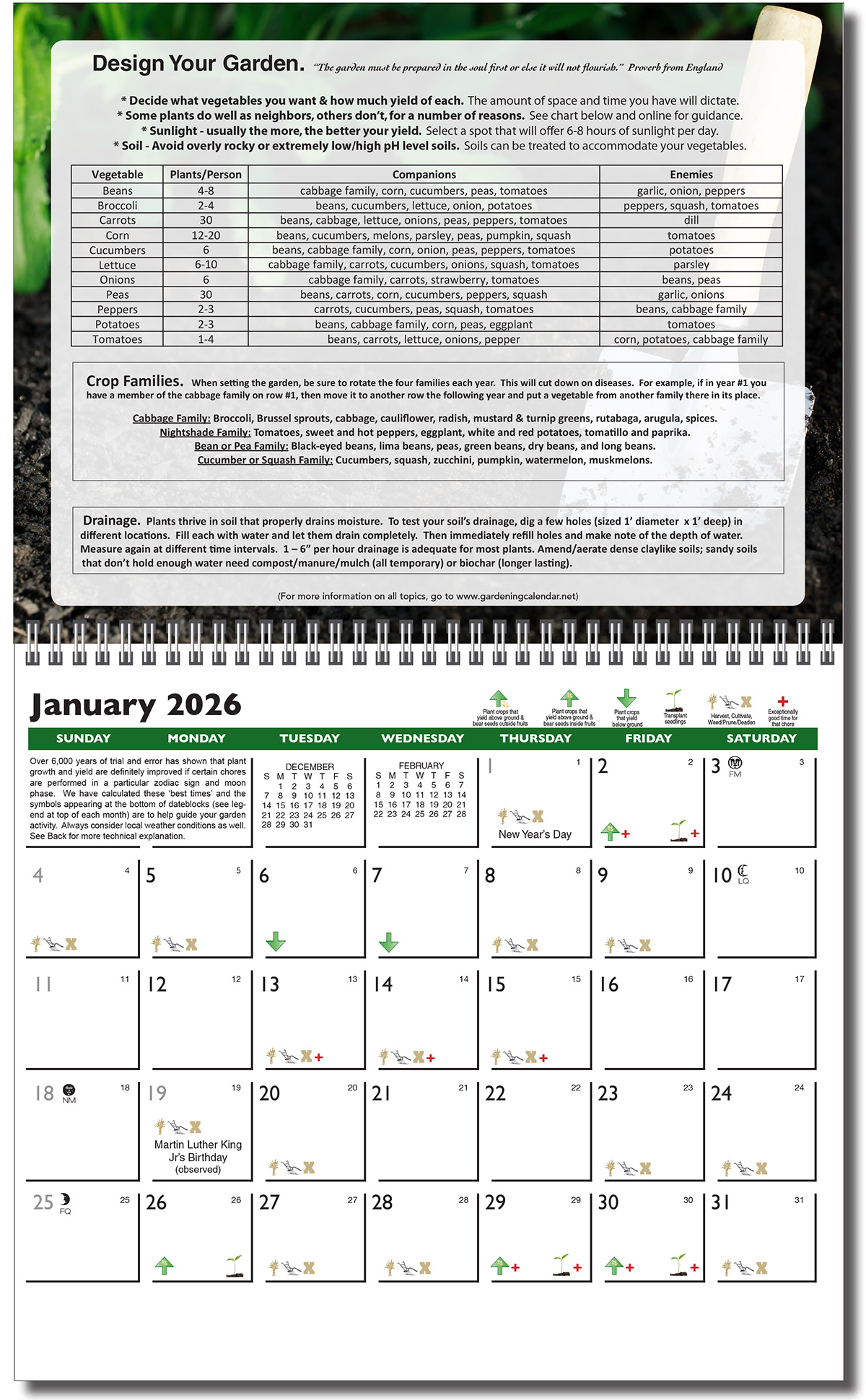
Companion planting can naturally deter pests and attract beneficial insects. Ensure good air circulation to prevent fungal diseases, and remove any diseased leaves promptly. Early detection is your best defense against major outbreaks.
Harvesting & Preserving Your Bounty
Keep harvesting ripe vegetables and fruits regularly. This encourages plants to produce more, extending your yield. Don’t let anything go to waste!
Consider methods like freezing, drying, or canning your surplus produce. August is an excellent time to prepare for a winter pantry full of your garden’s goodness. From fresh pesto to sun-dried tomatoes, the possibilities are endless.
Planning Ahead: Your Garden Journal
Now is a great time to start or update your garden journal. Document what you planted, when, and how it performed. Note any pest issues, successful strategies, or areas that need improvement.
This valuable resource will be your guiding star for future planting seasons. A garden journal helps you learn from your experiences and plan even better for the years to come, turning you into a truly expert gardener.
Level Up Your August Garden: Advanced Strategies for 2026
Ready to take your late summer gardening to the next level? These techniques can help you maximize space, extend your season, and increase your overall yields.
Succession Planting for Continuous Yields
This is where the magic happens for extended harvests. Instead of planting all your lettuce or radishes at once, sow small batches every 2-3 weeks. This staggered sowing ensures you have a continuous supply of fresh produce rather than a massive harvest all at once, followed by nothing.
For August, focus on quick-maturing crops like leafy greens and radishes for multiple rounds before frost. It’s a smart way to get the most out of your growing space.
Extending the Season: Row Covers & Cold Frames
If you’re in a cooler USDA Hardiness Zone (like 3-7), consider using row covers or cold frames as temperatures begin to drop in late September or October. These simple structures provide protection from early frosts, allowing your cool-season crops to continue growing for weeks, or even months, longer.
They trap warmth and shield plants from harsh winds, proving invaluable for extending your harvest season. Planning for these structures in August means you’re prepared when the weather eventually shifts.
Container Gardening for Small Spaces
No large backyard? No problem! Container gardening is a fantastic solution for urban dwellers, apartment balconies, or small patios. Many of the crops suitable for August planting, such as lettuce, spinach, radishes, and herbs, thrive in pots.
Choose appropriately sized containers with good drainage and fill them with high-quality potting mix. This method offers flexibility; you can easily move pots to optimize sun exposure or protect plants from adverse weather. It’s a modern and efficient way to grow your own fresh food.
Millennial Mindset: Sustainable & Savvy Gardening
For many of us, gardening is more than just a hobby; it’s a commitment to sustainability, self-sufficiency, and connecting with nature. Growing your own food means knowing exactly where your produce comes from and reducing your carbon footprint.
Embracing organic practices, minimizing waste, and supporting local ecosystems are core tenets of modern gardening. It’s about creating a personal oasis, fostering well-being, and enjoying the undeniable satisfaction of a meal made with ingredients you’ve lovingly cultivated. Your garden becomes a living pantry, a source of fresh flavors, and a testament to mindful living.
Frequently Asked Questions (FAQ)
Q: Can I plant tomatoes in August?
A: Generally, August is too late for planting new tomato plants in most temperate zones, as they require a long, warm growing season. However, in very warm climates (like USDA Zones 9-11) or if you are looking to plant a determinate, very fast-maturing variety for a potential late-fall harvest, it might be possible. Focus on existing plants for continued yields.
Q: What if I live in a hot climate (Zone 9+)? What can I plant?
A: In hot climates, August often means you’re still in peak summer heat. Focus on planting heat-tolerant crops like sweet potatoes, some varieties of beans, Southern peas, okra, and certain herbs like basil and rosemary. You can also start seeds indoors for cool-season crops like kale and broccoli, transplanting them once temperatures begin to cool significantly in late September or October. Shady spots are your friend.
Q: How often should I water my August garden?
A: Watering frequency depends on your climate, soil type, and specific plants. As a general guide, aim for deep watering 2-3 times per week, rather than shallow daily sprinkles. Always check the soil moisture before watering – stick your finger a few inches down. If it feels dry, it’s time to water. New seedlings will require more frequent, gentle watering.
Q: Is August too late to start a garden?
A: Absolutely not! While you might miss the window for some long-season crops like corn or pumpkins, August is a fantastic time to start a fall garden. As outlined in this guide, many leafy greens, root vegetables, and herbs thrive when planted in late summer. It’s an opportunity to extend your harvest and enjoy fresh produce well into autumn. Don’t miss out on this productive month!
Final Conclusion
August is far from the end of the gardening season; it’s a vibrant bridge between summer’s peak and autumn’s bounty. By leveraging this often-overlooked month, you can ensure a continuous supply of fresh, homegrown goodness, proving that your garden can truly be a year-round provider.
Embrace the challenge, apply these tips, and watch your efforts blossom into delicious rewards. Your commitment to sustainable practices and mindful cultivation will not only feed your body but also nourish your soul. This August 2026 Gardening Calendar Planting Guide is your trusted companion for a thriving, productive, and truly rewarding late summer garden experience. Happy planting!