Honouring the Anzac Spirit: A Millennial& ;s Guide to Reflection and Remembrance in 2026
As we approach Anzac Day 2026 Observance, a significant date in Australia and New Zealand’s shared calendar, many millennials are seeking meaningful ways to connect with its profound history and legacy. This isn’t just about a public holiday; it’s a day of deep Remembrance, reflection, and honouring the sacrifice of those who served. Understanding the Anzac spirit and how it resonates today is key to a truly impactful commemorative event.

For a generation often immersed in digital life, finding authentic ways to observe this national day can feel challenging. However, the core values of courage, resilience, and mateship remain as relevant as ever. Let’s explore how we can engage with Anzac Day 2026 Observance in a way that respects the past and inspires our future generations.
Understanding Anzac Day in the Modern Era
Anzac Day, celebrated annually on April 25th, marks the anniversary of the first major military action fought by Australian and New Zealand forces during World War I. This pivotal event at Gallipoli in 1915 forged a national identity and a spirit of resilience.
It’s a day dedicated to honouring all Australians and New Zealanders who served and died in wars, conflicts, and peacekeeping operations. We particularly remember the original Anzacs, but the observance extends to all veterans and service personnel.
The legacy of Anzac Day extends beyond wartime history. It encompasses themes of mateship, sacrifice, and the enduring quest for peace. For millennials, it’s an opportunity to connect with a powerful shared heritage and understand the foundations of our nations.
The Enduring Importance of Anzac Day
Why do we still observe Anzac Day with such solemnity and respect? It’s about ensuring the stories of the fallen are never forgotten. It’s also about acknowledging the immense human cost of conflict and promoting a culture of gratitude.
This commemorative event serves as a vital historical anchor, reminding us of critical lessons from the past. It fosters national pride not in war, but in the courage and camaraderie displayed by those who served.
Engaging with Anzac Day means understanding the profound impact of global events on individual lives. It encourages individual reflection on themes of duty, courage, and nationhood.
Planning Your Anzac Day 2026 Observance: Options for Every Millennial
Whether you prefer a traditional approach or a more personal one, there are many ways to pay tribute on Anzac Day 2026 Observance. From public ceremonies to quiet moments of reflection, each act of Remembrance holds significance.
This is your guide to navigating the various options available. Find the path that resonates most deeply with you.
Attending a Traditional Dawn Service
The Dawn Service is arguably the most iconic and poignant way to observe Anzac Day. It typically begins before sunrise, a sacred time chosen to reflect the landing at Gallipoli.
You can find details for local ceremonies through your local RSL branch or local councils. Major cities like Sydney, Melbourne, and Wellington host significant events at memorials like the Shrine of Remembrance.
Preparation is key: arrive early, dress warmly, and be prepared for large crowds. The silence during the Last Post and the laying of wreaths create a truly powerful atmosphere, a unique community spirit.
Virtual Remembrance: Connecting from Anywhere
In our increasingly connected world, digital commemorations offer an accessible way to participate in Anzac Day 2026 Observance. Many organisations, including the Australian War Memorial and DVA, provide online services and resources.
These platforms allow you to share family stories, access historical accounts, and connect with the Anzac spirit remotely. It’s a fantastic option for those who cannot attend physical events, ensuring inclusive events.
Consider participating in a virtual Dawn Service or watching a live stream. This still offers a deeply meaningful way to pay your respects and join the national consciousness from your home.
Personal Reflection and Education
Anzac Day is also a profound opportunity for personal learning and reflection. Visiting local memorial sites or war graves offers a tangible connection to the past.
Delve into military history through documentaries, books, or online archives. The Australian War Memorial provides extensive education resources suitable for all ages.
If you have younger family members, use this day to teach them about the meaning of sacrifice and courage. Sharing personal stories or exploring war stories from relatives can make history come alive.
The E-E-A-T of Anzac Day: Deepening Your Understanding
Engaging with Anzac Day isn’t just about attending a service; it’s about understanding its profound significance. Leveraging E-E-A-T (Experience, Expertise, Authoritativeness, Trustworthiness) helps us truly grasp its depth.
Experience: First-Hand Encounters and Community Spirit
My own experiences attending Dawn Services have been profoundly moving. Standing shoulder-to-shoulder with thousands at the Shrine of Remembrance in Melbourne, or a small country town memorial, the palpable sense of shared Remembrance is something you feel deep in your bones.
The quiet camaraderie, the collective silence, and the shared tears embody the true community spirit. Meeting veterans and hearing their stories, even brief exchanges, adds a layer of personal connection that makes the history tangible.
This direct experience solidifies the meaningful impact of the day. It transforms historical facts into living, breathing memories and emotions, fostering a deeper understanding of the Anzac tradition.
Expertise: Trusted Sources and Historical Context
To truly understand Anzac Day, rely on organisations with deep expertise. The Department of Veterans’ Affairs (DVA), the RSL, and the Australian War Memorial are primary sources for accurate historical information and context.
These institutions provide invaluable insights into the events of Gallipoli, the broader scope of military history, and the evolution of the Anzac spirit. Their resources help us understand the profound historical significance of the day.
Utilising their educational materials ensures you’re drawing from verified accounts, free from misinterpretation. This builds a solid foundation for your own understanding and ability to educate others.
Authoritativeness: Government & Reputable Organisations
The authoritativeness of organisations like the DVA, NZDF, and local councils is critical in upholding the integrity of Anzac Day tradition. They are responsible for coordinating official commemorative services and maintaining memorials.
These bodies ensure that protocols are observed and that the solemn observance is conducted with the utmost respect. Their guidance on appropriate conduct and symbolism is paramount for maintaining the dignity of the day.
When you see information or events endorsed by these organisations, you can trust their authenticity. This collective effort ensures that Anzac Day remains a powerful and unified national expression of Remembrance.
Trustworthiness: Perpetuating the Legacy with Integrity
Maintaining trustworthiness in our Anzac Day 2026 Observance means approaching the day with integrity and authenticity. It’s about respecting the sacrifices made and ensuring the stories are passed down accurately to future generations.
This involves critical engagement with narratives and avoiding commercialisation or trivialisation of the day’s meaning. The focus should always be on Remembrance and appreciation for the courage of service personnel.
By drawing from authoritative sources and engaging in respectful commemoration, we collectively contribute to a legacy that is both profound and enduring. Our actions help to perpetuate the true Anzac spirit.
Beyond the Ceremony: Active Remembrance in 2026
Anzac Day is not just a single day of Remembrance; it’s a call to ongoing action and reflection. How we carry the Anzac spirit forward throughout the year is equally important.
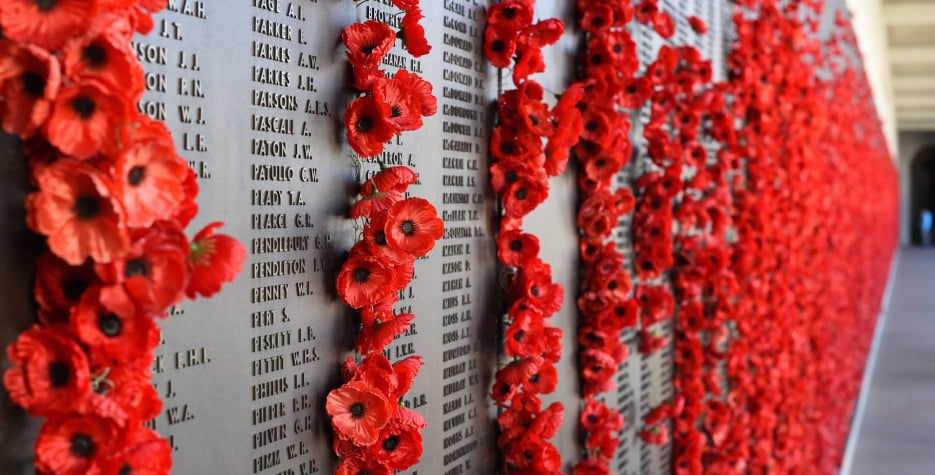
Supporting Our Veterans and Service Personnel
One of the most impactful ways to honour the Anzac legacy is by actively supporting veterans and their families. Organisations like the RSL and various veteran support services provide crucial assistance year-round.
Consider volunteering, donating, or simply reaching out to a veteran in your community. Small acts of gratitude can make a significant difference, showing appreciation beyond the April 25th commemorative event.
Understanding the ongoing challenges faced by those who have served, including mental health and reintegration, is vital. Your support helps ensure their continued well-being and honours their sacrifice.
Preserving Stories and Shared Heritage
Each veteran has a unique story, a piece of our military history. Take the time to document family stories or oral histories from older relatives or community members. These personal stories are invaluable.
Visit historical sites beyond memorials, such as museums or battlefields (virtually or in person if possible). Engaging with these places deepens your understanding of past events and the context of their service.
Contributing to archives or local historical societies helps preserve these narratives for future generations. This active role in storytelling ensures that the richness of our shared heritage endures.

The Role of Youth and Technology in Commemoration
Engaging youth engagement in educational programs is essential for keeping the Anzac spirit alive. Schools often play a crucial role, but families can also initiate discussions at home about courage and sacrifice.
Technology offers innovative ways to connect. Utilise social media platforms for respectful sharing of information, historical accounts, and personal reflections. Create digital tributes or participate in online services.
Virtual tours of memorial sites like the Australian War Memorial or even Anzac Cove can provide an immersive learning experience for young people. This blending of tradition with modern tools ensures continued relevance.
Anzac Day 2026 Observance at a Glance: Key Statistics & Dates
As we prepare for Anzac Day 2026 Observance, here’s a look at some relevant statistics and information that underscore its significance and the enduring commitment to Remembrance.
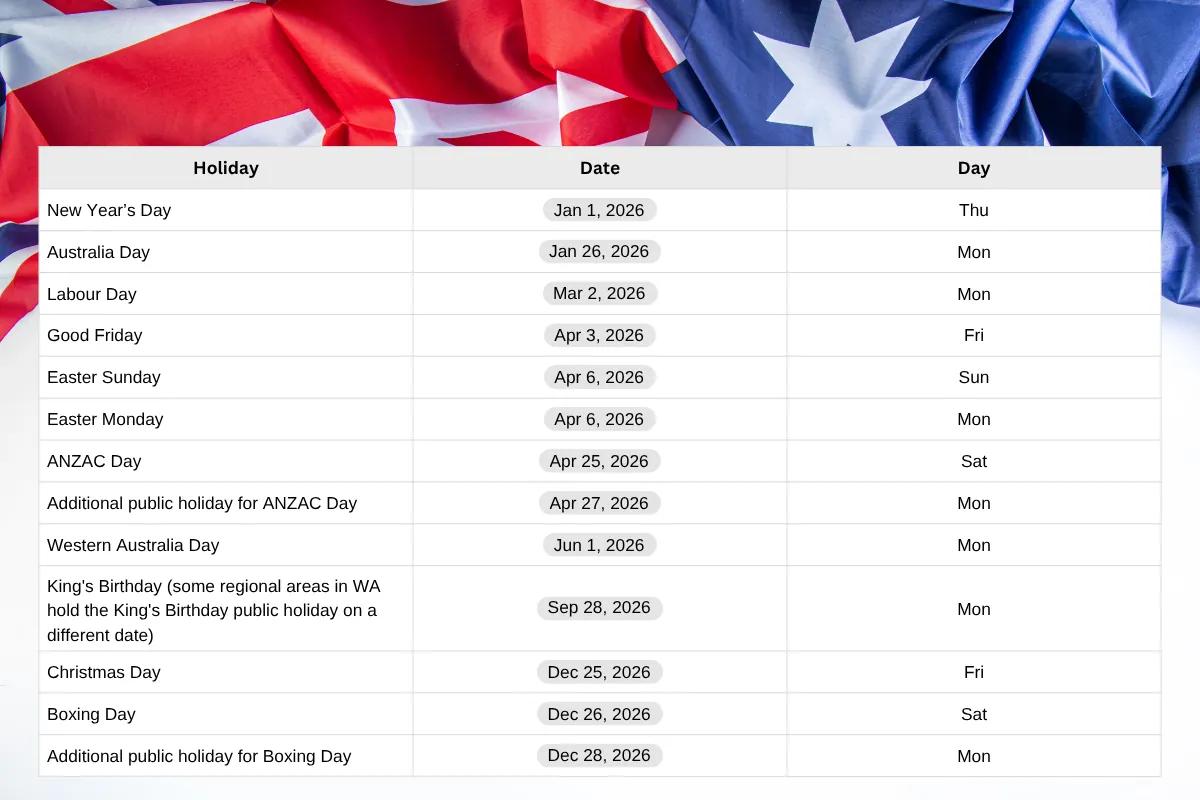
| Category | Details/Statistics (Estimated for 2026 Planning) | Source/Context |
|---|---|---|
| Date of Observance | Friday, April 25th, 2026 | Annual National Public Holiday |
| Expected Dawn Service Attendance (Major Cities) | ~40,000+ (Sydney, Melbourne) | Based on historical attendance figures and public interest in commemorative services |
| Veterans & Service Personnel (Australia) | ~320,000 veterans & current serving personnel (Estimate) | DVA & Department of Defence data, highlighting ongoing support needs |
| Anzac Day Commemorative Grants | Over $5 million allocated annually | DVA funding for community commemorative event planning & memorial upkeep |
| Number of RSL Sub-Branches (Australia) | ~1,200+ | Reflects extensive community participation and local Remembrance efforts |
| Key Memorials (Australia & NZ) | Australian War Memorial, Shrine of Remembrance, Pukeahu National War Memorial | Primary sites for national observance and tribute |
These figures highlight the widespread nature of Anzac Day 2026 Observance and the robust infrastructure supporting Remembrance. They underscore the collective effort to honour sacrifice and maintain national consciousness.
Frequently Asked Questions about Anzac Day 2026 Observance
What is the significance of Anzac Day?
Anzac Day is profoundly significant as it commemorates the bravery and sacrifice of Australian and New Zealand forces at Gallipoli in 1915, and all who have served since. It’s a day of Remembrance for the fallen and a celebration of the Anzac spirit of mateship and resilience, forming a crucial part of our national identity.
How can I best observe Anzac Day 2026 if I can’t attend a service?
If you can’t attend a physical Dawn Service or parade, you can still participate meaningfully. Consider watching an online service broadcast by the Australian War Memorial or DVA. You can also have a moment of personal reflection at home, read a war story, or explore education resources about military history. Wearing a rosemary sprig or a poppy is another respectful gesture.
What are the main traditions associated with Anzac Day?
Key traditions include the Dawn Service, where people gather before sunrise for a solemn ceremony, often featuring the Last Post, a minute’s silence, and wreath laying. Marches by veterans and service personnel are also common. Many people wear rosemary (for Remembrance) and poppies (symbolising sacrifice) and reflect on the ode of Remembrance.
How can millennials connect with Anzac Day’s meaning?
Millennials can connect by engaging with the day’s themes of resilience, courage, and community spirit, which are timeless. Utilise digital resources for learning, share respectful personal stories or historical accounts online, and support veteran support services. Understanding the human stories behind the history makes it more relatable and meaningful.
Is Anzac Day a public holiday?
Yes, April 25th is a public holiday in both Australia and New Zealand. This allows widespread community participation in commemorative services and provides an opportunity for individuals to engage in personal Remembrance and reflection.

Conclusion: Perpetuating the Anzac Legacy in 2026 and Beyond
The Anzac Day 2026 Observance offers a unique opportunity for millennials to engage with a pivotal part of our national identity. It’s a chance to move beyond passive observation and actively participate in a shared act of Remembrance.
By understanding the legacy of courage, sacrifice, and mateship, we contribute to its enduring power. Whether through attending a Dawn Service, engaging in virtual remembrance, or dedicating time to education, your participation is vital. Let’s ensure the Anzac spirit continues to inspire future generations.