From Founding Fathers to Federal Fun: Unpacking Presidents& ; Day
Hey millennials, ever wondered why you get a day off in February that feels a little… ambiguous? Is it George Washington’s birthday? Abraham Lincoln’s? Or just an excuse for epic sales? Let’s dive deep into the fascinating History Of Presidents Day Federal Holiday and explore its evolution from a solemn tribute to a modern-day observance.
This isn’t just about dates and dusty historical facts. It’s about how a nation chooses to honor its leaders, redefine its national traditions, and even how we, as a generation, engage with our collective past. Understanding the roots of this federal holiday can offer a fresh perspective on American identity and the figures who shaped it.
The Genesis: Honoring a Revolutionary Legacy
Our story begins with one of America’s most revered figures: George Washington. Born on February 22, 1732, the first President of the United States quickly became a symbol of liberty and leadership. His birthday was unofficially celebrated even during his lifetime, a testament to his immense popularity and the profound impact he had on the nascent nation.
These early observances were often local and spontaneous, marked by parades, speeches, and patriotic gatherings. It was a time for communities to come together and reflect on the values he embodied. The desire to formally honor his contributions grew steadily throughout the 19th century.
Making It Official: The Federal Holiday Declaration of 1879
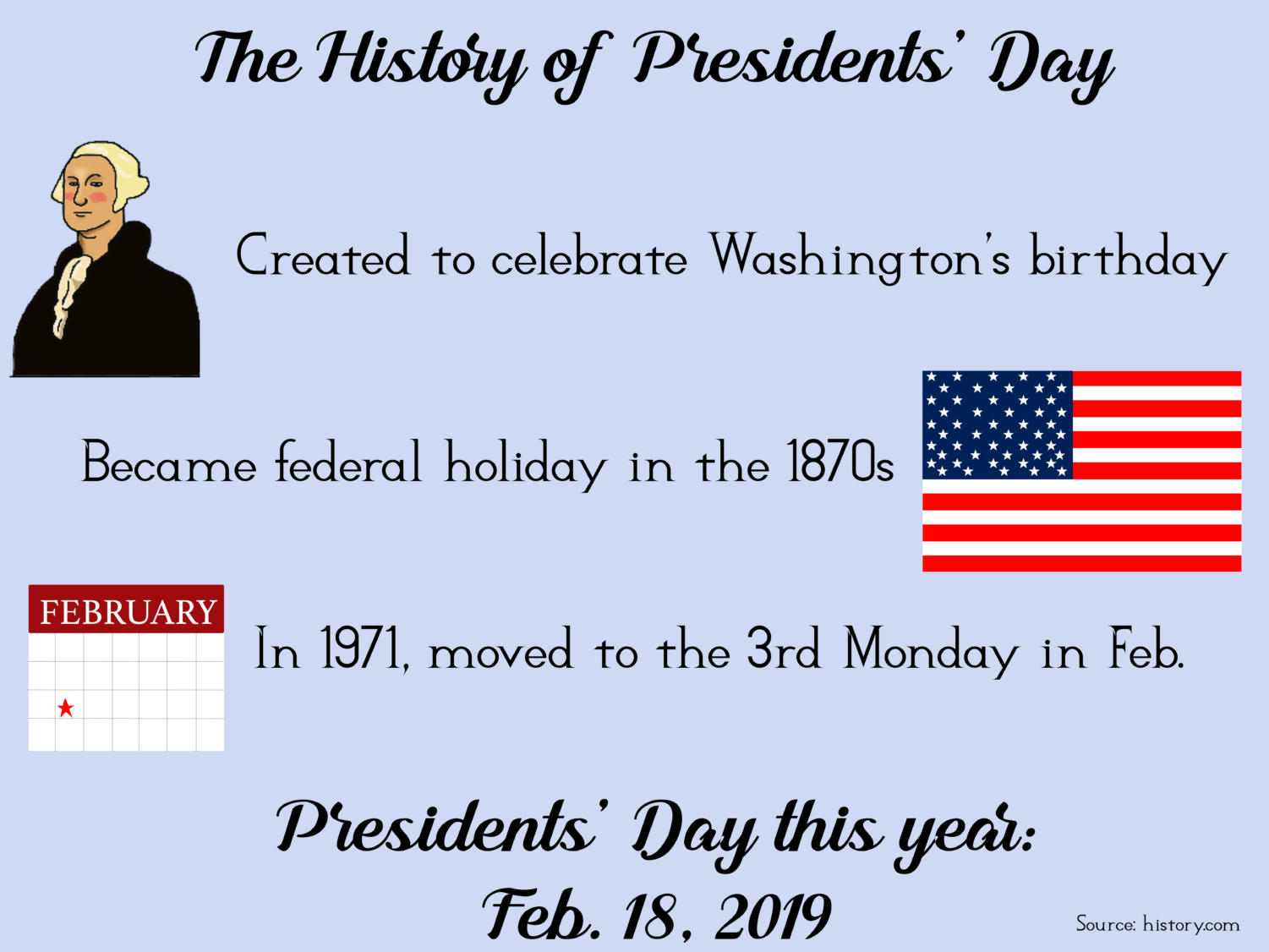
The push for a national recognition for Washington culminated in 1879. That year, Congress officially declared Washington’s Birthday a federal holiday. This landmark decision made it the first federal holiday to honor an American citizen, setting a powerful precedent.
Initially, this federal holiday applied only to government offices in Washington D.C. However, its significance was quickly recognized. By 1885, its observance expanded to all federal offices across the United States. This move cemented its status as a widespread national observance.
The original date for this annual celebration was fixed as February 22nd. For decades, Americans proudly commemorated George Washington on this specific date. It became a day for schools, banks, and other institutions to close, allowing for ceremonial reflection and patriotic displays.
The Great Shift: Lincoln’s Legacy and the Uniform Monday Holiday Act
As the 19th century progressed into the 20th century, another monumental figure emerged in American consciousness: Abraham Lincoln. Born on February 12, 1809, Lincoln’s leadership during the Civil War and his efforts to preserve the Union made him an equally revered American leader. Many states began to individually observe Lincoln’s Birthday, creating a patchwork of state holidays.
While not a federal holiday like Washington’s, Lincoln’s Birthday held significant cultural weight. People recognized his immense contributions to American history and the fight for civil rights. The idea of combining these two great presidents’ celebrations began to subtly emerge.
The Uniform Monday Holiday Act of 1971: A Game Changer
Fast forward to the late 1960s, a period of significant social and political change. Congress sought to create more three-day weekends for federal employees. The motivation was to boost travel and retail, while also streamlining holiday observances.
The result was the Uniform Monday Holiday Act of 1968. This transformative legislation aimed to shift several federal holidays from their traditional calendar dates to specific Mondays. The goal was to provide a predictable structure for national breaks.
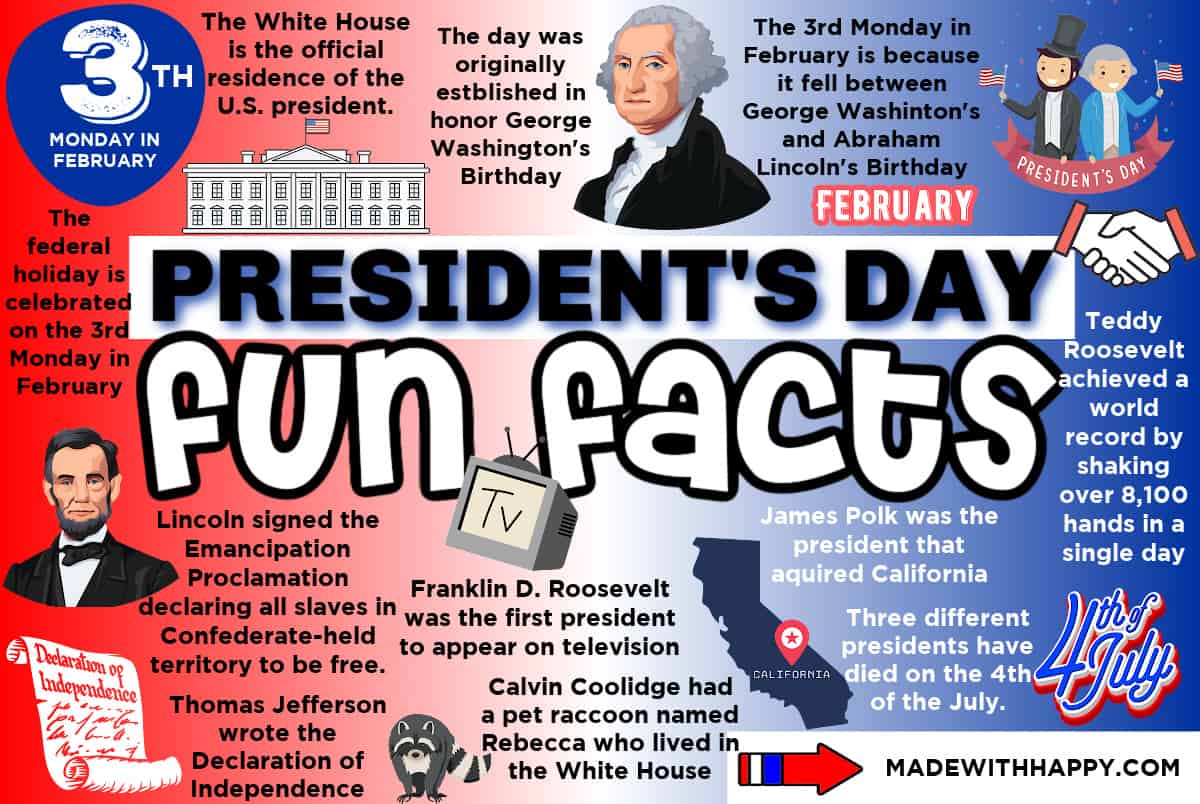
When the Act took full effect in 1971, Washington’s Birthday was officially moved. Instead of being celebrated on the fixed date of February 22nd, it would now be observed on the third Monday in February. This change brought it into proximity with Lincoln’s original birthday.
The Birth of “Presidents’ Day” (Unofficially)
Here’s where the term “Presidents’ Day” truly entered the public lexicon. While the official name of the federal holiday remains “Washington’s Birthday,” the proximity to Lincoln’s birthday (February 12th) and the broader push to recognize all US presidents led to a popular re-branding.
The intention behind the Uniform Monday Holiday Act wasn’t explicitly to create “Presidents’ Day.” However, public perception quickly adapted. Retailers, eager to capitalize on the extended weekend, began advertising “Presidents’ Day Sales.” Schools often adopted the inclusive name for their curricula, focusing on presidential achievements across the board.
The shift underscored an evolving understanding of American leadership. It expanded the focus beyond just two figures, encouraging reflection on the collective legacy of all presidents. This broadened national observance became a unique characteristic of the holiday’s modern form.
Presidents’ Day vs. Washington’s Birthday: A Tale of Two Names
The name game can be confusing, right? Officially, the federal law still refers to the holiday as Washington’s Birthday. You won’t find “Presidents’ Day” in the U.S. Code. Yet, for most Americans, especially millennials, it’s definitively “Presidents’ Day.”
This discrepancy highlights an interesting aspect of public perception and cultural adoption. The informal name, driven by popular usage and commercial interests, has largely eclipsed the official designation. It’s a prime example of how language evolves in tandem with societal trends.
State-Level Variations: A Patchwork of Observances
Adding another layer of complexity, individual state holidays also vary. While the federal holiday provides a baseline, some states maintain unique observances. For instance, some states specifically honor Abraham Lincoln, while others might celebrate other figures like Thomas Jefferson.

Source: https://assets.realclear.com
For example, in Illinois, Lincoln’s home state, Lincoln’s Birthday is still observed as a separate holiday. This regional diversity enriches the tapestry of how the nation commemorates its leaders. It reflects a balance between national unity and local pride.
Despite these variations, the overall sentiment remains consistent: a day to recognize the leadership and contributions of those who have held the nation’s highest office. This traditional yet evolving aspect is a hallmark of American history.
More Than Just a Day Off: The Meaning and Evolution
Beyond the sales and the long weekend, Presidents’ Day holds profound meaning. It’s a time for commemorative reflection on the principles of democracy and the role of leadership. It allows us to step back and appreciate the foresight and struggles of past leaders.
The holiday encourages a deeper dive into American history. It’s an opportunity for citizens, young and old, to learn about the challenges faced by presidents and the decisions that shaped the nation. This educational component is vital for fostering informed citizens.
Celebrating Presidential Achievements and Civic Duty
The holiday serves as an annual reminder of the presidential achievements that have defined the country. From establishing foundational institutions to navigating global conflicts, presidents have guided the nation through countless pivotal moments. It’s a moment to honor their service.
It also subtly reinforces the idea of civic duty. By acknowledging those who have served, the holiday inspires citizens to engage with their communities and uphold democratic values. It fosters a sense of national pride and shared responsibility for the nation’s future.
Ultimately, Presidents’ Day is a symbolic recognition of the continuous journey of the American experiment. It’s a day to reflect on the past, appreciate the present, and consider the future trajectory of the nation under its elected leaders.
From Solemn Observance to Retail Extravaganza
If you’ve ever found yourself browsing furniture or car deals on the third Monday in February, you’re experiencing the modern evolution of the holiday. The rise of Presidents’ Day sales is an undeniable part of its contemporary identity.
Retailers quickly seized on the extended weekend created by the Uniform Monday Holiday Act. What better way to encourage consumer spending than to associate sales with a patriotic, three-day break? This commercialization has become a significant aspect of the holiday.
The Debate: Commercialization vs. Commemoration
The prominence of retail sales often sparks debate. Some argue that the commercialization detracts from the historical and commemorative spirit of the day. They suggest that focusing on discounts overshadows the important task of honoring American leaders.
Others argue that it’s simply a modern adaptation. The holiday still provides a respite, allowing people to spend time with family or pursue personal errands. The sales, in this view, are just another layer of how Americans choose to observe public holidays.
For millennials, it’s often a blend. We appreciate the day off, whether for relaxation, family time, or to shop (sales) for a new gadget. However, there’s also an increasing awareness and desire to understand the deeper meaning behind these national observances.
Presidential Milestones: A Look at Key Dates and Observances
Let’s put some numbers and facts on the table to illustrate the journey of this federal holiday. Understanding the timeline helps piece together the narrative.
Table 1: Evolution of the Federal Holiday
| Year | Event/Legislation | Significance |
|---|---|---|
| 1800 | First congressional commemoration of George Washington’s birthday | Informal recognition, setting a tradition. |
| 1879 | Congress declares Washington’s Birthday a federal holiday | Becomes the first federal holiday honoring an American citizen. |
| 1885 | Holiday expands to all federal offices | Nationwide observance solidifies its status. |
| 1968 | Passage of the Uniform Monday Holiday Act | Aimed to create more three-day weekends for federal employees. |
| 1971 | Uniform Monday Holiday Act takes effect | Washington’s Birthday officially moved to the third Monday in February. Popularly becomes Presidents’ Day. |
Table 2: Presidents’ Day Observance & Impact
| Category | Traditional Observance | Modern Impact |
|---|---|---|
| Government & Services | Closure of federal offices, banks, postal service. | Continues, emphasizing the federal holiday status. |
| Education | Schools often close; focus on American history, founding fathers. | Educational programs, discussions on presidential achievements. |
| Commerce | Limited commercial activity historically. | Major retail sales, especially for big-ticket items. |
| Civic Engagement | Parades, speeches, historical reenactments. | Encourages reflection on national unity and civic duty. |
| Public Perception | Commemoration of George Washington (and later Lincoln). | Broader recognition of all US presidents and their legacies. |
The Future of Presidents’ Day: What’s Next for This Modern Observance?
As we navigate a rapidly changing world, the relevance of Presidents’ Day continues to evolve. In an era where historical figures are often re-evaluated, the holiday provides a vital anchor to the past.
It remains a significant day for educational institutions to educate students about the complexities of American leadership. Discussions can extend beyond just Washington and Lincoln to encompass a diverse array of US presidents and their varied contributions.
Reflecting on Leadership in a Diverse Nation
The holiday serves as an opportunity to reflect on what constitutes effective leadership today. It prompts questions about representation, justice, and the ongoing pursuit of a more perfect Union. This introspective element makes the holiday particularly potent.
It can also be a springboard for examining contemporary political challenges and how they connect to historical precedents. Understanding the past helps us better analyze and address the issues of the present. This makes the commemorative aspect both timeless and timely.
Presidents’ Day, therefore, isn’t just a static relic of the past. It’s a living, breathing tradition that continues to shape our understanding of leadership, history, and national identity. Its symbolic weight remains profound.
Deep Dive into Specific Presidents (Beyond the Big Two)
While George Washington and Abraham Lincoln are undeniably central to the History Of Presidents Day Federal Holiday, the spirit of “Presidents’ Day” encourages us to consider the contributions of all US presidents. Each leader faced unique challenges and left their own indelible mark on the nation.
From Thomas Jefferson’s vision for westward expansion to Franklin D. Roosevelt’s leadership during the Great Depression and World War II, every president adds a layer to the rich tapestry of American history. Even lesser-known presidents contributed to the continuous development of the nation’s laws, infrastructure, and international standing.
Taking time to learn about these diverse contributions fosters a more comprehensive understanding of the presidency as an institution. It moves beyond individual hero worship to appreciate the enduring system of governance established by the founding fathers.
Frequently Asked Questions About Presidents’ Day
-
Is Presidents’ Day an official federal holiday?
Yes, but officially, the federal holiday is still designated as “Washington’s Birthday” in the U.S. Code. “Presidents’ Day” is the widely adopted popular name, reflecting a broader commemoration of US presidents.
-
Why is Presidents’ Day on a Monday?
It was moved to the third Monday in February by the Uniform Monday Holiday Act of 1971. This act aimed to create more three-day weekends for federal employees and streamline holiday observances.
-
Which presidents are we celebrating on Presidents’ Day?
While originally established for George Washington, the popular “Presidents’ Day” title is generally understood to honor all past US presidents, particularly Abraham Lincoln due to his nearby birthday.
-
Are banks and postal services closed on Presidents’ Day?
Yes, as a federal holiday, most government offices, banks, and the U.S. Postal Service are closed. Private businesses and schools may vary in their observance.
-
What is the significance of the holiday for millennials today?
For millennials, it’s a blend of enjoying a day off, reflecting on American history, and understanding the evolution of leadership. It’s a chance to consider civic responsibility and the continued relevance of past leaders.
Final Conclusion: A Day for Reflection and Renewal
The History Of Presidents Day Federal Holiday is a compelling narrative of evolving tradition, legislative change, and shifts in public perception. What began as a tribute to one foundational leader has grown into a multifaceted national observance.
Today, it stands as a unique American holiday. It balances solemn historical reflection with modern-day retail events. It’s a day to remember the profound impact of figures like George Washington and Abraham Lincoln, while also acknowledging the collective legacy of all US presidents.

So, the next time the third Monday in February rolls around, whether you’re enjoying a well-deserved break, scoring a great deal, or simply reflecting on the journey of this nation, remember the rich and complex history that underpins this special federal holiday. It’s more than just a day off; it’s a testament to the enduring American spirit.