Hey globe-trotters and aspiring German residents! Are you ready to dive into the vibrant culture and strategic planning that comes with living, working, or traveling in Germany? May is often hailed as one of the best months to experience this incredible country, thanks to its generally pleasant weather and, crucially, a generous sprinkling of public holidays. Understanding the nuances of the Public Holidays In Germany May 2026 Explained is key to unlocking amazing long weekends and truly immersing yourself in local life.
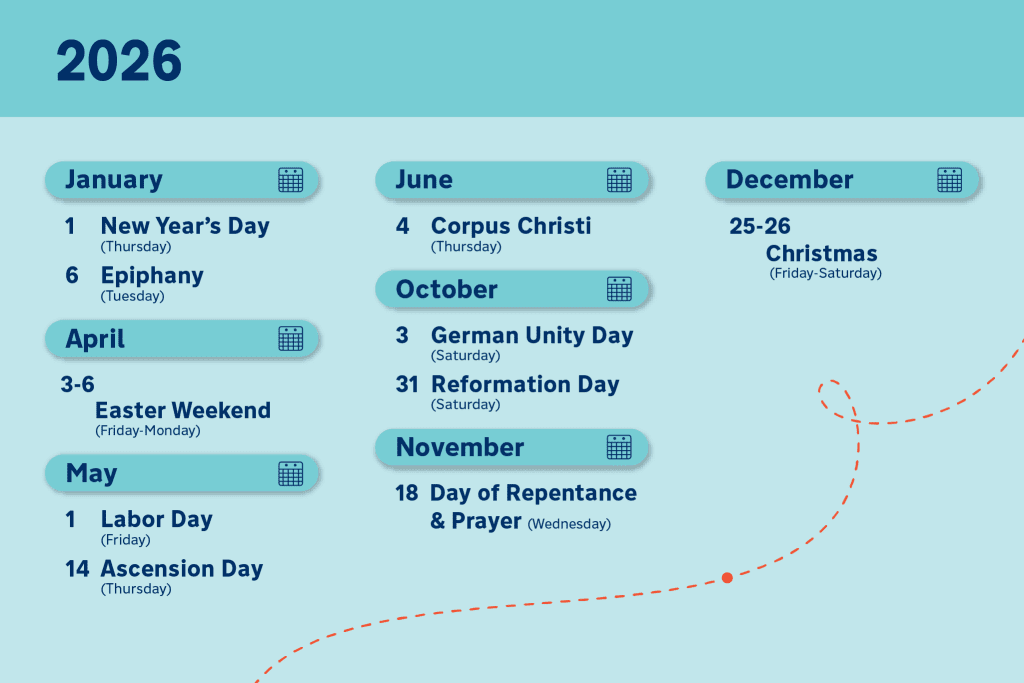
This comprehensive guide is tailor-made for you – the curious millennial looking to plan epic adventures, navigate work schedules, or simply appreciate the German way of life. We’ll break down every important date in May 2026, explain the significance, and give you insider tips on how to make the most of these special days. From the historical roots of Labour Day to the spiritual journey of Ascension and Pentecost, prepare to become a pro at enjoying Germany’s May.
Decoding Germany’s Public Holiday System
Germany’s holiday calendar isn’t as straightforward as some other countries. It’s a fascinating mix of national observance and regional autonomy. This dual system means that while some dates are celebrated nationwide, others are unique to specific federal states (Länder).
National vs. Regional: A Quick Overview
Understanding the distinction between national holidays and regional holidays is crucial for effective planning. A handful of holidays are observed across all 16 German federal states, meaning everyone gets the day off, and most businesses close. However, individual states have the power to designate additional public holidays, often rooted in historical or religious traditions specific to that region.
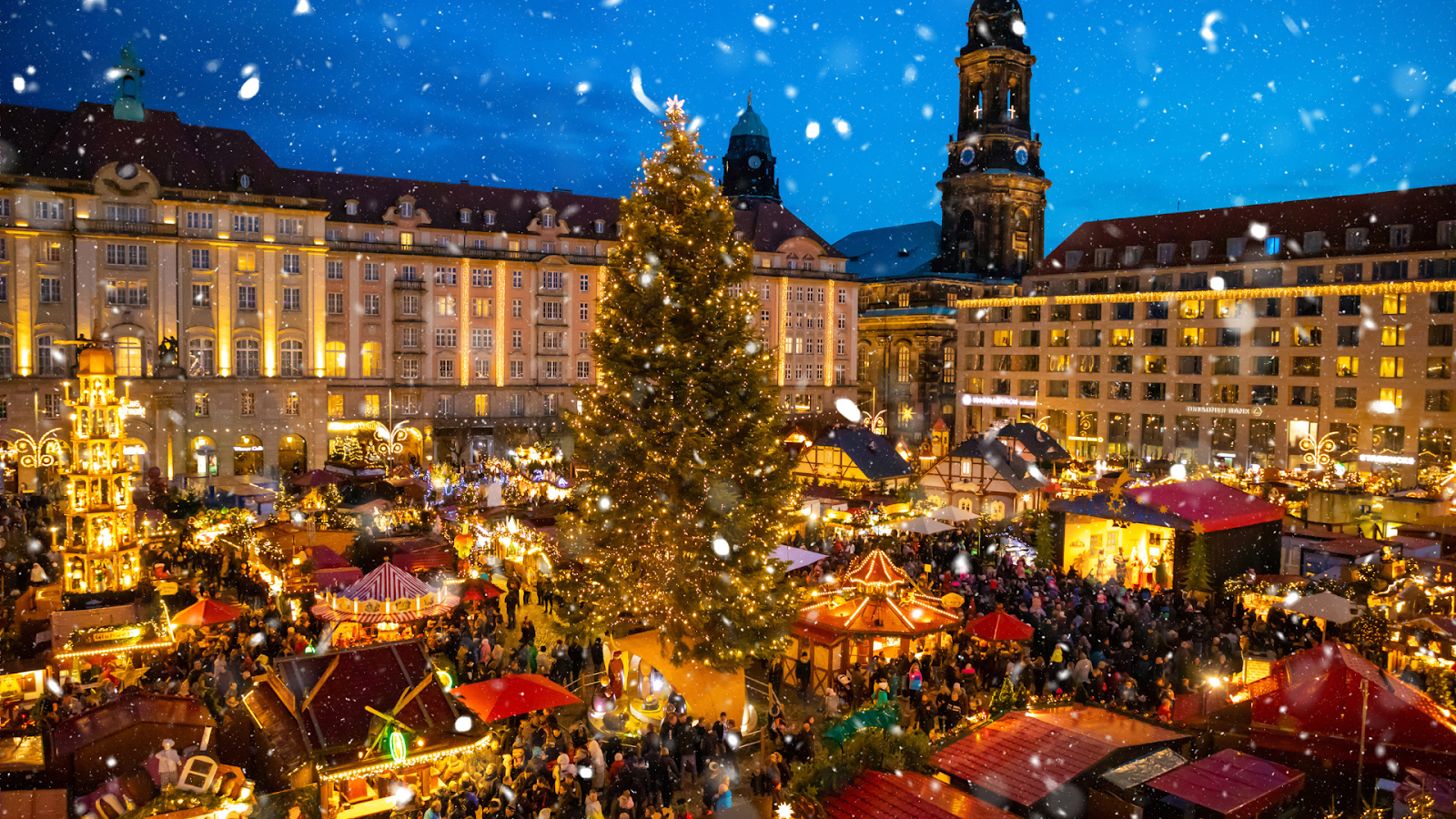
This means your holiday experience can vary significantly depending on where you are in Germany. For May 2026, we’re lucky, as all the major observances are either national or very widely celebrated. Always double-check your specific state’s calendar, especially if you’re exploring the more religiously conservative southern states.
Fixed vs. Movable Holidays
Another layer to Germany’s holiday system is the difference between fixed holidays and movable holidays. Fixed holidays, like New Year’s Day or Labour Day, always fall on the same calendar date each year. They are predictable and easy to remember.
Movable holidays, on the other hand, are tied to the Christian liturgical calendar, specifically Easter. These dates, such as Ascension Day and Pentecost, shift annually depending on when Easter Sunday falls. For May 2026, these movable feasts play a significant role in creating those coveted long weekends.
The Core of May 2026: Unpacking Each Public Holiday
May 2026 is particularly generous with public holidays, offering several opportunities for extended breaks. Let’s break down each one, so you know exactly what to expect and how to prepare.
May 1st: Tag der Arbeit (Labour Day)
Tag der Arbeit, or Labour Day, is a universal public holiday observed across all of Germany. It falls on Friday, May 1st, 2026, giving everyone a fantastic start to the month with a built-in three-day weekend. This holiday has deep historical roots, commemorating the struggle for workers’ rights and fair labor conditions.
While it can be a day for political demonstrations and union rallies in larger cities, many Germans also use it as an opportunity for peaceful protests, community gatherings, or simply enjoying the spring weather. Parks fill up with people having picnics, and families often embark on their first spring excursions. Expect shops and most businesses to be closed, so plan your groceries and errands accordingly on Thursday, April 30th.
May 14th: Christi Himmelfahrt (Ascension Day) & Father’s Day
Fast forward a couple of weeks, and we hit another national public holiday: Christi Himmelfahrt, or Ascension Day. In 2026, this significant Christian holiday falls on Thursday, May 14th. This movable feast occurs 40 days after Easter Sunday and commemorates Jesus Christ’s ascension into heaven. It’s a day of spiritual reflection for many across Germany.
Culturally, Ascension Day has also become synonymous with Father’s Day (Vatertag or Männertag) in Germany. Groups of men often gather for hikes, bicycle tours, or pub crawls, sometimes pulling small wagons filled with beer and snacks. This creates a very lively and festive atmosphere in many towns and cities. Since it’s a Thursday, it’s a prime candidate for a Brückentag (bridge day) on Friday, May 15th, turning it into a glorious four-day long weekend!
May 24th/25th: Pfingsten (Pentecost / Whit Sunday & Whit Monday)
Rounding out the month’s holiday bonanza is Pfingsten, or Pentecost. This movable holiday takes place 50 days after Easter Sunday. In 2026, Whit Sunday falls on May 24th, and Whit Monday (Pfingstmontag) on May 25th. Whit Monday is a federal public holiday across all of Germany, ensuring yet another long weekend for everyone.
Pentecost marks the descent of the Holy Spirit on the apostles and is considered the birth of the Christian church. For many, it’s a time for family, reflection, and enjoying the early summer. Like other public holidays, you can expect shops and most services to be closed on Whit Monday. This three-day weekend is an ideal opportunity for short trips, barbecues, or simply relaxing at home as spring fully blossoms into summer.
Other Potential Regional May Observances (Though Not Public Holidays)
While May 2026 officially features three nationwide public holidays, it’s worth noting that some regions might have specific local observances or festivals during the month. These are usually not official days off but can impact local events and cultural calendars. For example, some Catholic regions might observe local saints’ days or kick off traditional spring festivals that might temporarily close smaller, independent shops. Always check local tourism boards for hyper-local event listings.
Maximizing Your May 2026 in Germany: Practical Tips for Millennials
With so many long weekends, May 2026 is an absolute dream for travel, relaxation, and cultural exploration. Here’s how you can make the most of it, whether you’re living in Germany or planning a visit.
The Art of the “Brückentag” (Bridge Day)
The Brückentag (bridge day) is a German phenomenon that every savvy planner must master. It refers to a workday that falls between a public holiday and a weekend. By strategically taking just one day of annual leave, you can extend a three-day weekend into a four-day mini-vacation. May 2026 offers a perfect opportunity for this!
For Ascension Day (Thursday, May 14th), taking Friday, May 15th off transforms it into a superb four-day break. Similarly, if you want an even longer adventure, you could potentially link Labour Day and Ascension Day by taking off the days in between (May 4th-8th, plus May 11th-13th) for an epic multi-week holiday, though this requires significant planning and annual leave. The smart move for most is to just grab that one Friday after Ascension Day. Your colleagues will be doing it too, so book that leave early!
Travel & Event Planning Around Holidays
Public holidays mean many people are on the move, so early planning is essential. If you’re considering any travel within Germany or to neighboring countries, book your train tickets, flights, and accommodation well in advance. Popular destinations like the Bavarian Alps, the Rhine Valley, or vibrant cities like Berlin and Hamburg will experience higher demand and potentially higher prices.
Keep an eye on local event calendars. Many towns and cities host special festivals, markets, or cultural events around these holidays. For instance, Labour Day often sees spring festivals (Frühlingsfeste) or open-air concerts. Ascension Day (Father’s Day) is a great time for outdoor activities, while Pentecost often features church services, traditional processions, and family gatherings. Embracing these local events can greatly enrich your experience.
Shopping & Services: What to Expect
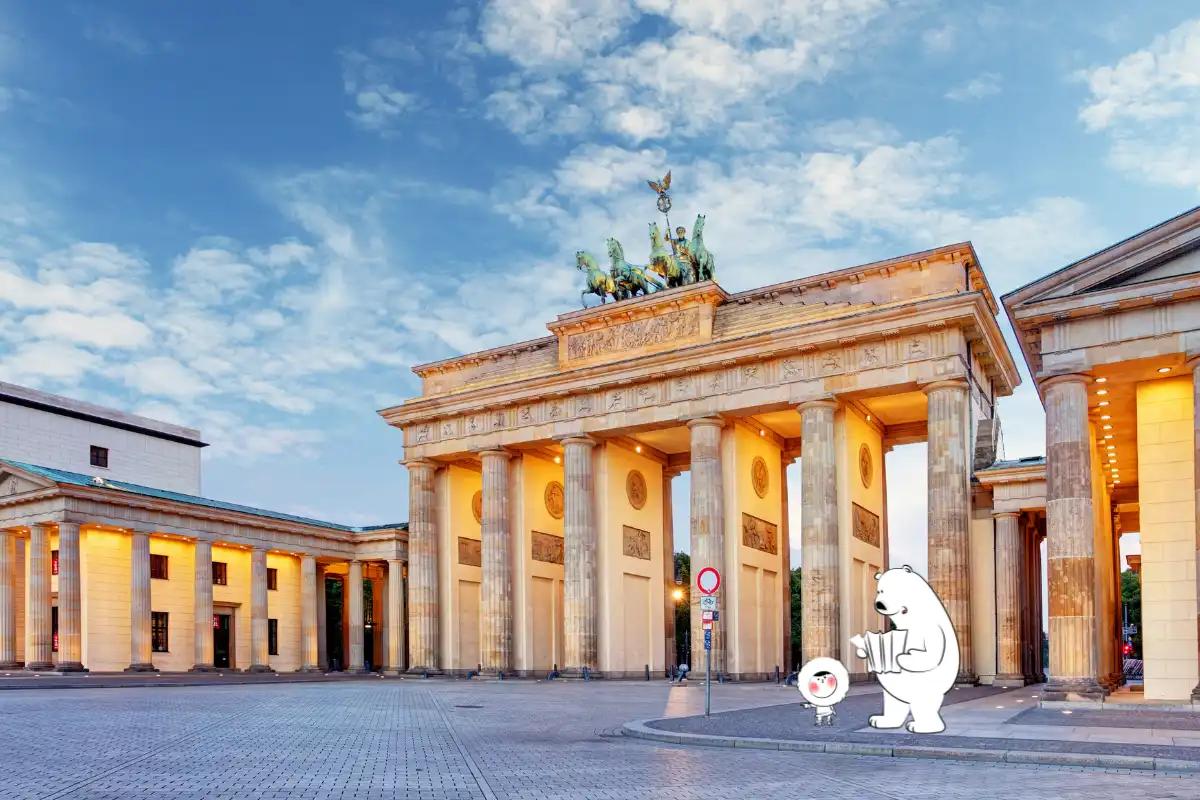
One of the biggest impacts of public holidays in Germany is on shopping and services. Almost all shops, including supermarkets, bakeries, and clothing stores, are closed on public holidays. This is a crucial point for anyone not used to it!
Plan your grocery shopping for the day before the holiday. Restaurants, cafes, and many tourist attractions usually remain open, but it’s always wise to check their specific opening hours in advance. Emergency services and public transport generally operate on a Sunday schedule, meaning reduced frequency but still available. Pharmacies will have emergency services available, but most will be closed.
Cultural Immersion: Embracing German Traditions
May is a fantastic month to experience German culture. Use the long weekends to explore local traditions and enjoy the spring weather. For Labour Day, consider visiting a local park to observe the relaxed atmosphere or look for political rallies if you’re interested in the social aspect. On Ascension Day, perhaps join a hiking group or simply enjoy a picnic outdoors, embracing the spirit of ‘Männertag’.
During Pentecost, many families spend time together, often outdoors. It’s a great opportunity to visit Germany’s beautiful nature parks, lakes, or historical sites, which will be open. Engage with locals, try regional foods, and soak in the festive, relaxed mood. These holidays aren’t just days off; they’re windows into German societal values and traditions.
Navigating Regional Differences: A State-by-State Look (Simplified for May)
As we mentioned, Germany’s federal system means holidays can vary. However, May 2026 is relatively consistent nationwide regarding official public holidays.
States with Core May Holidays
All 16 federal states of Germany will observe the following public holidays in May 2026:
- Friday, May 1st: Tag der Arbeit (Labour Day)
- Thursday, May 14th: Christi Himmelfahrt (Ascension Day)
- Monday, May 25th: Pfingstmontag (Whit Monday)
This means no matter where you are in Germany – from Bavaria to Berlin, Hamburg to Hesse – you can count on these three dates being official days off. This consistency makes May an easier month for planning compared to, say, Corpus Christi in June, which is only celebrated in predominantly Catholic states.
States with Additional May Observances (Local & Unofficial)
While no *additional* official public holidays are designated in May for specific states that would grant an extra day off, some regions might have local festivals, commemorations, or school holidays. For instance, some states might have specific ‘bridge days’ designated as school holidays to create longer breaks for families, even if they aren’t official public holidays for the general workforce. Always check the school calendar if you have children or are planning family-friendly activities, as popular attractions might be busier during these times.
Experiencing Germany’s May Holidays: An Expert’s Take
As someone who has lived and worked in Germany for over a decade, navigating these holiday cycles has become second nature. I vividly remember my first Labour Day, surprised by how truly quiet the city became – a stark contrast to the usual hustle. It taught me the importance of planning ahead for groceries, a lesson I still impart to new expats.
My favorite May holiday has to be Ascension Day, partly because of the ‘Männertag’ festivities. While I don’t participate in the beer-wagon brigades myself, seeing groups of friends and families out enjoying nature, often with laughter and music, is truly infectious. I’ve spent several Ascension Day long weekends exploring the Black Forest or the Mosel Valley, taking advantage of the beautiful spring weather and fewer crowds than during peak summer.
The consistency of May’s federal holidays makes it a less complex month for visitors and residents alike, but the sheer number of long weekends is a golden ticket. My advice? Embrace the opportunity to travel. Whether it’s a city break, a hiking trip, or visiting friends, these ‘Brückentage’ are your friends. I’ve used them to visit charming towns like Heidelberg, explore the castles of Saxony, and even hop over to nearby Prague or Amsterdam for a quick international escape. The freedom and flexibility these public holidays offer are genuinely one of the perks of life in Germany, making May a truly special month.
Comprehensive Table: Public Holidays in Germany – May 2026 at a Glance
Here’s a quick overview of the key public holidays in Germany for May 2026, summarizing their impact and significance.
| Date | Holiday Name (German) | Holiday Name (English) | Federal/Regional | Significance | Impact & What to Expect |
|---|---|---|---|---|---|
| Fri, May 1 | Tag der Arbeit | Labour Day | Federal (All States) | Commemorates workers’ rights and social justice. | All shops closed, public transport on Sunday schedule. May see political rallies or family outings. |
| Thu, May 14 | Christi Himmelfahrt | Ascension Day | Federal (All States) | Commemorates Jesus’ ascension. Also Father’s Day (Vatertag). | All shops closed, public transport on Sunday schedule. Popular day for outdoor activities, hikes, men’s groups. Ideal for a ‘Brückentag’. |
| Sun, May 24 | Pfingsten (Pfingstsonntag) | Pentecost (Whit Sunday) | Federal (All States) | Descent of the Holy Spirit. Religious observance. | Sunday rules apply, shops closed. Not an extra day off for workers, but part of the weekend. |
| Mon, May 25 | Pfingsten (Pfingstmontag) | Whit Monday | Federal (All States) | Continues Pentecost celebrations. | All shops closed, public transport on Sunday schedule. Another opportunity for a long weekend, family time. |
Frequently Asked Questions (FAQ) About Germany’s May Holidays
Are all public holidays in Germany observed nationwide?
No, not all public holidays are observed nationwide. While some are federal holidays across all 16 states, others are regional, meaning they are only celebrated in specific federal states. May 2026 is an easier month, as Labour Day, Ascension Day, and Whit Monday are all federal holidays.
Can I expect shops to be open on public holidays?
Generally, no. Almost all shops, including supermarkets, retail stores, and bakeries, will be closed on public holidays in Germany. It’s crucial to do your grocery shopping and any other errands on the day before the holiday. Some exceptions include shops in major train stations or airports, which might have limited opening hours.
How do public holidays affect public transport?
Public transport, including buses, trams, and trains, usually operates on a Sunday schedule on public holidays. This means fewer services and potentially longer waiting times, especially in the mornings and evenings. However, transport services will still be running. It’s always best to check the local transport authority’s website for specific schedules.
What are “Brückentage”?
“Brückentage” (bridge days) are workdays that fall between a public holiday and a weekend. Germans strategically take these days off as annual leave to create longer weekends (e.g., taking Friday off when a holiday falls on a Thursday, turning a three-day weekend into a four-day one). They are highly popular for maximizing time off.
Is May a good time to visit Germany?
Absolutely! May is one of the best times to visit Germany. The weather is generally mild and pleasant, spring blossoms are everywhere, and the country comes alive with outdoor activities and festivals. Plus, the numerous public holidays offer fantastic opportunities for extended trips and cultural immersion, making Public Holidays In Germany May 2026 Explained an essential resource for planning your visit.
Final Thoughts: Embrace the German Holiday Spirit!
Navigating the German holiday calendar, especially with its mix of federal and regional observances, can seem daunting at first. However, understanding the Public Holidays In Germany May 2026 Explained truly empowers you to make the most of your time here. May stands out as a month brimming with opportunities for long weekends, cultural experiences, and embracing the vibrant spring season.
Whether you’re planning an adventurous road trip, a relaxing city break, or simply want to understand the rhythm of life in Germany, these public holidays are an integral part of the experience. Plan your travel and errands wisely, be ready to embrace local traditions, and don’t forget to take advantage of those fantastic “Brückentage”! Germany in May 2026 promises a blend of history, celebration, and relaxation, just waiting to be explored.