Are you wondering when is Lent 2026 beginning? As the world speeds up, many of us, especially millennials, are seeking moments of pause, reflection, and deeper meaning. Lent offers just such an opportunity. This ancient Christian observance, a forty-day period of spiritual journey, preparation, and renewal, holds profound relevance even in our modern lives.

Source: https://elcamediaresources.blob.core.windows.net
Whether you’re a devout Christian, exploring your faith, or simply curious about traditional customs and their contemporary application, understanding Lent can enrich your perspective. This guide will pinpoint the exact date for Ash Wednesday 2026 and explore how this liturgical season can be a powerful catalyst for personal growth, mindful living, and purposeful action.
Understanding Lent: More Than Just Giving Things Up
Lent is a significant liturgical season observed by many Christian denominations worldwide. It’s a time of intense spiritual development, running for approximately forty days, excluding Sundays.
This period is traditionally dedicated to prayer, fasting, and almsgiving. It serves as a preparation for the celebration of Easter 2026, commemorating Jesus Christ’s sacrifice and resurrection. The term ‘Lent’ itself comes from the Old English word ‘Lencten,’ meaning ‘springtime,’ symbolizing new beginnings and renewal.
It’s not merely about abstinence but about cultivating a deeper relationship with oneself and the divine. The Christian observance encourages self-discipline and reflection. It invites individuals to examine their lives and make space for spiritual growth.
Pinpointing the Date: When Is Lent 2026 Beginning?
Let’s get straight to the crucial detail: when is Lent 2026 beginning? Lent in 2026 will commence on Ash Wednesday, February 18, 2026. This date marks the official start of the devotional period, leading up to Easter Sunday.
The date of Ash Wednesday is not fixed but is always determined by the date of Easter. Easter Sunday itself is a variable date, falling on the first Sunday after the first full moon following the spring equinox. Consequently, Ash Wednesday always occurs 46 days before Easter Sunday (40 fasting days plus the six Sundays, which are not considered fast days).
Understanding this calendar logic helps demystify the annual observance. For 2026, Easter Sunday falls on April 5th, which places Ash Wednesday firmly in mid-February.
The Significance of Ash Wednesday 2026
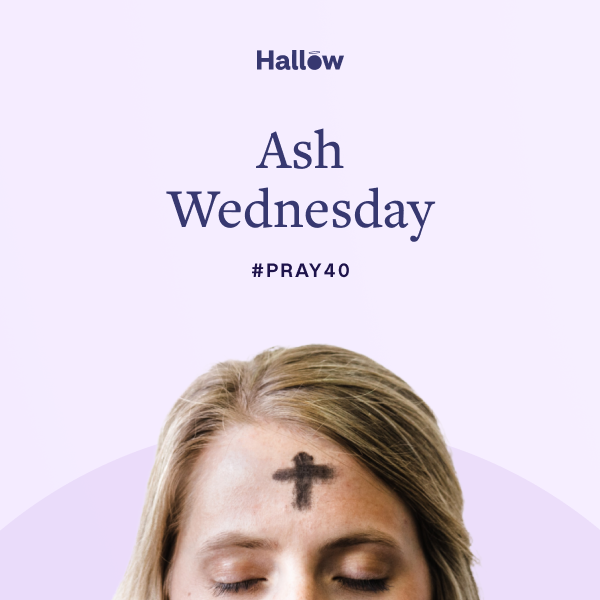
Ash Wednesday is a solemn day, marking the beginning of the Lenten journey. During church services, worshippers receive ashes on their foreheads in the sign of a cross. This act is a powerful symbol of repentance, mortality, and the call to spiritual renewal.
The ashes are often made from the burned palms of the previous year’s Palm Sunday. This tradition reminds us of our mortality and our need for God’s grace. It’s a poignant start to a reflective time.
Historical Roots and Enduring Relevance of Lent
The practice of Lent dates back to the early Christian Church. It emerged as a period of intense preparation for converts seeking baptism at Easter. Over centuries, it evolved into a communal discipline for all believers.
The historical context reveals a strong emphasis on penitence and purification. Early Christians fasted strictly for days, sometimes weeks, leading up to Easter. These ancient traditions formed the bedrock of the Lenten practices we observe today.
Even in the 21st century, Lent continues to be a meaningful observance for millions. It offers a structured time for reflection, self-examination, and deepening one’s faith journey. Its relevance isn’t just about religious doctrine; it taps into universal human desires for introspection and improvement.
Why Do Millennials Care About Lent in 2026?
For many millennials, Lent isn’t just a quaint religious custom; it’s an opportunity for profound personal engagement. Our generation often values authenticity, purpose, and wellness, all of which align perfectly with the spirit of Lent.
The focus on spiritual growth, self-discipline, and intentional living resonates deeply. In a world saturated with digital noise and constant stimulation, Lent provides a compelling reason for a digital detox.
It encourages a move towards mindful living and away from superficial consumption. Millennials are increasingly seeking ways to connect with their inner selves and contribute positively to the world. Lent, with its emphasis on prayer, sacrifice, and almsgiving, offers a structured path to achieve these goals.
Connecting Faith to Modern Values
Lent provides a framework to integrate spiritual practices with contemporary values. It’s about more than just ‘giving up chocolate.’ It can be about consciously giving up habits that hinder our well-being or prevent us from being present.
It’s about embracing a personal reflection that fosters genuine self-improvement. Many millennials find that Lenten resolutions translate into tangible benefits for their mental and spiritual health. This includes dedicating time to silence, meditation, or acts of kindness.
The Pillars of Lenten Practice: Fasting, Prayer, and Almsgiving
The Lenten season is traditionally characterized by three core practices:
Fasting and Abstinence: Redefining Sacrifice
-
Traditional Practice: Historically, fasting involved eating only one full meal a day, often without meat. Abstinence typically meant refraining from meat on specific days.
-
Modern Interpretation: For millennials, this might involve dietary changes like going vegan, giving up social media, or reducing screen time. It’s about choosing a personal sacrifice that creates space for something more meaningful. These Lenten practices foster self-control and gratitude.
-
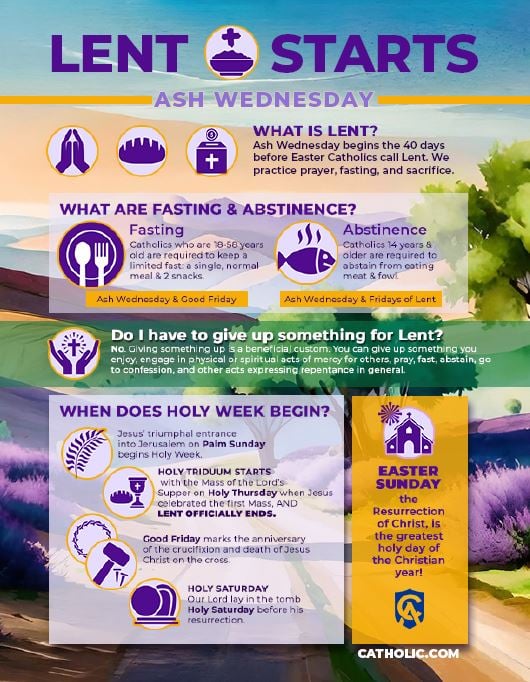
Guidelines: The Catholic Church typically designates Ash Wednesday and Good Friday as days of fasting and abstinence. All Fridays during Lent are days of abstinence from meat for those aged 14 and older. The emphasis is on spiritual discipline, not simply deprivation.

Prayer: Deepening Your Spiritual Connection
-
Increased Prayer: Lent is an ideal time to commit to a more intentional prayer life. This could mean dedicating a specific time each day for prayer or engaging in new forms of spiritual devotion.
-
Personal Reflection: Utilize this period for silent contemplation, journaling, or reading sacred texts. The goal is to deepen faith and foster a closer connection with the divine. It’s a true devotional period.
-
Communal Prayer: Participate in church services, Stations of the Cross, or community prayer groups. This enhances the shared spiritual journey and offers support.
Almsgiving: Extending Compassion and Justice
-
Charitable Giving: This involves donating time, talent, or treasure to those in need. It’s an act of solidarity and love for one’s neighbor. Many organizations offer opportunities for community involvement during Lent.
-
Social Justice: For millennials, almsgiving often extends to advocating for social justice issues. This could mean volunteering, supporting ethical brands, or raising awareness about systemic inequalities. It connects personal spirituality with broader societal impact.
-
Ethical Consumption: Consider how your purchasing habits align with your values. Choose to support businesses that prioritize sustainability and fair labor practices. This is a powerful form of modern almsgiving.
Crafting Your Lenten Journey: Modern Approaches for Millennials
Lent in 2026 can be profoundly transformative when approached with intentionality and creativity. Here are some millennial-focused strategies:
Digital Detox for the Soul
Challenge yourself to reduce reliance on screens. This could mean no social media on specific days, setting screen time limits, or designating tech-free zones in your home. The goal is to free up mental space for contemplation and real-world connection. This supports personal reflection and mindful living.
Mindful Consumption & Ethical Choices
Beyond traditional fasting, consider a Lenten commitment to mindful consumption. Support local businesses, reduce waste, or consciously choose products from ethical and sustainable sources. This aligns with a desire for purposeful living and environmental stewardship.
Creative Acts of Service
Think beyond monetary donations. Offer your skills, time, or expertise to a cause you care about. Mentor someone, visit an elderly neighbor, or organize a community clean-up. These acts of service are powerful forms of modern almsgiving and foster genuine community involvement.
Journaling and Self-Reflection
Dedicate time each day or week to journaling. Document your thoughts, feelings, and spiritual insights. This practice aids in spiritual development, helps process emotions, and clarifies your intentions for the season. It’s a powerful tool for personal growth.
Engaging with Spiritual Disciplines
Explore different spiritual disciplines beyond what you typically practice. This could include Lectio Divina (divine reading), centering prayer, or practicing gratitude daily. These enrich your devotional period and broaden your spiritual horizons.
Key Dates in the 2026 Lenten and Easter Calendar
To help you plan your spiritual journey, here’s a quick overview of the essential dates for Lent and Easter in 2026. Knowing these specific dates allows for better planning and participation in the various phases of this sacred time.
Lent 2026 and Paschal Triduum Dates
| Event | Date (2026) | Significance |
|---|---|---|
| Ash Wednesday | February 18 | Beginning of Lent, day of fasting and abstinence, receiving ashes. |
| First Sunday of Lent | February 22 | First of the six Sundays in Lent, marks the start of Christ’s temptation. |
| Palm Sunday | March 29 | Commences Holy Week, commemorates Jesus’ triumphant entry into Jerusalem. |
| Holy Thursday (Maundy Thursday) | April 2 | Commemorates the Last Supper, institution of the Eucharist and priesthood. |
| Good Friday | April 3 | Commemorates the crucifixion of Jesus, day of fasting and abstinence. |
| Holy Saturday | April 4 | Vigil day before Easter, preparation for the resurrection. |
| Easter Sunday | April 5 | Celebration of Jesus’ resurrection, end of Lent and the Paschal Triduum. |
These dates are critical for understanding the flow of the Lenten season and the culmination of the spiritual journey into Easter. The Paschal Triduum, comprising Holy Thursday, Good Friday, and Holy Saturday, is the most sacred part of the liturgical year, leading directly to the joy of Easter.
Navigating Lent with Personal Authenticity
It’s important to approach Lent with personal authenticity rather than rigid legalism. Your Lenten practices should be meaningful to you and contribute to your spiritual well-being. What one person gives up or takes on might be different for another.
Focus on the spirit of the season: repentance, reflection, and renewal. If you falter, extend grace to yourself and simply recommit. Lent is a journey, not a test of perfection. It’s about drawing closer to a purposeful existence.
Embrace the challenge of the forty days as an opportunity. Allow it to foster genuine self-improvement and a deeper connection to your faith or spiritual path. This personal reflection is what truly matters.
Beyond Easter: Carrying Lenten Lessons Forward
The beauty of Lent is not just in the forty days themselves but in the lasting impact they can have. The disciplines and reflections practiced during Lent can lead to enduring positive changes. Consider how you can integrate new habits of prayer, generosity, or mindfulness into your everyday life beyond Easter.
The spiritual renewal fostered during this time can sustain you throughout the entire year. Let the lessons learned about self-discipline, compassion, and gratitude continue to shape your choices. This transforms the liturgical season into a lifelong practice of intentional living.
Frequently Asked Questions About Lent 2026
Q1: When exactly is Ash Wednesday 2026?
A1: Ash Wednesday 2026 falls on February 18, 2026. This date marks the beginning of the Lenten season.
Q2: How long does Lent last in 2026?
A2: Lent lasts for forty days, starting on Ash Wednesday (February 18, 2026) and concluding before the evening Mass of the Lord’s Supper on Holy Thursday (April 2, 2026). Sundays are not included in the forty-day count of fasting.
Q3: What are the main observances during Lent?
A3: The three traditional pillars of Lenten observance are fasting, prayer, and almsgiving. These practices encourage spiritual growth, self-discipline, and compassion.
Q4: Why do people receive ashes on Ash Wednesday?
A4: Receiving ashes symbolizes penitence, mortality, and the call to spiritual renewal. It’s a reminder of human frailty and the need for God’s mercy and grace.
Q5: Can millennials participate in Lent if they aren’t strictly religious?
A5: Absolutely! While Lent is a Christian observance, its core principles of self-reflection, personal growth, mindful living, and acts of service resonate with many secular individuals. Many choose to undertake a digital detox or commit to a personal challenge during this time.
Q6: Are there specific food rules for Lent?
A6: For Catholics, Ash Wednesday and Good Friday are days of fasting (one full meal, two smaller meals, no eating in between) and abstinence from meat. All Fridays during Lent are days of abstinence from meat for those aged 14 and older. Other denominations may have different or more flexible guidelines.
Final Conclusion: Embracing the Journey of Lent 2026
As we anticipate when is Lent 2026 beginning on February 18, 2026, consider this an invitation. It’s an invitation to pause, to reflect, and to engage in a transformative spiritual journey. Whether you embrace traditional Lenten practices or create new ones that align with your millennial values, the goal remains the same: to foster personal growth, deepen your spiritual connection, and cultivate a more compassionate and purposeful life.
May your Lent 2026 be a period of profound renewal and meaningful discovery, leading you to a deeper understanding of yourself and your place in the world. This annual observance is more relevant than ever for those seeking authentic connection and mindful living.