Hey fellow plant enthusiasts! March 2026 is knocking, and for many of us, it& ;s the month where our gardening dreams truly start to sprout. This isn& ;t just about getting dirt under your fingernails; it& ;s about thoughtful planning, sustainable practices, and creating a vibrant, productive space that fuels your soul. Whether you& ;re a seasoned green thumb or just dipping your toes into the world of growing, this comprehensive guide on March 2026 Gardening Tasks By Zone will set you up for success.
We& ;ll dive deep into specific actions tailored to your USDA Plant Hardiness Zone, ensuring you& ;re working with nature, not against it. From mastering seed starting indoors to perfecting your soil prep, we& ;ve got you covered. Get ready to cultivate a garden that thrives and makes you proud!
Why March is Crucial for Your 2026 Garden Success
March marks the true beginning of the spring gardening season for most regions. It& ;s a pivotal time where the groundwork laid now directly impacts your later harvests and floral displays. This isn& ;t just about getting planting done; it& ;s about strategic preparation.
Temperatures begin to rise, days lengthen, and the soil slowly awakens. This period is essential for setting a strong foundation for your entire growing season. Ignoring key tasks in March can lead to missed opportunities and a less productive garden down the line.
Think of March as your garden& ;s launchpad. It& ;s when you transition from dreaming to doing, from planning on paper to hands-on action. By understanding the specific needs of your zone, you can maximize your efforts and achieve a truly exceptional garden.
Understanding Your USDA Plant Hardiness Zone (Again, But Better!)
Before we jump into tasks, let& ;s quickly revisit USDA zones. These zones are geographical areas defined by average annual extreme minimum temperatures. Knowing your zone is absolutely crucial because it dictates which plants will most likely survive the winter in your region.
For March 2026, your zone also informs your last average frost date, guiding when it’s safe to start plants outdoors. Don’t worry, it’s not complicated! A quick online search for ‘USDA Plant Hardiness Zone map’ combined with your zip code will pinpoint your exact zone.
This zonal approach ensures that your gardening tasks are perfectly aligned with your local climate. It helps you avoid disappointment and makes your efforts more efficient and effective.
General March 2026 Gardening Tasks for Every Zone
While specific activities vary by zone, there are universal March 2026 gardening tasks that apply to almost everyone. These are the foundational steps that ensure a smooth transition into the main growing season.
Tool Check & Maintenance: Sharpen Your Arsenal
After a winter slumber, your garden tools might be a bit neglected. March is the perfect time to inspect, clean, and sharpen them. Sharp tools make clean cuts, reducing stress on plants and making your work much easier.
Clean off any rust, oil moving parts, and sharpen pruners, shovels, and hoes. This simple act of preparation will save you time and frustration later. Proper tool maintenance also extends their lifespan, a sustainable practice we can all appreciate.
Garden Planning & Layout: Vision Board Your Green Space
If you haven& ;t already, finalize your garden plan for 2026. This includes deciding what to plant, where, and how much space you& ;ll need. Consider factors like sun exposure, water access, and crop rotation.

Many millennial gardeners leverage digital tools and apps for this. They allow for easy mapping and tracking of plants and resources. A well-thought-out layout prevents overcrowding and helps maximize your garden’s yield, whether you’re growing herbs, vegetables, or flowers.
Soil Health & Amendments: Feed Your Foundation
Healthy soil is the bedrock of a successful garden. As the soil thaws, it’s an excellent time to conduct a soil test if you haven’t recently. This reveals nutrient deficiencies and pH imbalances, guiding your amendment strategy.
Begin incorporating generous amounts of compost and other organic matter into your garden beds. This improves soil structure, drainage, and nutrient retention. Focusing on improving soil health now pays dividends throughout the season, fostering stronger, healthier plants.
Seed Starting Indoors: Get a Head Start
For many crops, especially those with long growing seasons, March is prime time for seed starting indoors. Tomatoes, peppers, and various annual flowers benefit greatly from an early start. This allows them to develop robust root systems before being transplanted outdoors.
Ensure you have proper lighting (grow lights are key!) and good quality seed-starting mix. Labeling is essential to keep track of your tiny green charges. This method significantly extends your growing season and gives you access to a wider variety of plants.
& ;
| USDA Zone | Average Last Frost | Recommended March Activity | Popular March Plantings |
|---|---|---|---|
| 3-4 | Late May – Early June | Intensive Indoor Seed Starting, Garden Planning | Early Brassicas (indoors) |
| 5-6 | Late April – Mid May | Indoor Seed Starting, Outdoor Soil Prep | Peas, Spinach, Radishes (outdoors late March) |
| 7-8 | Late March – Mid April | Direct Sowing Cool-Season, Transplanting Hardy Veggies | Lettuce, Kale, Carrots, Onions |
| 9-10 | Early March – No Frost | Direct Sowing Warm-Season, Extensive Transplanting | Beans, Corn, Squash, Tomatoes |
March 2026 Gardening Tasks By Zone: Your Detailed Checklist
Now, let’s get specific! Here& ;s a breakdown of March 2026 Gardening Tasks By Zone, tailored to give your garden the best possible start.
Zone 3-4: The Frost Fighters (Late Winter / Early Spring)
Gardeners in these colder zones are still largely focused on indoor activities and careful planning. Outdoor work is minimal, primarily involving observation and light cleanup.
-
Intensive Seed Starting Indoors: This is your prime time to start long-season vegetables like tomatoes, peppers, and eggplants, as well as many annual flowers. Use proper grow lights to prevent leggy seedlings.
-
Plan & Order Seeds: Double-check your garden plan and order any remaining seeds or starter plants. Consider companion planting strategies now. Utilize digital tools to manage your inventory.
-
Prune Dormant Trees/Shrubs: If you haven& ;t already, prune dormant fruit trees and shrubs. Remove any dead, diseased, or crossing branches. Ensure you use sharp, clean tools.
-
Check Perennials: Lightly check your perennial beds for signs of winter damage. Avoid walking on frozen or soggy soil to prevent compaction. Keep mulching materials nearby.
-
Clean Garden Beds: Once the snow melts and the ground is workable, remove any lingering debris or old plant material. This prepares beds for future planting and helps with pest prevention.
| Task Category | Specific Action | Why It Matters | Key Plants/Notes |
|---|---|---|---|
| Indoor Prep | Start seeds for tomatoes, peppers, most annuals. | Maximizes growing season due to short summers. | Tomatoes, Peppers, Eggplants, Petunias, Marigolds |
| Planning | Finalize garden layout and seed orders. | Ensures efficient use of space and resources. | Consider succession planting for early crops. |
| Maintenance | Prune dormant trees and shrubs. | Promotes plant health and structure. | Fruit trees, ornamental shrubs. |
| Soil Health | Review soil test results; plan amendments. | Prepares soil for spring planting. | Add compost if ground is thawed. |
Zone 5-6: The Awakening (Early Spring)
For Zones 5-6, March brings more outdoor activity, though frost risk remains. It& ;s a balance of indoor nurturing and outdoor preparation.
-
Continue Indoor Seed Starting: Keep starting seeds for warm-season crops. You might also start certain cool-season crops like broccoli or cabbage indoors to get a jump on the season.
-
Outdoor Soil Prep: Once the soil is workable (not too wet!), begin to amend your garden beds with compost and other organic matter. This is crucial for healthy root development.
-
Plant Cool-Season Vegetables: Towards the end of March, you can safely direct sow hardy cool-season vegetables like peas, spinach, lettuce, radishes, and carrots. Check your specific last frost dates.
-
Divide Perennials: Spring-blooming perennials that have become overcrowded can be divided and replanted. This rejuvenates the plants and gives you more to share.
-
Clean Up & Prune: Clear away winter debris from garden beds. Prune dormant roses and other deciduous shrubs before new growth begins. Remove any weak or damaged branches.
-
Fertilize Early Season: Apply a balanced, slow-release granular fertilizer to established perennial beds and shrubs. Choose organic options for sustainable growth.
| Task Category | Specific Action | Why It Matters | Key Plants/Notes |
|---|---|---|---|
| Indoor Prep | Continue warm-season seed starting. | Ensures strong transplants for later. | Tomatoes, Peppers, Cabbage, Broccoli. |
| Outdoor Prep | Amend garden soil with compost. | Improves soil structure and fertility. | Focus on vegetable beds and new plantings. |
| Direct Sowing | Plant hardy cool-season vegetables outdoors. | Takes advantage of early spring moisture. | Peas, Spinach, Lettuce, Radishes, Carrots. |
| Perennial Care | Divide overcrowded perennials. | Promotes vigor and multiplies plants. | Hostas, Daylilies. |
Zone 7-8: Spring Has Sprung! (Mid-Spring)
Gardeners in Zones 7-8 often experience a much earlier spring. March is a very busy month with extensive outdoor planting and maintenance.
-
Direct Sow & Transplant Warm-Season Veggies: Many warm-season vegetables like beans, corn, and summer squash can be direct-sown. Start transplanting hardy seedlings like broccoli, cabbage, and certain herbs outdoors.
-
Plant Potatoes & Onions: Plant seed potatoes and onion sets early in the month. These crops thrive in cooler spring conditions and need time to develop.
-
Prune Roses & Hydrangeas: Prune roses back hard to encourage vigorous new growth and abundant blooms. Prune summer-flowering hydrangeas, but avoid pruning spring bloomers until after they flower.
-
Fertilize Lawns & Gardens: Apply a slow-release fertilizer to your lawn and established garden beds. Consider a soil test first to ensure you& ;re providing what your plants truly need.
-
Begin Pest Management: As plants emerge, keep an eye out for early signs of pests. Implement eco-friendly and integrated pest management strategies from the start. A healthy ecosystem helps deter pests naturally.
-
Plant New Trees & Shrubs: March is an ideal time to plant new deciduous trees and shrubs. The cooler temperatures and ample moisture help them establish strong root systems before summer heat.
-
Prepare Trellises & Supports: Install trellises and other supports for climbing plants like peas, beans, and cucumbers. It’s easier to do this before plants get too large.
| Task Category | Specific Action | Why It Matters | Key Plants/Notes |
|---|---|---|---|
| Vegetable Planting | Direct sow warm-season crops; transplant cool-season. | Maximizes harvests with longer growing season. | Beans, Corn, Squash, Broccoli, Cabbage. |
| Specialty Crops | Plant potatoes, onion sets. | Essential early spring crops. | Potatoes, Onions. |
| Pruning | Hard prune roses; prune summer-flowering hydrangeas. | Encourages vigorous new growth and blooms. | Roses, Smooth Hydrangeas. |
| Lawn/Garden Fertilizing | Apply slow-release fertilizer. | Supports overall plant health and growth. | Lawns, Perennial beds. |
| Pest/Disease Control | Monitor for early pests; preventative measures. | Crucial for maintaining plant health. | Neem oil, insecticidal soap for early infestations. |
| New Plantings | Plant new trees and shrubs. | Allows for good root establishment. | Deciduous trees, shrubs. |
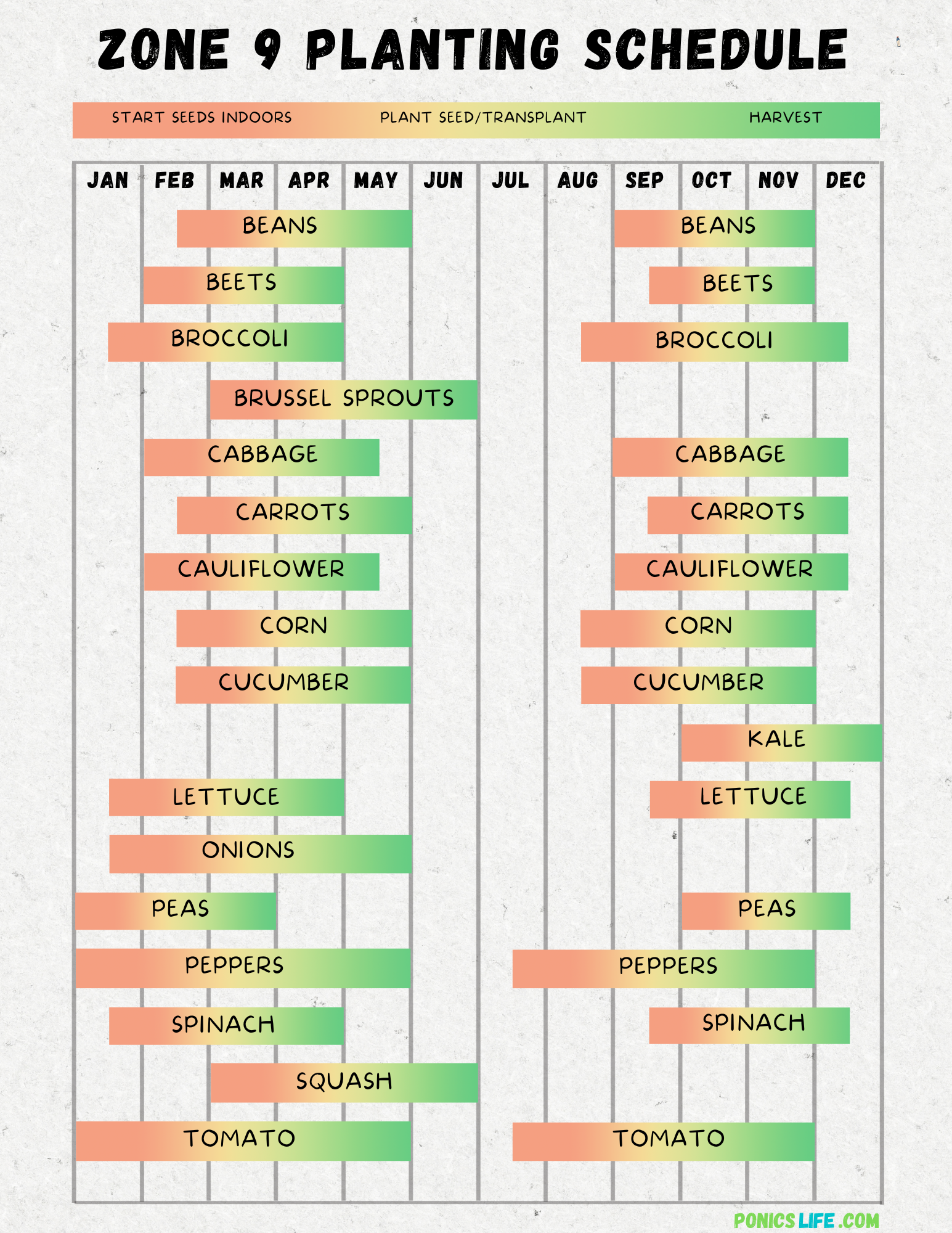
Zone 9-10: Almost Summer! (Late Spring / Early Summer Prep)
Gardeners in these warmest zones are often transitioning from cool-season crops to warm-season ones. March is bustling with activity, almost feeling like summer is around the corner.
-
Extensive Warm-Season Planting: Direct sow almost all warm-season vegetables and flowers, including tomatoes, peppers, eggplants, beans, cucumbers, and squash. Transplant any remaining seedlings.
-
Harvest Cool-Season Crops: Continue harvesting cool-season crops like lettuce, spinach, and kale before the heat causes them to bolt. Consider succession planting where possible.
-
Watering Systems Check: Ensure your watering systems are in top shape. As temperatures rise, consistent watering becomes critical, especially for new plantings. Consider drip irrigation for efficiency.
-
Mulch Heavily: Apply a thick layer of mulch to all garden beds. This helps retain soil moisture, regulate soil temperature, and suppress weeds. It’s a key sustainable practice.
-
Pest & Disease Prevention: Be vigilant! Warm weather brings out pests. Regularly inspect plants and address any issues promptly with eco-friendly solutions. Good air circulation also helps prevent disease.
-
Fertilize & Side-Dress: Actively growing plants will benefit from regular feeding. Side-dress with compost or use a balanced liquid fertilizer as directed. Pay attention to specific plant needs.
-
Prepare for Heat: Start thinking about shade cloth or other protective measures for heat-sensitive plants as summer approaches. Ensure good airflow.

| Task Category | Specific Action | Why It Matters | Key Plants/Notes |
|---|---|---|---|
| Extensive Planting | Direct sow and transplant most warm-season crops. | Maximizes yield in a long growing season. | Tomatoes, Peppers, Beans, Cucumbers, Squash. |
| Harvesting | Continue harvesting cool-season crops. | Clear beds for warm-season plantings. | Lettuce, Spinach, Kale. |
| Water Management | Check and optimize irrigation systems. | Essential for plant survival in rising temps. | Drip irrigation, soaker hoses. |
| Mulching | Apply thick layers of mulch. | Conserves moisture, suppresses weeds. | Straw, wood chips, shredded leaves. |
| Pest Control | Vigilant monitoring and early intervention. | Crucial for preventing widespread infestations. | Organic sprays, beneficial insects. |
| Fertilizing | Regular feeding of actively growing plants. | Supports vigorous growth and high yield. | Liquid feed, compost tea. |
Beyond the Basics: Modern Gardening for Millennials
Gardening today is more than just planting; it’s a lifestyle. For millennials, it often intertwines with sustainability, technology, and personal well-being. Let& ;s explore how to make your March 2026 gardening even smarter and more rewarding.
Embrace Sustainable Practices: Grow Green, Live Green
Sustainable gardening is at the heart of modern growing. This means focusing on practices that minimize environmental impact while maximizing productivity. In March, this includes starting with healthy soil, choosing native plants, and minimizing chemical use.
Composting kitchen scraps and garden waste reduces landfill burden and creates nutrient-rich soil amendments. Implementing water conservation techniques, like drip irrigation and rain barrels, is also critical. These choices not only help the planet but often lead to healthier, more resilient gardens.
Urban & Small-Space Gardening: Making Every Inch Count
Living in urban environments or smaller homes doesn& ;t mean you can& ;t have a thriving garden. March is perfect for planning your urban gardening solutions. Think vertically with wall planters or trellises to grow up instead of out.
Raised beds and containers are fantastic for small patios, balconies, or even just tight corners of a yard. They offer better control over soil quality and drainage. Explore concepts like vertical gardens or patio gardening to maximize your limited space and enjoy fresh produce or beautiful blooms.
Integrating Tech for Smarter Growing: Your Garden’s Digital Twin
From smart irrigation controllers to plant sensor apps, technology can significantly enhance your gardening experience. In March 2026, consider how smart tech can streamline your tasks.
Apps can help you track planting dates, harvest times, and even identify pests. Automated watering systems ensure your plants get exactly what they need, even when you’re busy. These digital tools can make gardening more efficient and less daunting, especially for beginners.
Mindful Gardening & Well-being: Digging for Inner Peace
Beyond the harvest, gardening offers immense benefits for mental health. It& ;s a chance to disconnect from screens and reconnect with nature. Engaging in mindful gardening & ; paying attention to the soil, the sprouts, the sounds & ; can be incredibly therapeutic.
March, with its promise of new life, is an ideal time to cultivate this connection. The act of nurturing plants, watching them grow, and eventually enjoying their bounty provides a profound sense of accomplishment and peace. It’s about creating a personal sanctuary, whether it’s a sprawling backyard or a small balcony haven.
FAQ: Your March Gardening Questions Answered
Q1: What if my last frost date is in April or May? Should I still start seeds in March?
A: Absolutely! Many vegetables, like tomatoes and peppers, need 6-8 weeks indoors before transplanting. Starting them in March gives them a crucial head start. Always consult seed packets for specific timing relative to your last frost date. Even in colder zones, you can plan ahead.
Q2: My soil is still frozen or very wet in early March. What should I do?
A: Patience is key! Working with frozen or waterlogged soil can damage its structure. Focus on indoor tasks like seed starting and tool maintenance. Wait until the soil thaws and drains sufficiently before attempting any significant outdoor soil prep. The & ;squeeze test& ; & ; if a squeezed handful of soil crumbles easily, it& ;s ready.
Q3: Can I plant anything outdoors in Zone 5 in early March?
A: Generally, only very hardy cool-season crops like peas, spinach, radishes, and lettuce can be direct-sown in late March in Zone 5, depending on specific weather conditions. Always watch local forecasts and cover new plantings if a hard frost is predicted. Many gardeners opt for cold frames or low tunnels to extend the season.
Q4: How do I know what to fertilize and when?
A: A soil test is your best guide! Otherwise, a general rule for March is to apply a balanced, slow-release fertilizer to established perennials and shrubs as they begin new growth. Actively growing vegetables will need more frequent feeding. Always follow product instructions. Focusing on organic soil amendments like compost often reduces the need for synthetic fertilizers.
Q5: What are some beginner-friendly plants to start in March?
A: For indoor seed starting, try basil, cosmos, marigolds, or easy-to-grow vegetables like bell peppers. For outdoor direct sowing in warmer zones, radishes, lettuce, and bush beans are excellent choices. They are generally forgiving and offer quick rewards, boosting confidence for new growers.
Final Conclusion: Your Thriving March 2026 Garden Awaits!
March 2026 is a month of immense potential and critical action for every gardener. By understanding your specific USDA zone and diligently tackling these gardening tasks, you& ;re not just tending plants & ; you& ;re cultivating a vibrant, productive, and sustainable outdoor space.
Remember, whether you& ;re planning your dream layout, enriching your soil with compost, or nurturing tiny seedlings indoors, every action contributes to your ultimate success. Embrace the journey, learn from your experiences, and enjoy the profound satisfaction of growing your own. Your best garden yet begins now, with these essential March 2026 Gardening Tasks By Zone!