Are you feeling that subtle shift in the air, a yearning for brighter days and fresh starts? As millennials, we’re constantly looking for ways to optimize our lives, and understanding the seasons is a big part of that.
Get ready, because the official March 2026 Meteorological Spring Start Date is just around the corner, bringing with it a wave of renewal and vibrant energy.
Unlike the arbitrary dates we sometimes associate with spring, meteorological spring follows a consistent, data-driven schedule.
This fixed approach makes it easier for climate scientists and weather watchers to track trends and predict what’s ahead for our environment.
So, let’s dive deep into what this seasonal shift truly means, not just for the weather, but for your lifestyle, mental well-being, and spring planning.
Demystifying Meteorological Spring: What’s the Real Deal?
When someone mentions ‘spring,’ your mind might conjure images of the vernal equinox, which usually falls around March 20th.
However, meteorologists and climate scientists operate on a different, more consistent calendar.
This distinction is crucial for understanding weather patterns and conducting accurate historical analysis.
Meteorological vs. Astronomical Spring: The Key Differences
Let’s break down the two main ways we define spring.
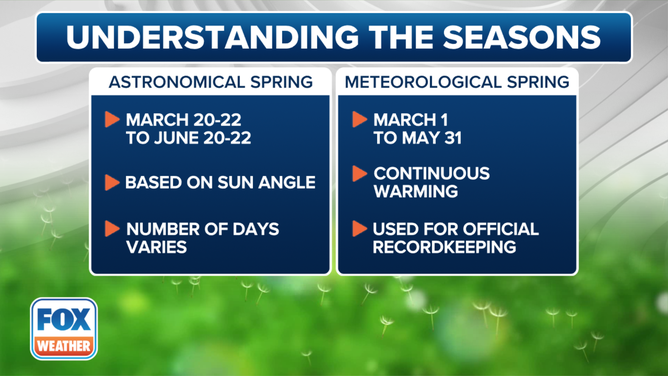
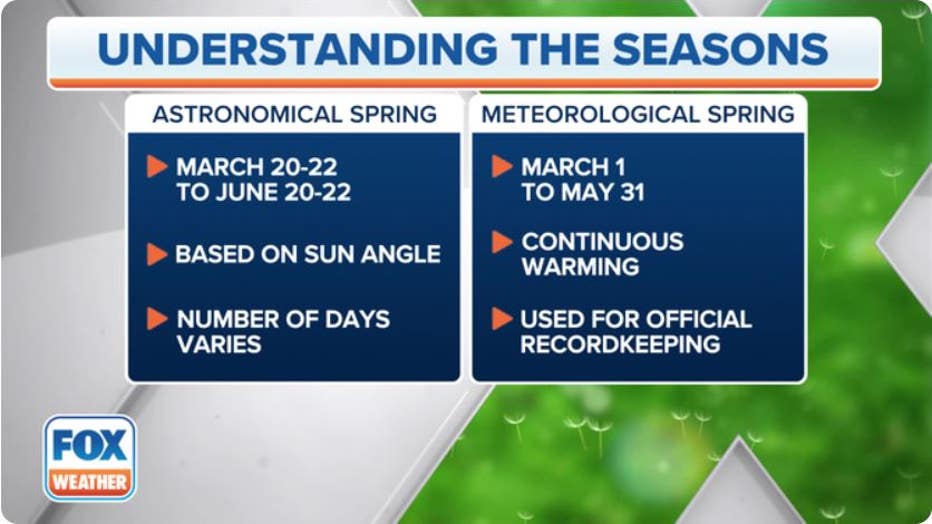
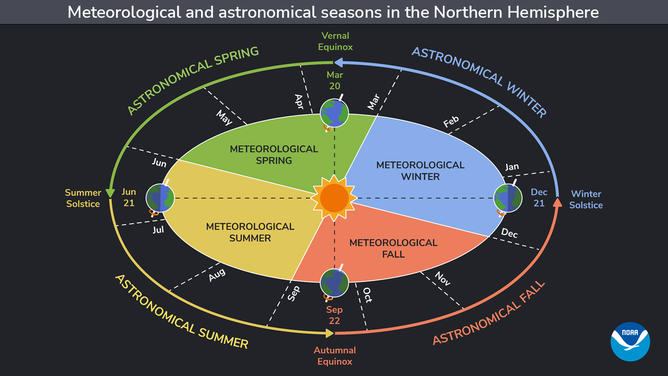
Astronomical spring is what most of us learned in school; it’s based on the Earth’s tilt relative to the sun and the equinoxes and solstices.
It marks the point when the Northern Hemisphere begins to receive more direct sunlight, leading to longer days.
Conversely, meteorological spring is a division of the year into three-month periods that align with the annual temperature cycle.
This system divides the year into four seasons, each lasting exactly three months, making data comparison much simpler.
It’s all about consistency for climate science and weather forecasting.
Why March 1st is the Magic Date for Meteorological Spring
For meteorologists, consistency is key when collecting and analyzing climate data.
By defining seasons as fixed three-month blocks, they can easily compare temperatures and precipitation levels from one year to the next.
This systematic approach helps in understanding seasonal variations and long-term climate cycles.
Therefore, March 1st officially kicks off meteorological spring, running through May 31st.
This fixed start date allows for standardized record-keeping, essential for agencies like NOAA and the National Weather Service (NWS).
The Official Word: March 2026 Meteorological Spring Start Date Confirmed!
No surprises here, folks!
The March 2026 Meteorological Spring Start Date is confirmed for March 1st, 2026.
This consistent date is fundamental to how meteorological organizations like NOAA and the NWS track and report seasonal weather.
It’s important for understanding the predictable shifts in our atmosphere.
This fixed timing allows climate scientists to compare conditions across different years without the variability of astronomical dates.
Such consistency is vital for long-term studies on global warming and other environmental changes.
What Does Meteorological Spring Actually Mean for Us?
Beyond the scientific definitions, meteorological spring profoundly impacts our daily lives and overall mood.
It’s more than just a date on a calendar; it’s a tangible shift that affects everything from our wardrobes to our mental state.
Embracing this seasonal shift can lead to a more vibrant and productive time.
Beyond the Calendar: The Practical Impacts of the Seasonal Shift
As the March 2026 Meteorological Spring Start Date arrives, we anticipate significant changes.

We’re talking about mild temperatures finally making a comeback, replacing the chill of winter.
Expect longer days filled with more sunlight, which can do wonders for our energy levels and mood.
Nature awakens with blooming flowers, greening landscapes, and the return of local wildlife, offering a truly refreshing spectacle.
This is the perfect season for outdoor activities like hiking, cycling, or just enjoying a coffee on a sunny patio.
Millennial Life Hacks for Embracing the New Season
For us millennials, spring is a call to action!
It’s an ideal time for gardening, even if it’s just a few herbs on your apartment balcony.
Consider planning a spring getaway or a weekend trip to explore new places and take advantage of the pleasant weather, maybe even some light travel.
The increased daylight can also help combat seasonal affective disorder (SAD), encouraging us to spend more time outdoors.
Think about a thorough spring cleaning, not just for your space, but for your digital life and mindset, embracing the sense of renewal.
Dive Deeper: The Climate Science Behind the Seasonal Shift
Understanding the science behind meteorological spring can deepen our appreciation for this annual transition.
It’s not just random; there are powerful forces and measurable changes at play.
This knowledge empowers us to be more informed citizens and advocates for our planet.
Understanding Weather Patterns and Climate Data
Climate scientists rely on vast amounts of historical data to track and understand weather patterns.
They look at average temperatures, precipitation levels, and other metrics over decades to identify trends.
These analyses help us predict general seasonal behavior, although local conditions always vary.
The impact of global warming on traditional seasonal variations is a significant area of current research.
Understanding these shifts is critical for sectors like agriculture and environmental changes.
How Forecasting Helps Us Plan Ahead for Spring 2026
Advanced weather forecasting models and satellite imagery provide valuable insights into what to expect for Spring 2026.
While long-range forecasts are less precise, they can offer general trends regarding temperature and rainfall.
This information is invaluable for seasonal planning, whether you’re a farmer, an event organizer, or just planning your weekend.
Being able to anticipate warmer spells or potential rain helps us prepare for the season effectively.
Spring 2026: What to Anticipate (Based on Trends and Data)
While specific day-to-day weather remains unpredictable, we can make informed assumptions about Spring 2026 based on historical climate data and general meteorological trends.
The overarching theme is a gradual transition from winter’s chill to the invigorating warmth of summer.
This period offers a unique blend of changing conditions.
| Key Meteorological Spring Characteristic | Typical March 1 – May 31 Impact | Millennial Relevance & Opportunities |
|---|---|---|
| Temperature Trends | Gradual warming across most regions; potential for late-season cold snaps in early March. | “Finally, mild temperatures for outdoor dining!” Time to refresh your wardrobe from heavy coats to lighter layers. |
| Daylight Hours | Significantly increasing length of days, especially after Daylight Saving Time begins. | “More time for outdoor activities after work!” Boosts mood and energy, ideal for evening walks or patio hangouts. |
| Precipitation Levels | Varied; often wetter than winter in many areas, essential for growing season. | “Don’t forget your umbrella, but also, green grass!” Great for gardening and enjoying lush landscapes. |
| Flora & Fauna | Trees budding, blooming flowers, migratory birds returning. | “Hello, fresh starts and nature pics for the gram!” Perfect for nature walks and enjoying the renewal of life. |
| Atmospheric Pressure & Weather Fronts | More dynamic weather patterns as warm and cold air masses collide. | “Be ready for anything, weather-wise!” Essential for knowing how to dress and planning your day. |
Regional Forecasts and What to Monitor
It’s crucial to remember that general trends can vary significantly by region.
A meteorological spring in the Pacific Northwest will look very different from one in the desert Southwest or the Northeast.
Always check your local National Weather Service (NWS) or NOAA updates for the most accurate and specific forecasts for your area.
These local resources will provide detailed information on everything from average temperatures to potential severe weather.
Monitoring these updates will help you plan your days and weeks more effectively.
Your Spring 2026 Checklist: Making the Most of the March 2026 Meteorological Spring Start Date
As the March 2026 Meteorological Spring Start Date approaches, it’s time to shift gears and embrace the energy of the new season.
This is your ultimate checklist to ensure you’re fully prepared to seize all the opportunities spring has to offer.
From practical preparations to mental well-being, we’ve got you covered for a truly vibrant spring.
Essential Preparations for a Vibrant Spring
-
Outdoor Gear Check: Dust off your hiking boots, tune up your bike, and ensure your picnic blanket is ready for those spontaneous park visits. This prepares you for ample outdoor activities.
-
Garden Planning: Even if you don’t have a sprawling yard, consider starting a small herb garden or potting some vibrant flowers for your window sill. It’s a fantastic way to engage with the growing season.
-
Wardrobe Refresh: Pack away the heavy winter coats and bring out lighter jackets, sweaters, and spring-appropriate attire. Think layers, as spring weather can be unpredictable.
-
Home Refresh: Open windows, let in fresh air, and engage in a thorough spring clean. This physical act of tidying can translate into a mental fresh start.
-
Vehicle Maintenance: Ensure your car is ready for warmer weather; check tires, fluids, and AC system if you haven’t already. This is part of responsible seasonal planning.
Mental & Physical Wellness in the New Season
-
Embrace Daylight: Spend more time outdoors, especially during peak daylight hours. The increased sunlight is a natural mood booster and helps regulate your sleep cycle.
-
Mindfulness & Nature: Take mindful walks, observe the blooming flowers, and listen to the birds. Connecting with nature can significantly reduce stress and enhance well-being.
-
Nutrition & Hydration: Incorporate more fresh, seasonal produce into your diet. Stay well-hydrated, especially as you become more active outdoors.
-
Set New Goals: Use the energy of renewal to set new personal or professional goals. Spring is a powerful time for growth and starting fresh initiatives.
-
Social Connections: Plan meetups with friends for outdoor activities or patio visits. Reconnecting with your social circle in brighter settings can be incredibly uplifting.
FAQs about Meteorological Spring and March 2026
Q1: Is meteorological spring the same every year?
A1: Yes, absolutely! This is one of its key advantages. Meteorological spring always runs from March 1st to May 31st, providing a consistent three-month period for data collection and analysis by meteorological organizations.
Q2: Why is March 1st chosen for meteorological spring?
A2: It’s primarily chosen for consistency and ease of statistical analysis. Dividing the year into fixed three-month blocks (March-May, June-August, September-November, December-February) simplifies the comparison of weather patterns and climate data across different years, which is vital for climate scientists.
Q3: How does global warming affect spring?
A3: Global warming can lead to earlier springs, warmer average temperatures, and more extreme weather patterns. This can impact ecosystems, agriculture, and the timing of natural events like blooming and animal migrations, highlighting the importance of studying environmental changes.
Q4: What’s the difference between weather and climate?
A4: Weather refers to the atmospheric conditions over a short period, like today’s temperature or tomorrow’s rain. Climate, however, is the average of weather patterns over a long period (typically 30 years or more), giving us a broader picture of seasonal variations and long-term trends.
Q5: Can I still get snow in meteorological spring?

A5: Absolutely! Especially in early March and in more northern latitudes, snowfall is still very common. Meteorological spring is just a calendar definition for data; the actual weather can still be quite wintery or highly variable, showcasing dynamic weather fronts.
Final Conclusion: Embrace the Fresh Start of March 2026!
As we’ve explored, the March 2026 Meteorological Spring Start Date isn’t just a date; it’s a doorway to a period of renewal, warmth, and increased outdoor living.
Understanding this scientific approach to seasons helps us better appreciate and plan for the shifts in our environment.
From longer, brighter days to the vibrant return of nature, spring offers a perfect opportunity to hit the reset button.
So, get ready to shed the winter blues, embrace the mild temperatures, and make the most of the incredibly refreshing seasonal shift that March 2026 brings.
Let’s make this spring our most vibrant and productive yet!