Ever paused while flipping your calendar and thought, Is 2027 A Leap Year? It’s the kind of question that flares up whenever February approaches and the debate about that elusive extra day in the calendar heats up. Let’s be honest, most people don’t really think twice about leap years unless it messes with their birthday plans or tax deadlines. So, what’s the verdict for 2027? Spoiler: it’s not a leap year. But why?
Quick Facts About Leap Years 🚀
- Leap years add February 29 to calendars.
- They keep our calendar aligned with Earth’s orbit.
- Every 4 years is the general rule but with exceptions.
- Centurial years must be divisible by 400 to be leap years.
Why Do Leap Years Exist?
First off, the Earth doesn’t orbit the Sun in a neat 365-day loop; it actually takes about 365.2425 days. That fractional day throws off our calendar if left uncorrected. Leap years fix this by adding an extra day every four years so that our dates don’t drift over seasons. Imagine running a pizza shop on 4th Street — your summer specials wouldn’t be summery at all if the calendar slipped half a day every year!

Source: www.calendarlover.com
The Rules That Decide Leap Years
Leap years follow a famously specific formula — it’s not random. According to the Gregorian calendar, the rules are:
- The year must be divisible by 4.
- If it’s a century year (like 1900), it must be divisible by 400 as well.
- If it fails either of the above, it’s not a leap year.
These rules finely balance calendar dates with the Earth’s revolutions. So, how does 2027 stack up?
Applying The Rules: Is 2027 A Leap Year?
2027 divided by 4 equals 506.75, which is not a whole number. Therefore, the basic criterion for leap year status fails here. Because 2027 is neither divisible by 4, nor a centurial year requiring the more stringent check, it doesn’t qualify. It’s just a regular year, or as we call it, a common year.
What Does This Mean for Your Calendar?
No February 29 in 2027 means the year will have a standard 365 days. For anyone with a leap day birthday, it’s back to celebrating on February 28 or March 1. For planners and software developers, it’s straightforward: no need to adjust for that extra day.
Did You Know? 📌
Leap years also impact everything from school schedules to astronomy calculations — because the planet keeps marching at its own pace!
The Story of Leap Year History
The leap year system hails from Julius Caesar’s time (hence the Julian calendar origin), later refined by Pope Gregory XIII — making the Gregorian calendar the go-to worldwide standard today. This tweak finally stopped the months from wandering through the seasons — crucial for farming and religious events.

Source: templacity.com
Common Leap Year Misconceptions
- Not every year divisible by 4 is a leap year (e.g., 1900 wasn’t).
- Leap years always occur every 4 years, but century exceptions break this.
- Leap seconds are separate from leap years, adjusted differently.
The Consequences of Skipping Leap Year in 2027
Since 2027 isn’t a leap year, no quirky calendar tweaks needed for businesses, schools, or event planners. But here’s the catch: every non-leap year sneaks a minor drift of seasons if ignored long-term. That’s why astronomers and governments keep a vigilant eye on this calendar system and tweak where necessary.
💡 Pro Tip
Want to double-check any year’s leap status? Use an online calculator like those on Time and Date that handle all the rules for you in a snap.
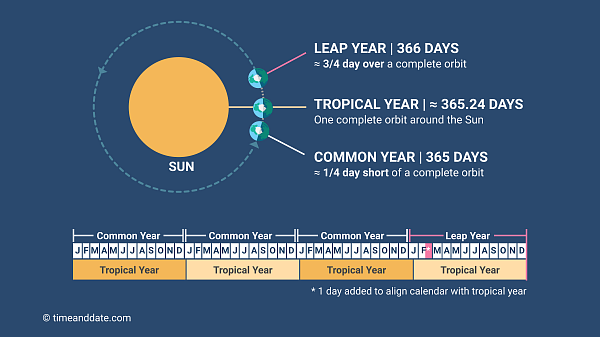
Source: www.timeanddate.com
How To Identify Leap Years Without a Calculator
Simple trick: take the year, divide by 4 — if it’s a whole number, next check if it’s century year. If it is, then it must be divisible by 400. If all checks pass, presto! Leap year. If not, welcome to the ‘common year’ club.
2027 and Calendar Planning: What to Expect
People planning vacations, birthdays, or work schedules won’t have to factor in an extra day. This simplicity ups efficiency in scheduling apps and software, streamlining everything from event reminders to billing cycles.
Examining Leap Year Exception Cases
Take 2000 for example — a century year but divisible by 400, thus a leap year. But 2100 won’t be. These quirks preserve calendar accuracy across centuries, avoiding seasonal chaos.
Leap Year Fun Facts
- Leap day babies, or ‘leaplings,’ tend to celebrate on alternate days.
- Leap seconds, unlike leap days, keep atomic clocks in sync with Earth’s rotation.
- Some cultures used different leap-year systems before global consensus on Gregorian calendar.

Source: www.asucla.ucla.edu
Wrapping It Up: 2027’s Leap Year Status
Despite the curiosity, Is 2027 A Leap Year? The answer is a clear no. It won’t have February 29. That means a regular 365-day cycle, keeping us neatly in sync with the Gregorian system reigning supreme globally. For more intricate details on leap year rules and the extra day’s history, check the comprehensive details at Wikipedia on Leap Years. And if you love geeky calendar facts, the Los Angeles Public Library’s leap year tidbits are a fun ride.
Expert Insight
Calendrical calculations may seem trivial but mastering leap years means mastering time itself — critical for fields from astronomy to agriculture.
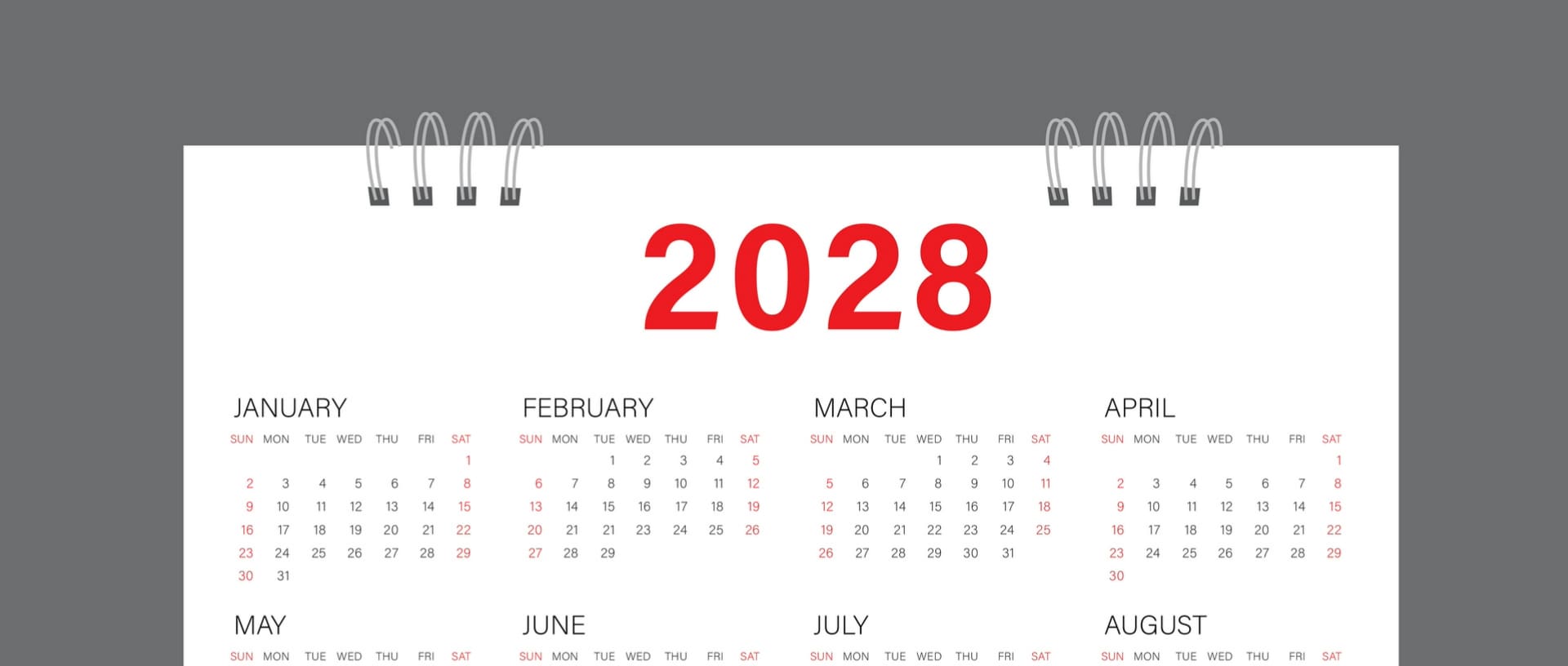
Source: www.casio.com
So next time someone asks, “Is 2027 A Leap Year?” you’ll confidently say, nope, just a steady 365-day journey ahead. Keep those calendars ready and mark your important dates—leap years come, but not in 2027!
Frequently Asked Questions
What exactly is a leap year?
A leap year is a year with an extra day added to the month of February (February 29) to keep our calendar synchronized with Earth’s orbit around the Sun, which takes approximately 365.2425 days.
Why is 2027 not a leap year?
Because 2027 is not divisible by 4, it doesn’t meet the fundamental criterion to be a leap year. It’s a common year with 365 days.
How often do leap years occur?
Generally, leap years happen every 4 years. However, century years must be divisible by 400 to qualify, which means some century years like 1900 are not leap years, but 2000 was.
What happens to birthdays for people born on February 29 in a non-leap year?
People born on leap day usually celebrate their birthdays either on February 28 or March 1 during common (non-leap) years.
Are leap seconds the same as leap days?
No, leap seconds are added occasionally to Coordinated Universal Time (UTC) to adjust for Earth’s slowing rotation, while leap days are added every four years to correct the calendar year.
Where can I verify if a specific year is a leap year?
You can use trusted online resources such as the Time and Date leap year calculator or consult authoritative encyclopedic sources like Wikipedia on Leap Years.
Does every country follow the Gregorian calendar and its leap year rules?
While most countries use the Gregorian calendar and follow its leap year rules, some cultures or religions might use different calendars with their own systems for intercalation.